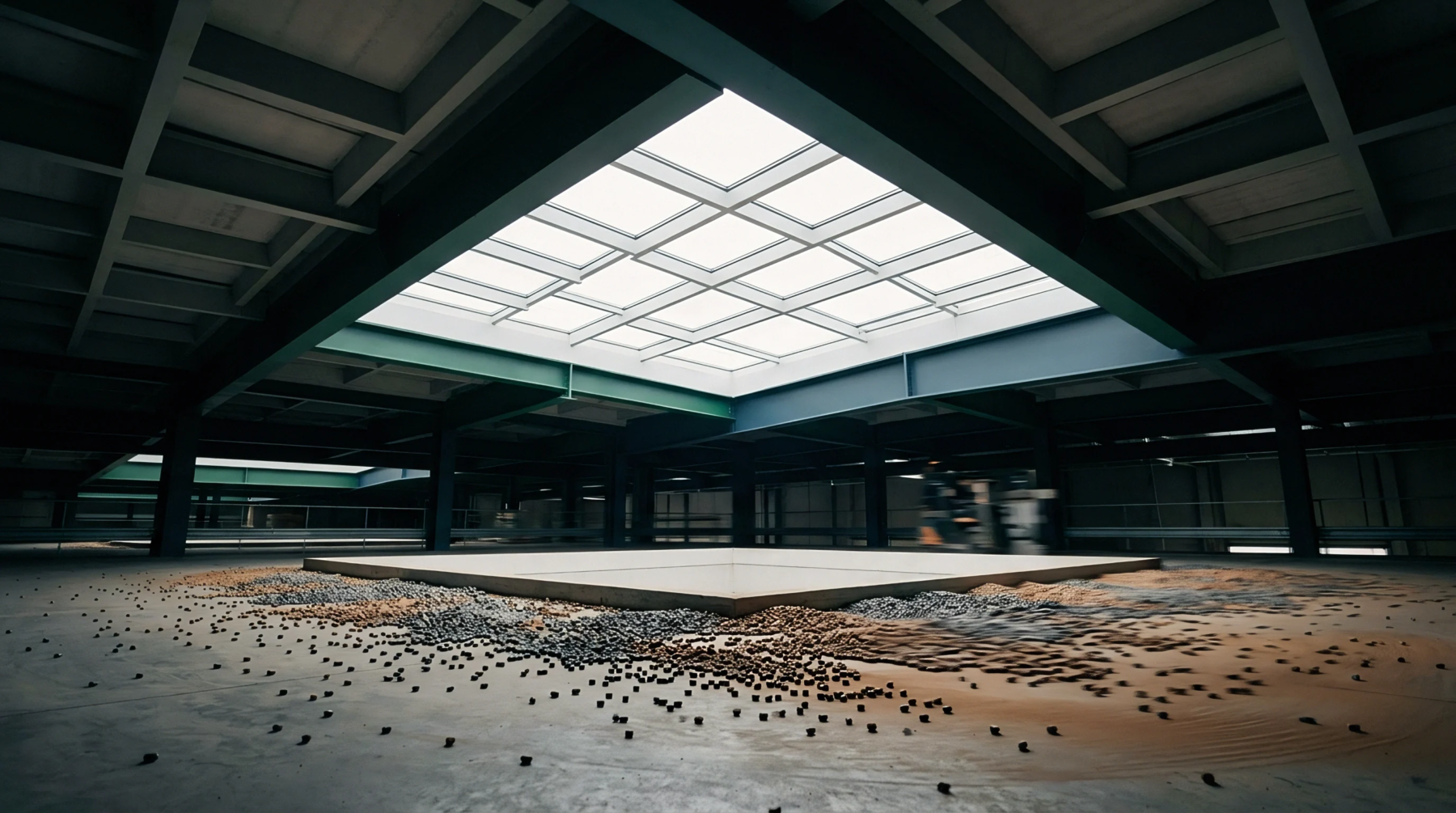
Physical Consolidation
Industrial logistics relies on consolidation centers where incoming freight from disparate origins meets outgoing transport bound for shared destinations. Hub operations govern this physical sorting process, directing material flows through transshipment terminals to minimize transit times. Regional distribution managers track throughput volumes daily, measuring cargo velocity against terminal capacity to prevent dock congestion.
Handling equipment moves pallets across sorting bays on strict schedules, transferring goods between linehaul vehicles and local delivery fleets. Equipment availability dictates processing speeds, while labor shortages force temporary rerouting of heavy freight.
Terminal Scheduling
Intermodal scheduling coordinates truck arrivals with rail departures, keeping dwell times under tight limits. Facility supervisors adjust shift rosters when inbound volume surges, deploying extra sorting crews to clear backlogs before morning dispatches. Automated sorting systems scan barcode labels at high speeds, routing packages down designated chutes according to postal codes and weight classes.
Maintenance teams service conveyor belts during overnight lulls, preventing mechanical failures that halt entire facilities.
Network Balancing
Regional managers evaluate facility performance weekly, comparing actual handling costs against projected operational budgets. Freight volumes fluctuate seasonally, requiring dynamic workforce adjustments across urban consolidation centers. Cost per handled ton rises when incoming cargo arrives out of sequence, forcing supervisors to reallocate dock space dynamically.
Interline agreements dictate how carriers share terminal expenses, ensuring equitable cost distribution among participating transport companies. Regional distribution networks maintain service continuity through redundant transshipment points, absorbing localized labor strikes without halting nationwide freight flows.