Manufactured Inputs
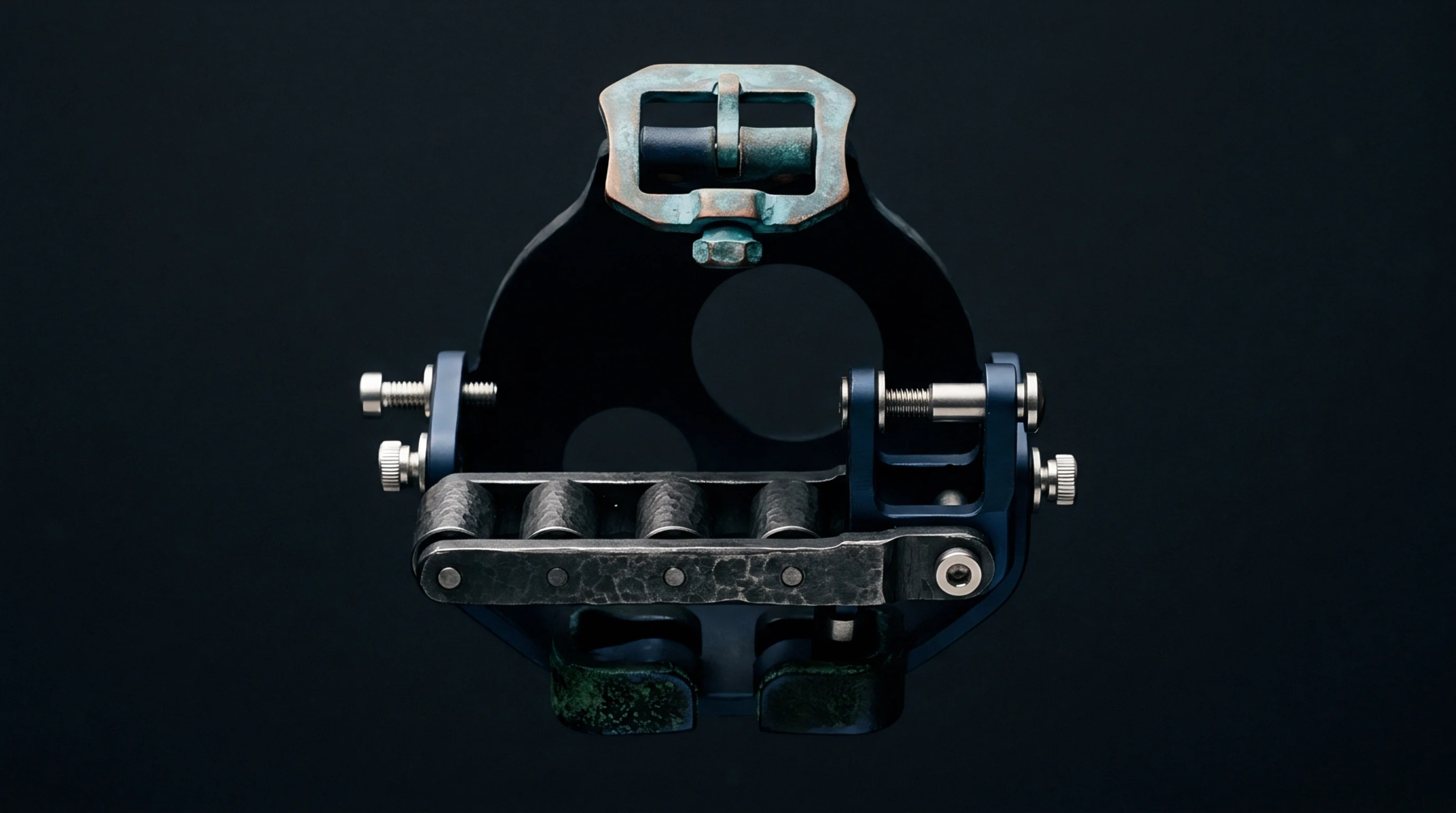
Prefabricated mechanical, electrical, and hydraulic sub-assemblies constitute the functional building blocks used in the construction of larger capital equipment and consumer goods. Industrial manufacturers integrate industrial components such as precision bearings, fluid valves, circuit boards, pump housings, and drive gears into finished industrial machinery. Quality assurance programs inspect these intermediate parts against precise dimensional tolerances, material hardness grades, and fatigue performance standards before allowing installation on assembly lines.
The category spans raw forged or moulded hardware up to complex mechatronic modules, terminating when sub-assemblies merge into a self-contained, fully functional machine.
Engineering Verification
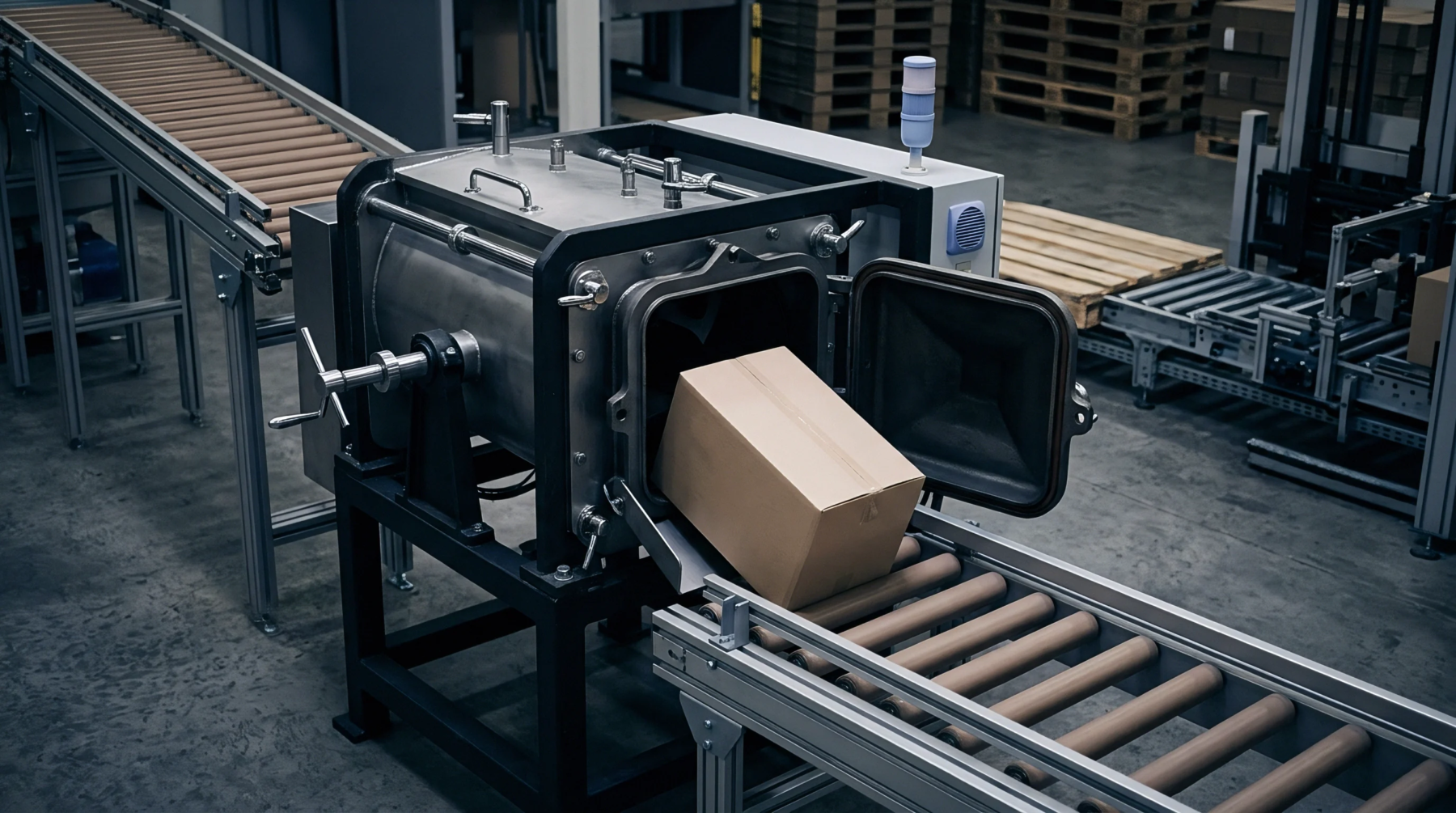
Receiving departments inspect incoming shipments using coordinate measuring machines, optical comparators, and surface roughness testers to verify technical drawings. Metallurgical laboratories conduct tensile testing and spectral composition analyses to confirm that alloy compositions match certified mill test reports. Dimensional drift or metal impurity can cause early machinery breakdown, making rigorous receiving inspection mandatory for critical applications.
Industrial components must also carry traceable heat numbers or serial markings to enable pinpoint defect containment throughout the manufacturing lifecycle.
Procurement Execution
Original equipment manufacturers manage tiered supplier networks to ensure uninterrupted deliveries of high-precision inputs under just-in-time logistics contracts. Single-source supply contracts create operational risks if an overseas casting facility or semiconductor packaging plant experiences downtime. Procurement agreements stipulate strict warranty terms and penalise supplier lead-time defaults to maintain master assembly plant schedules.
Standardised interface dimensions allow manufacturers to dual-source interchangeable parts across alternative geographic regions.