Component Availability
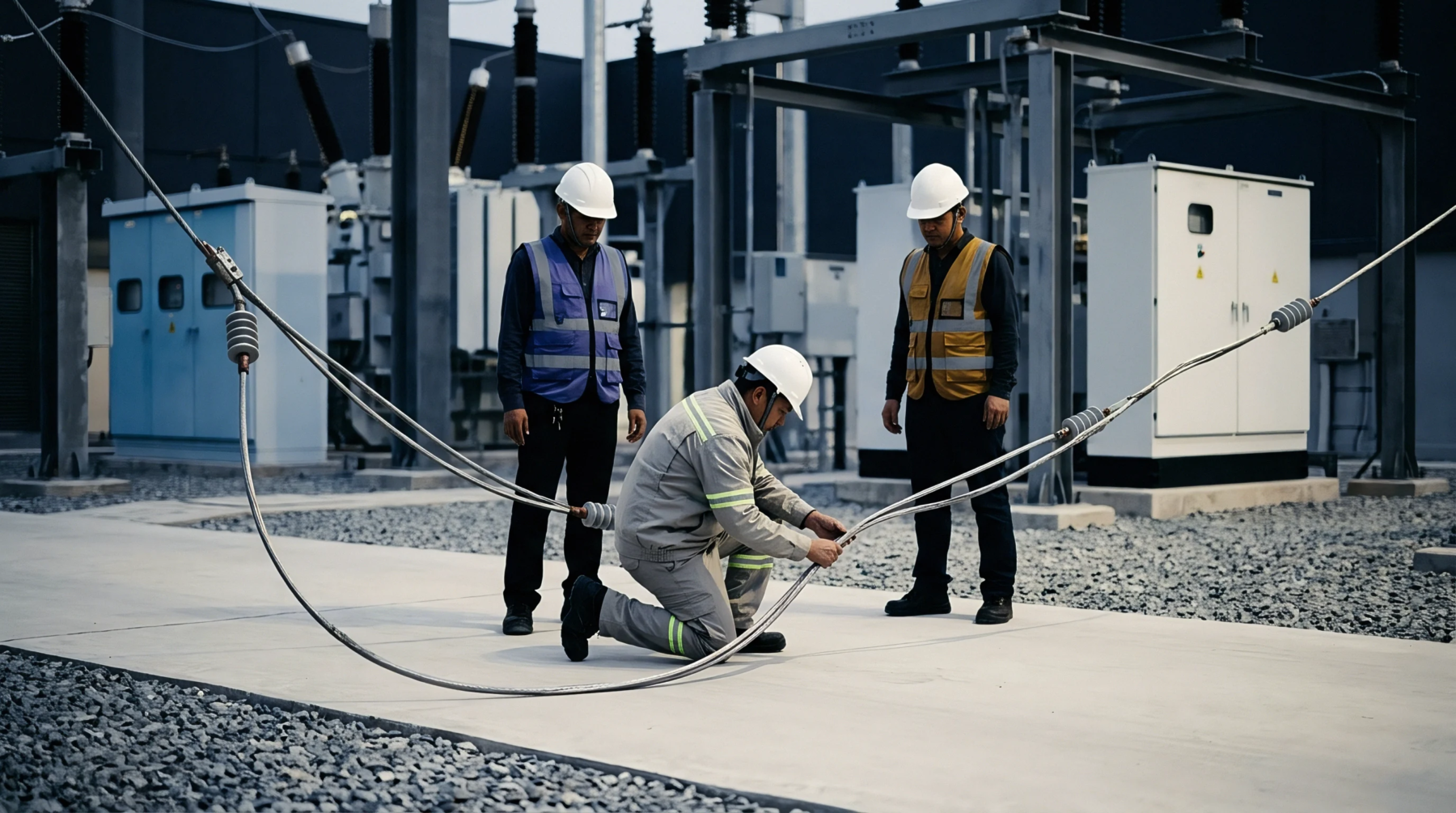
Circuit hardware and connectivity gear constitute the inventory categories that power manufacturing facilities. Industrial electrical supply encompasses items ranging from high voltage transformers to simple modular terminal blocks. These products require precise specification to ensure compatibility with existing power distribution architectures.
Maintenance teams source these materials to prevent downtime during equipment failures.
Logistics Flow
Global distributors maintain regional warehouses to reduce the wait time for critical replacement parts. Industrial electrical supply procurement relies on tiered vendor networks that balance immediate stock levels against long term project requirements. Lead times for specialized switchgear or custom conductors often dictate the schedule for site expansions.
Procurement managers evaluate these vendors based on their ability to deliver consistent quality across multiple sites. Reliable logistics performance ensures that production lines remain operational without significant interruptions.
Market Valuation
Economic indicators track the demand for these hardware groups as a proxy for broad manufacturing activity. Prices for industrial electrical supply fluctuate based on the cost of raw materials like copper and specialty resins used in insulation. Analysts observe that volume changes in orders correlate with capital expenditure cycles in the heavy industry sector.
A sustained rise in the purchase of these components points to expansion in automated production capacity. Demand cycles for these power components reflect the underlying health of factory infrastructure investment.