Supply Activity
Procurement processes that identify and evaluate suppliers for raw materials and technical components ensure the steady flow of inputs into a production line. Systematic industrial sourcing allows a firm to secure the parts necessary for manufacturing at a predictable cost. A team assesses the capacity of potential vendors to meet specifications and delivery timelines.
Reliability is prioritized over the lowest price to prevent interruptions in the assembly process.
Quality Governance
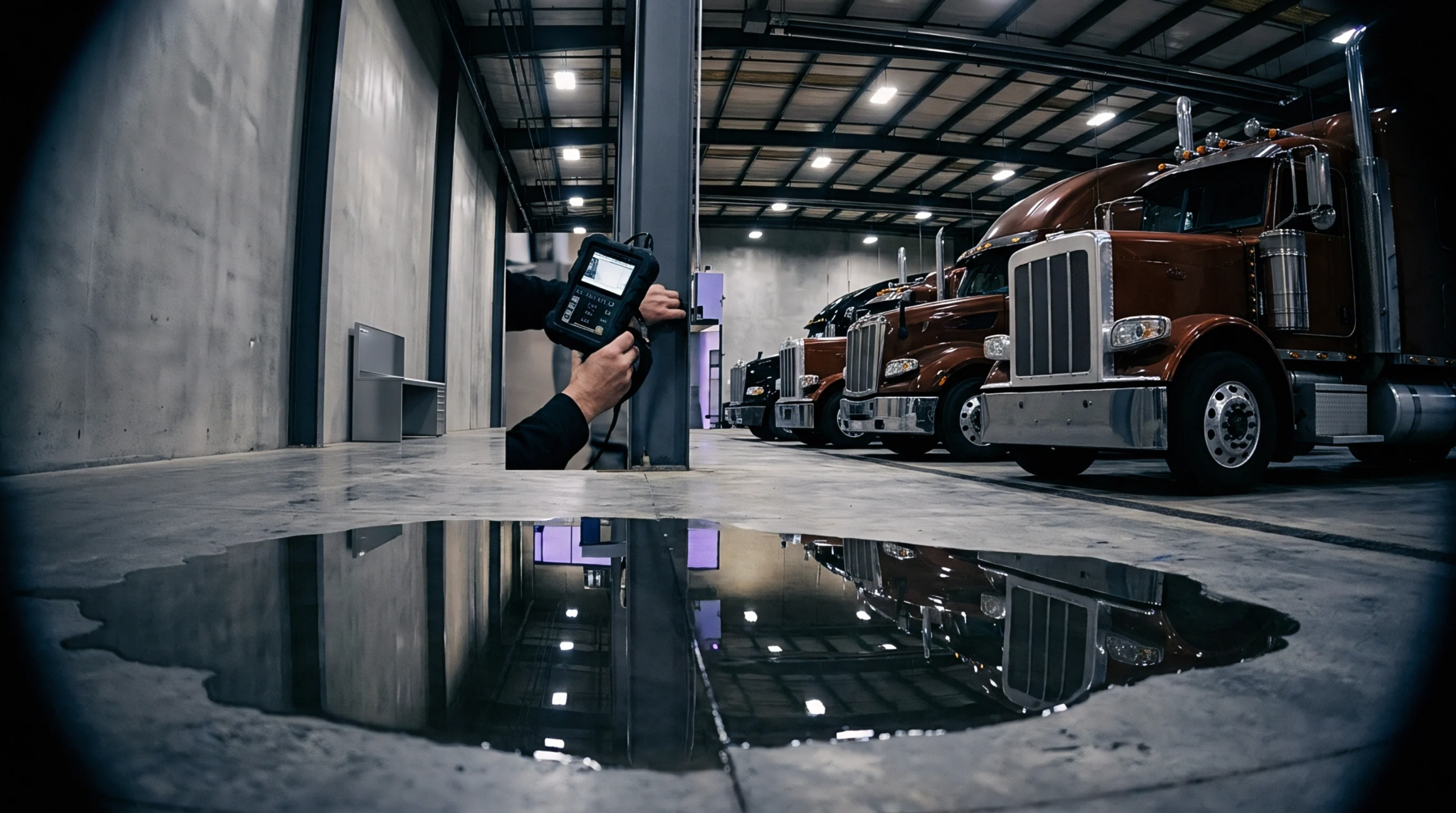
Verification protocols maintain the integrity of the purchased goods. In industrial sourcing, the audit of a supplier’s facility checks for compliance with safety and manufacturing standards. Regular inspections confirm that the materials meet the chemical or physical properties required for the final product.
Documentation tracks the origin of every component to provide visibility into the lower tiers of the chain.
Strategic Boundary
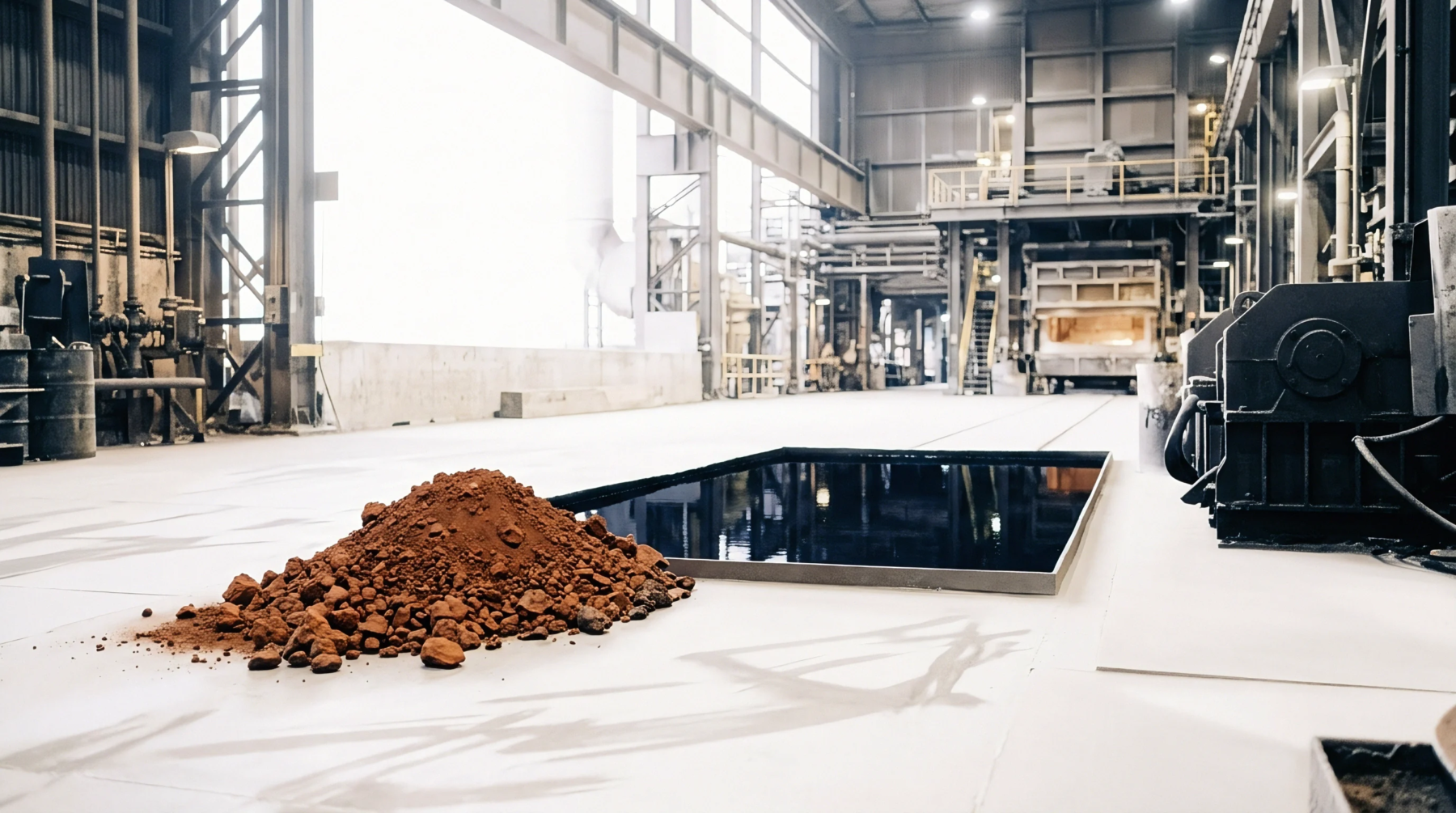
Strategic boundaries restrict the pool of available vendors. While industrial sourcing aims for broad market coverage, it is often limited by the geographic location of specialized expertise or rare minerals. Dependency on a single source creates a point of failure that must be managed through diversification.
Fluctuations in trade policy or logistics costs can make a previously viable supplier unreachable or too expensive for the current budget. Contracts typically include clauses for volume adjustments and price protection against raw material volatility. The relationship ends when a provider fails to maintain the necessary certification or misses a series of critical delivery milestones.