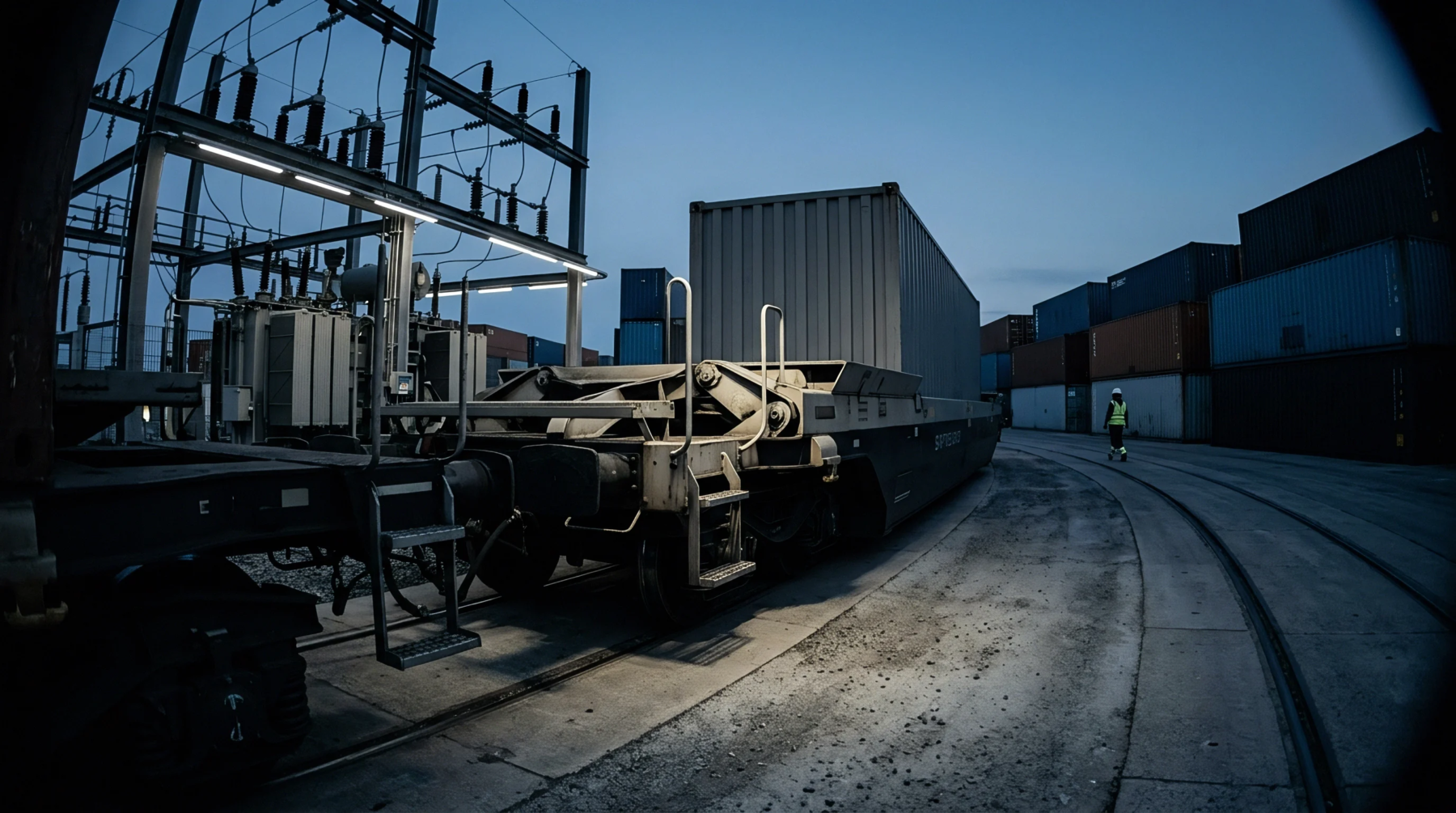
Mitigation Architecture
Structured fallback protocols and dedicated capital reserves protect cargo movements from physical network failures, carrier insolvencies, and sudden route closures. Within industrial procurement structures, logistics contingency establishes pre-cleared alternate transport modes, secondary warehousing locations, and flexible routing permissions. The scope covers multimodal freight operations, cross-dock allocations, and safety stock provisioning, terminating where standard supply chain execution resumes normal transit.
Activation Triggers
Unplanned channel disruptions such as canal blockages, labor strikes, and severe weather require execution of fallback protocols. When tracking alerts show standard transit delays exceeding safe replenishment thresholds, operations teams trigger logistics contingency procedures to reroute delayed freight. Switching containerized maritime cargo to air freight represents an expensive intervention, authorized only when assembly plant shutdown penalties exceed premium air charter costs.
Transport teams invoke secondary carrier contracts that maintain pre-negotiated spot allocations, circumventing primary carrier capacity freezes. Logistics managers reallocate stock across regional distribution centers to fulfill orders while main shipment lanes clear. Standard operating procedures dictate the precise sequence of administrative approvals required to draw down dedicated emergency budgets.
Forwarders must balance premium drayage surcharges against maritime vessel demurrage fees when diverting cargo to alternate ocean terminals. Documenting chain of custody remains essential during emergency transfers to preserve cargo insurance coverage.
Operational Tradeoffs
Relying on emergency transport networks expands unit operating costs, placing acute pressure on gross product margins. Effective logistics contingency planning absorbs sudden supply chain shocks without entirely disrupting downstream customer delivery promises. Companies carrying lean inventory reserves experience sharper profit reductions during network failures than those holding strategic safety stock.
Carrier contracts without explicit contingency volume commitments leave shippers vulnerable to secondary spot market premiums during general emergencies. Capital allocations for emergency freight balance expected disruption frequency against the continuous carrying costs of idle capacity. Resilience depends directly on contractual flexibility across multimodal logistics providers.