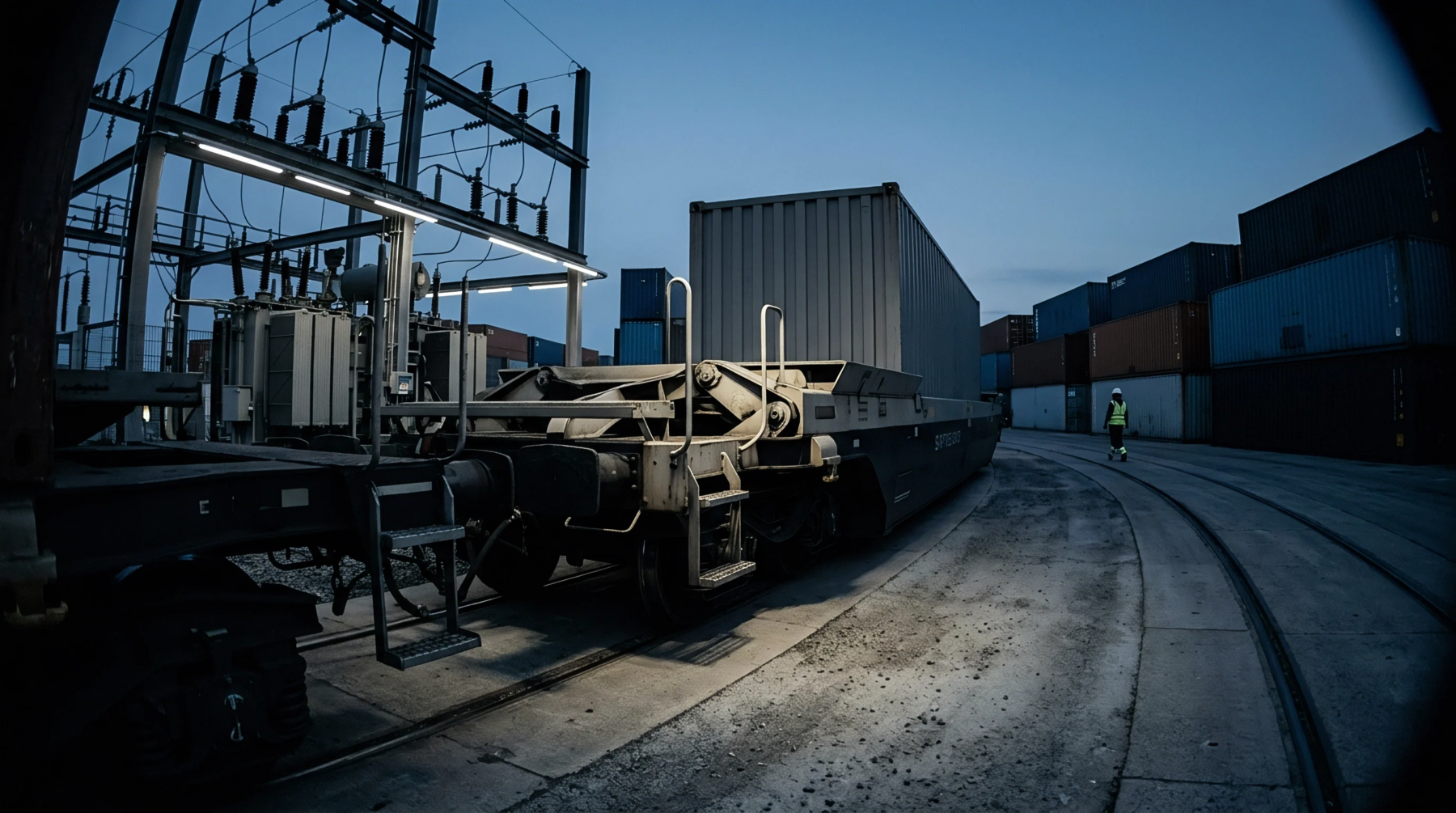
Operational Congestion
Port capacity metrics measure the volume of containers currently awaiting movement off a loading dock or storage yard relative to total facility throughput. Marine terminal backlogs represent the accumulated queue of cargo items that remain within the perimeter of a harbor facility after the scheduled time for pick up or transfer. These figures track the density of inventory residing in temporary holding zones that exceed the intended velocity of intermodal exchange.
Such delays stem from imbalances between the arrival frequency of deep sea vessels and the capacity of rail or trucking services to clear incoming volume. High concentrations of idle containers degrade the efficiency of internal equipment maneuvers.
Inventory Stagnation
Logistics planners rely on these counts to identify constraints in the physical movement of freight through international gateways. A rise in marine terminal backlogs signals a breakdown in the synchronization of landside and waterside operations. Equipment operators experience restricted access to specific container stacks when density exceeds the threshold for standard reach equipment.
This lack of available space forces terminal managers to execute additional rehandling procedures. Such extra movements increase the duration of container stays and inflate the total cost of storage for cargo owners. Terminal operators frequently adjust free time allowances or implement charges for long dwell periods to encourage the swift removal of inventory from the site.
Throughput Variance
Accurate assessment of these queues requires distinguishing between seasonal surges in consumer demand and structural deficiencies in infrastructure. Persistent marine terminal backlogs indicate a lack of alignment between berth productivity and inland transport availability. Chronic congestion creates a ripple effect throughout the broader supply chain by delaying the arrival of goods at inland distribution centers.
Efficiency improvements in vessel berthing schedules produce little benefit when the landside interface cannot absorb the discharge rate. Reliable performance remains dependent on the ability to maintain a consistent flow of equipment into and out of the yard area.