Infrastructure scaling
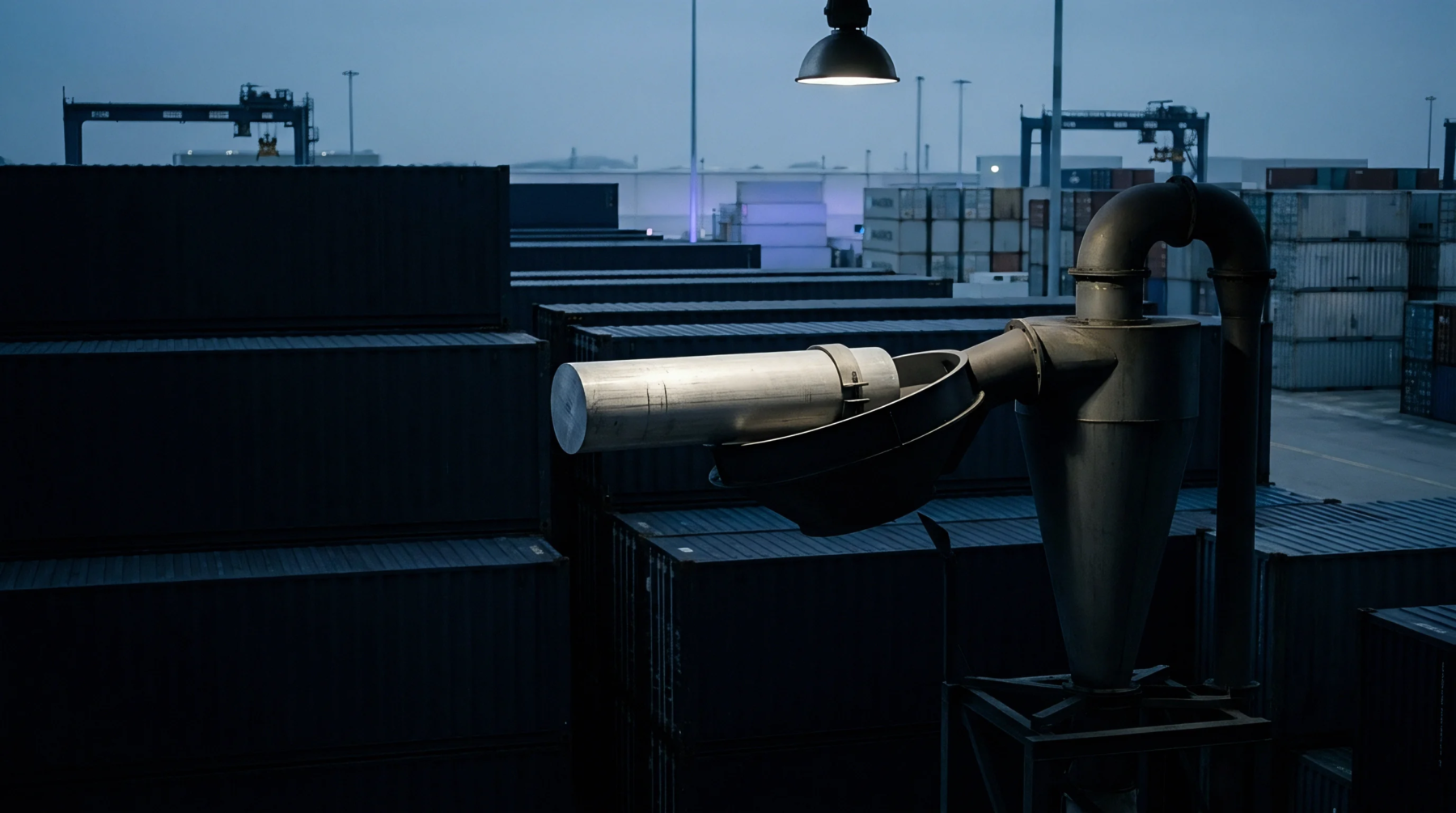
Terminal throughput enhancement measures the physical and operational modifications required to increase the volume of cargo a facility handles over a defined period. Port capacity expansion involves adjustments to berth depth, crane density, and storage yard layout to accommodate larger vessels or higher frequency arrivals. Projects of this nature frequently trigger capital expenditure cycles that rely on long-term throughput projections.
Authorities evaluate these upgrades by balancing current utility rates against projected demand surges within regional trade lanes. Physical limitations often constrain the total volume a site accommodates regardless of equipment density.
Investment justification
Financial stakeholders authorize land reclamation or deep water dredging based on the anticipated recovery of infrastructure costs through increased wharfage fees and handling charges. Decisions regarding terminal hardware reflect the expected shift in vessel draft requirements and container density specifications. Managers monitor the physical footprint of the terminal to ensure that the layout supports high turnover rates without creating internal bottlenecks during peak loading periods.
Heavy machinery upgrades remain standard responses to the arrival of newer ship classes that demand rapid turnaround times to maintain scheduled arrival patterns.
Operational constraint
Regulatory bodies monitor environmental impacts and land use rights to determine whether a project creates excessive noise or pollution for surrounding municipalities. Limits on horizontal growth force operators to find creative ways to densify storage arrays or move cargo through gated systems with greater speed. Physical space represents a fixed ceiling for many older facilities where geographic surroundings prevent further building into the water or toward inland logistics hubs.
Modernizing an existing site remains a complex task because the work must occur while ongoing operations continue to supply the local economy.