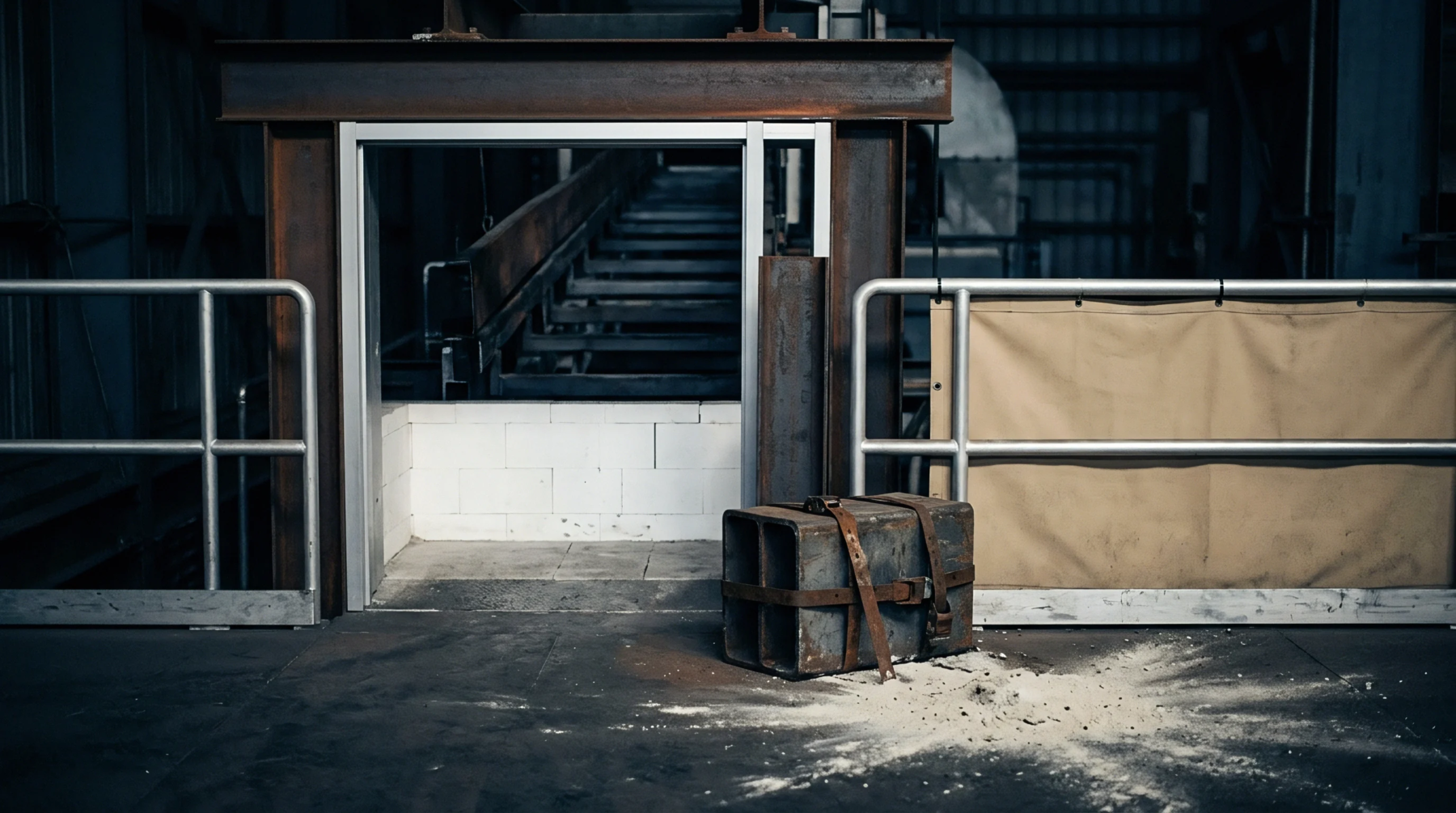
Supply Disruption
Fixed points of congestion in a production or distribution network cause the slowing or total stoppage of material flow. Industrial managers identify supply bottlenecks to prevent delays in the delivery of components or finished goods. These restrictions occur when demand at a single node exceeds its processing capability.
The impact of a single failure often spreads throughout the entire value chain.
Root Cause
Physical limitations in port infrastructure or a shortage of specialized labor create persistent hurdles for trade. Identification of supply bottlenecks involves analyzing the throughput of warehouses and the availability of transport equipment. Geopolitical events or labor strikes can suddenly close a previously fluid trade lane.
Just in time manufacturing models are particularly sensitive to these interruptions.
Mitigation Strategy
Diversification of sourcing and the maintenance of safety stock reduce the vulnerability of a network to localized failures. Resolving supply bottlenecks requires either an increase in capacity or a redirection of flow toward underutilized assets. Technological investment in visibility tools helps planners detect emerging delays before they become severe.
The resilience of a supply chain is measured by its ability to bypass these points of failure through pre planned alternate routes or the use of redundant suppliers.