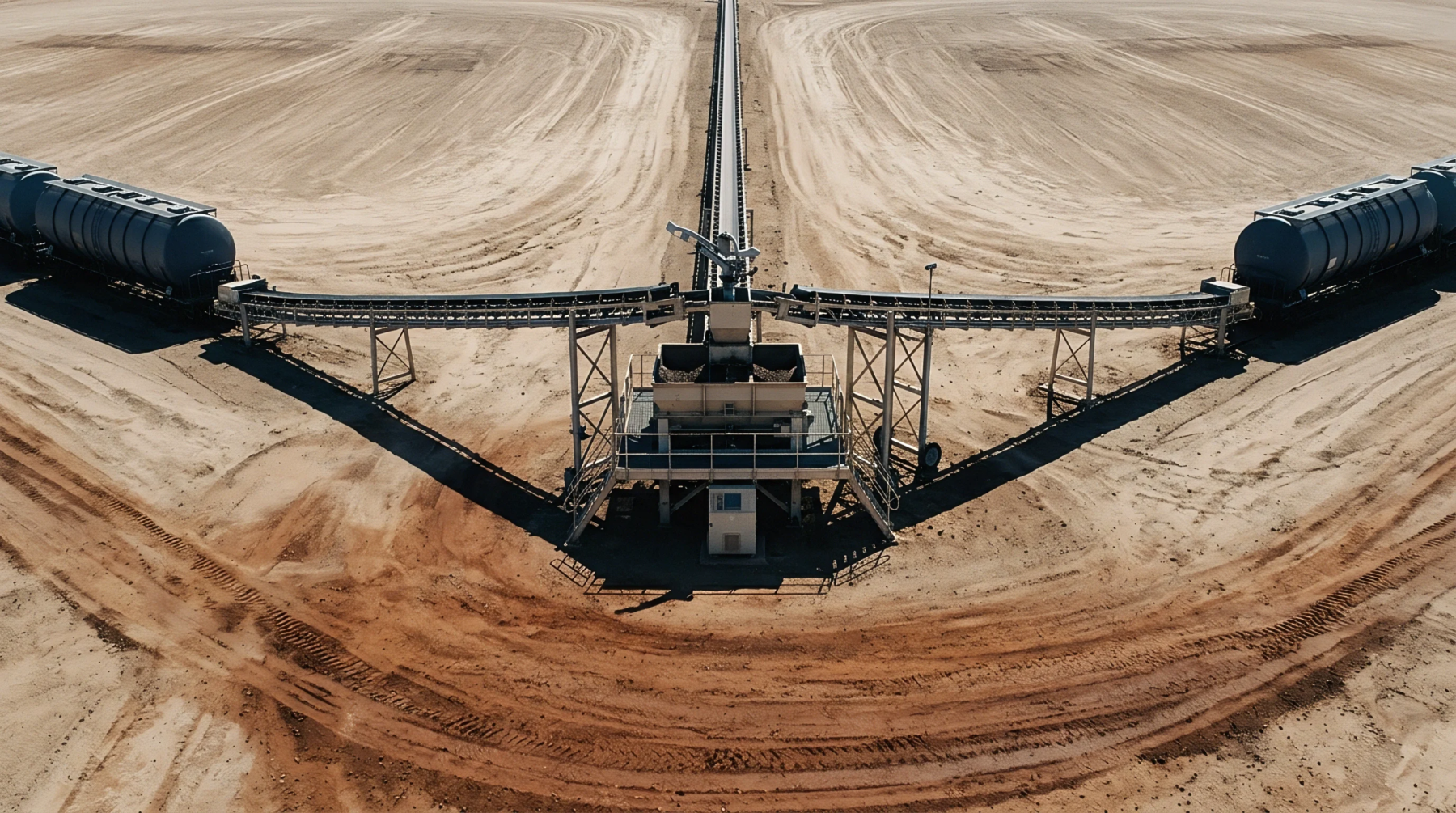
Yard Concentration
Physical measurements describe the volume of cargo stored within a specific unit of area at a port facility. This calculation of terminal density helps operators understand how much of their available land is currently occupied. High numbers indicate that a yard is approaching capacity.
Monitoring this ratio is essential for maintaining flow.
Equipment Productivity
Stacking containers higher increases the total capacity but requires more specialized cranes and longer retrieval times. When terminal density reaches a critical threshold, the yard must perform more unproductive moves to reach boxes at the bottom of a pile. Automated systems help optimize the placement of cargo to minimize this friction.
Efficiency drops sharply once the yard is more than seventy percent full because the lack of space prevents the rapid sorting of arriving and departing freight.
Bottleneck Risk
Congestion at the gate often stems from an inability to locate and move units quickly within a crowded storage area. High terminal density slows down the turnaround times for both vessels and inland trucks. Authorities may implement surcharges for long stay cargo to clear space during peak seasons.
Balancing the need for storage against the need for speed defines the daily work of the terminal manager.