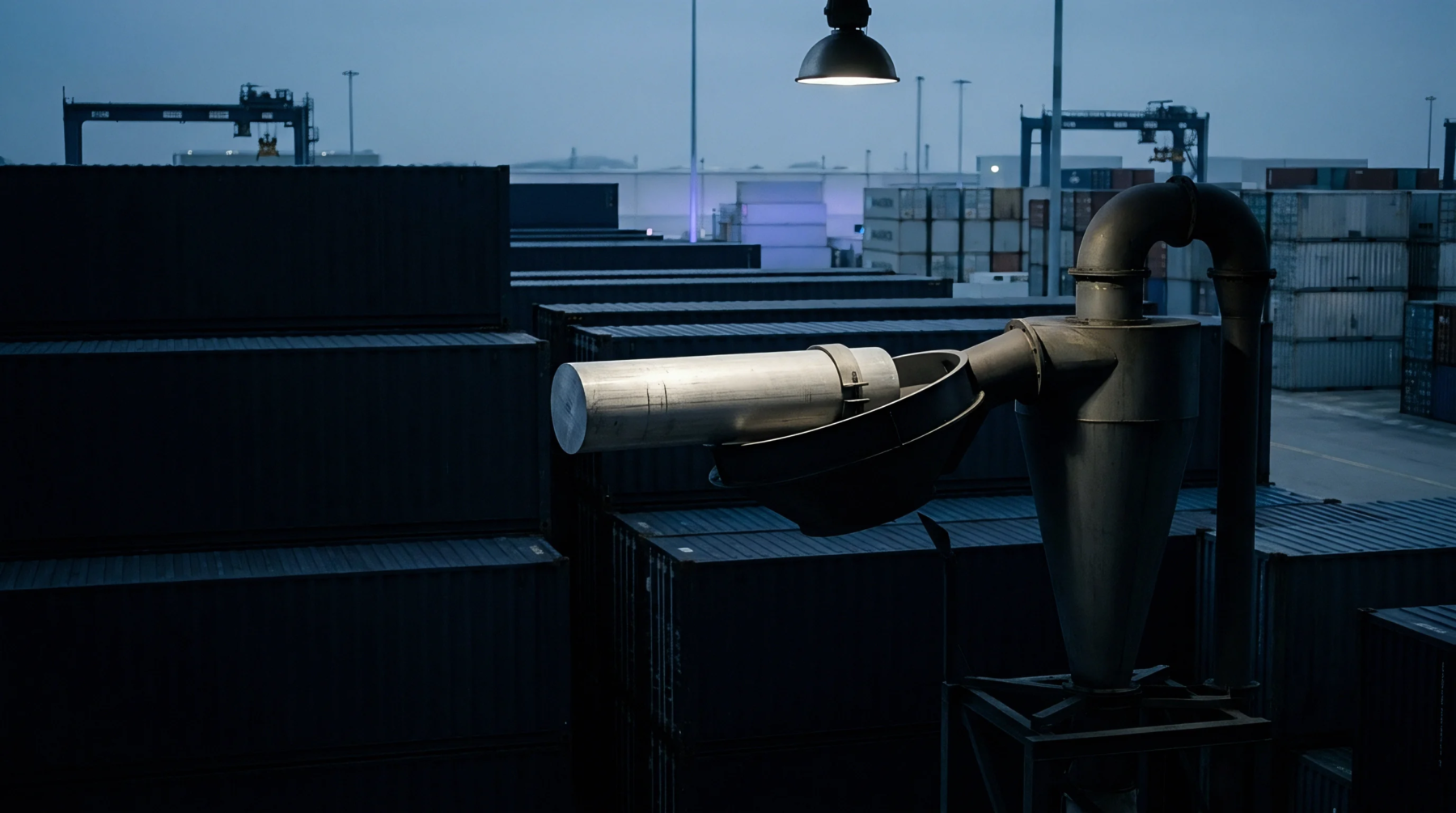
Physical Layout
Fixed assets represent the permanent equipment and spatial configurations required to load or unload cargo across maritime and land interfaces. Terminal infrastructure includes the physical berths, cranes, storage yards, and rail sidings that facilitate the exchange of goods between different modes of transport. This equipment determines the maximum throughput capacity of a logistics node by restricting the speed and volume of daily operations.
Operational Logic
Cargo flow speed depends entirely on the layout and capacity of these stationary assets. Terminal infrastructure dictates the total time a vessel remains at berth or the duration a container spends inside the yard before pickup. Bottlenecks emerge when internal movement equipment fails to match the pace set by quay cranes or rail loaders.
Optimal design requires balancing the static storage footprint against the dynamic velocity of throughput.
Financial Impact
Investors evaluate the long term viability of these installations by calculating the ratio of maintenance expenses to the total throughput handled by the facility over a fiscal year. Terminal infrastructure requires massive initial capital expenditure and subsequent recurring investment to replace worn mechanical parts or expand land capacity. Asset depreciation schedules follow the physical lifespan of the equipment, though actual utility often tracks with current technological integration rather than just years of service.
Higher throughput figures justify the deployment of automated systems that reduce reliance on human labour and speed up repetitive tasks. Effective deployment of fixed assets ensures the facility retains market competitiveness over decades of changing trade patterns.