Volume Measurement
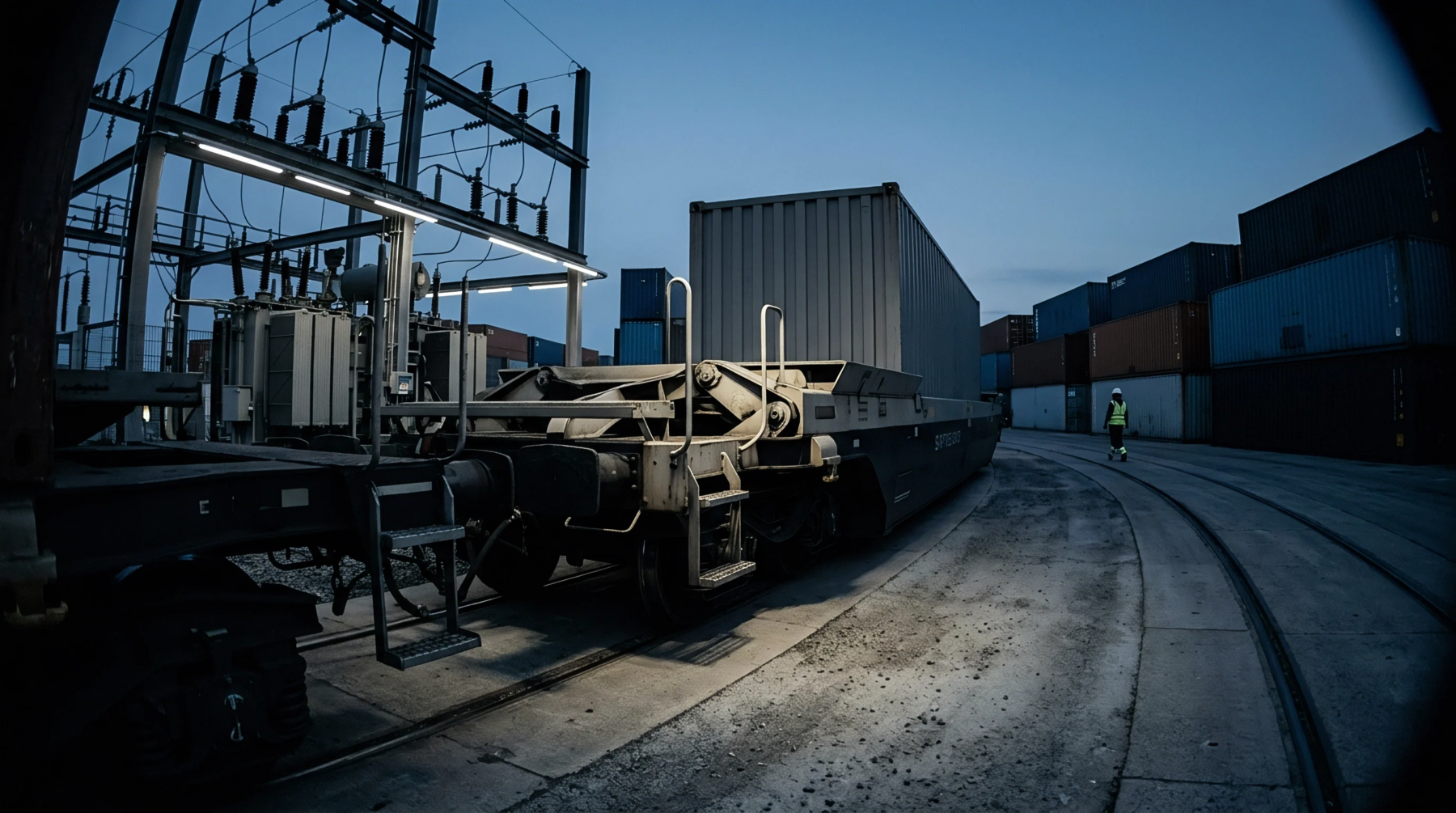
Standardized units of volume representing the space available on a container ship or at a port terminal define the carrying power of maritime infrastructure. This TEU capacity is based on the dimensions of a twenty-foot shipping container, which serves as the universal yardstick for the industry. A ship described as having twenty thousand units of space can physically carry that many standard boxes, though the actual weight of the cargo may limit the number.
Terminal Management
Port operators and ocean carriers use these figures to plan for the arrival of cargo and the allocation of equipment like cranes and trucks. When TEU capacity increases on a specific trade lane, it usually indicates that carriers are introducing larger vessels to achieve better economies of scale. Such a shift requires ports to invest in deeper berths and larger equipment to handle the massive volume of boxes that arrive at once.
Managing this space efficiently is a requirement for keeping a terminal fluid and avoiding the buildup of congestion. Shippers monitor these figures to understand how much space is available in the market and how it might affect the frequency of sailings.
Physical Limit
Structural boundaries at a port or on a ship set a hard ceiling on the amount of trade that can move through a specific point. Total TEU capacity across a fleet determines the maximum revenue a shipping line can generate in a single voyage.