MSC Suspends Novorossiysk Bookings after Black Sea Drone Attack

Ukraine drone strikes on commercial ships force MSC to freeze Novorossiysk cargo bookings and divert food and medicine routes
29.08.26 2 min

Briefing

Mediterranean Shipping Company, the world’s largest container carrier, has suspended all new cargo bookings to and from Russia’s Black Sea port of Novorossiysk after a drone strike hit the container ship MSC Ulsan III. The incident pushes Black Sea hostilities squarely into commercial container trade, shutting down the last dependable weekly route for civilian and essential supplies into southern Russia. Cargo owners are now rerouting food, medical supplies, and consumer goods through Baltic gateways like St. Petersburg, taking on longer delivery schedules and steeper shipping costs. The disruption falls on an already strained hub: Black Sea basin terminals currently handle 88% of Russia’s seaborne grain exports.

Industrial operators inspect a pile of processed carbon raw material fed by flexible hoses within a concrete silo facility.

Context

Procurement teams had already been dealing with heightened operational risk and rising war risk insurance rates across the Black Sea following strikes on several tankers and grain vessels earlier in the month. Still, cargo owners widely assumed container ships moving non-military freight like food and pharmaceuticals would remain untouched. Ahead of the attack, the main concern for buyers was whether regional weekly loops could make it through the autumn contracting period without another round of severe insurance surcharges.

Precision metal tubing components, concrete sample blocks, and ceramic gauge standards occupy a dark industrial laboratory workbench during metrology inspection.

Analysis

The drone strike on the 2,700-TEU container ship MSC Ulsan III while bound for Turkey signals an expansion from bulk bulkers and tankers into neutral container traffic, dismantling the premise that consumer cargo corridors enjoyed relative safety. With MSC halting operations, shipments are backing up at origin ports while freight shifts onto congested overland routes. Fulfilling orders now requires rail and trucking lines down from the northern Baltic, stretching transit times by weeks and driving up inland distribution expenses. Because weekly container space for essential goods to the area has effectively vanished, suppliers face contract renegotiations and heavy freight add-ons.
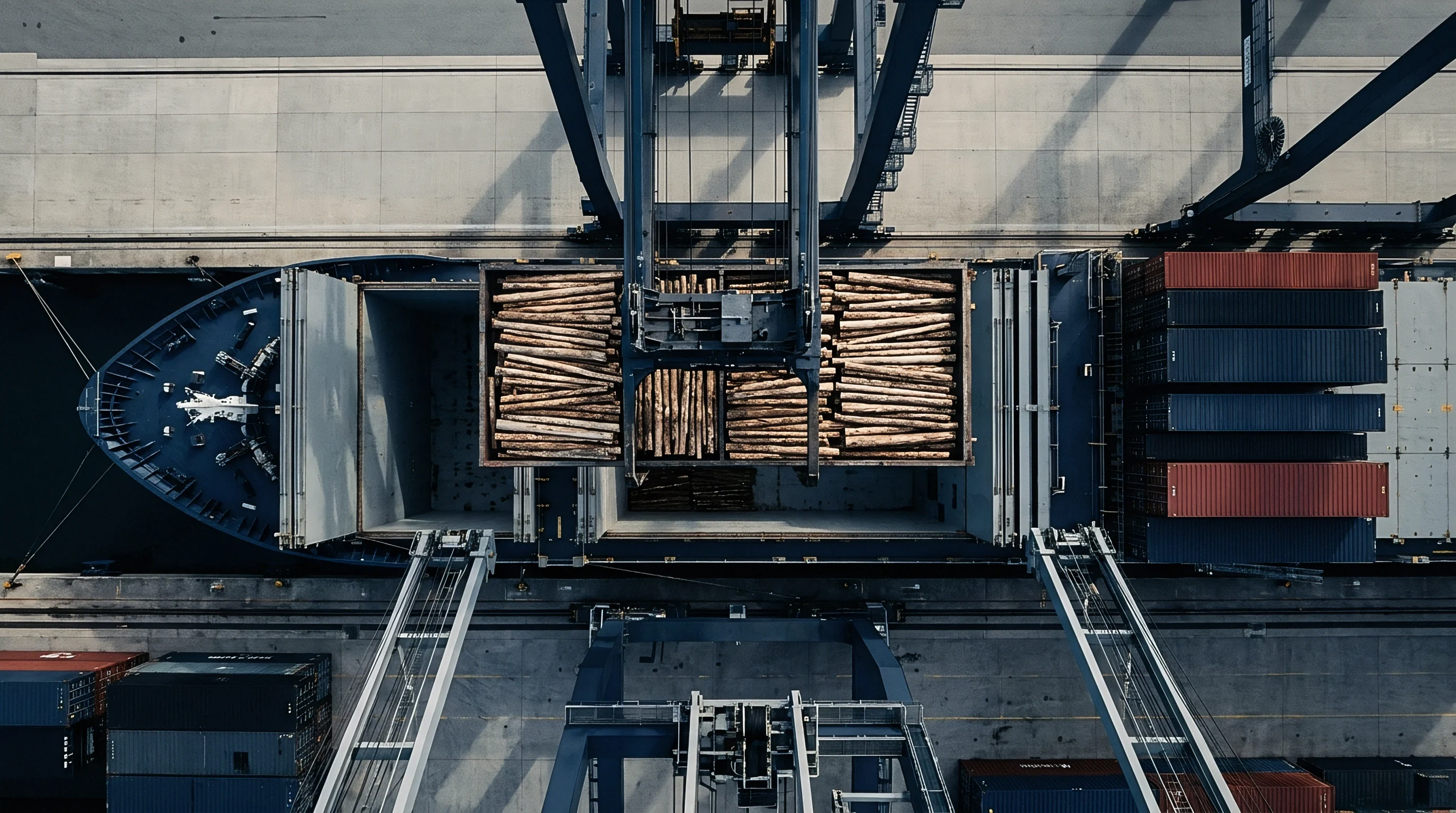
A gantry crane suspends bundles of raw timber logs above an open cargo hold of a bulk carrier docked at a concrete terminal.

Parameters

  • Targeted Container Capacity ~ The 2,700-TEU container ship MSC Ulsan III was struck by a drone on August 25, 2026.
  • Immediate Suspension Date ~ August 26, 2026, when Mediterranean Shipping Company suspended all new bookings to the Black Sea port of Novorossiysk.
  • Regional Alternative Routing ~ St. Petersburg on the Baltic Sea remains open and is handling most rerouted shipments.
  • Regional Grain Squeeze ~ Terminals across the affected Azov-Black Sea basin account for 88 percent of Russian seaborne grain exports.
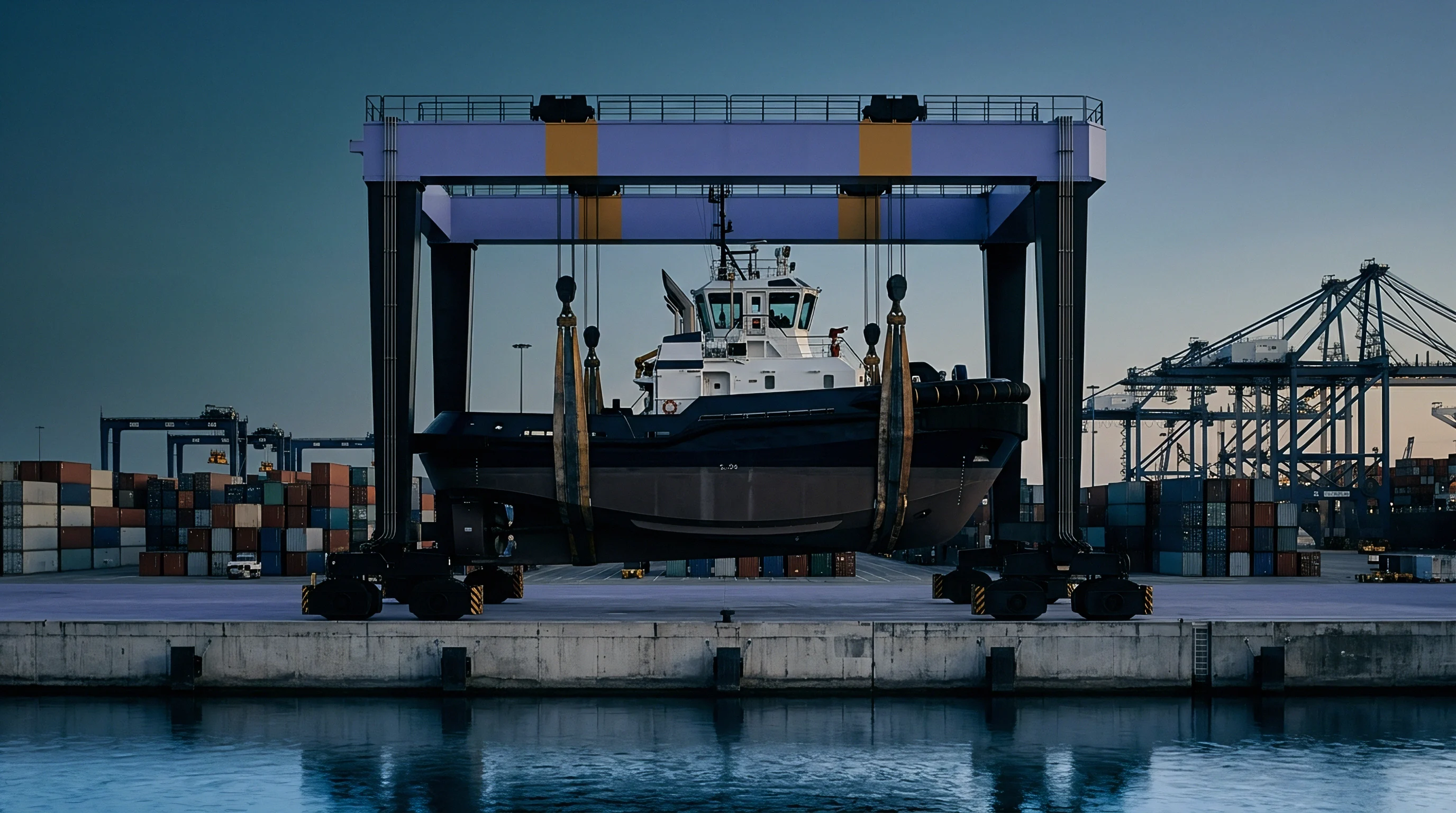
A heavy gantry crane suspends a painted steel tugboat above a concrete terminal surrounded by shipping containers at dusk.

Outlook

Sourcing operations should prepare for unstable routing and extended delivery delays throughout the Black Sea region over the next quarter. The booking suspension at Novorossiysk will hold until MSC completes a formal security review. Meanwhile, buyers need to track weekly war risk premium updates from Lloyd’s Joint War Committee to gauge whether regional feeder lines such as Akkon Lines or Fesco will pull their vessels from the Black Sea as well.
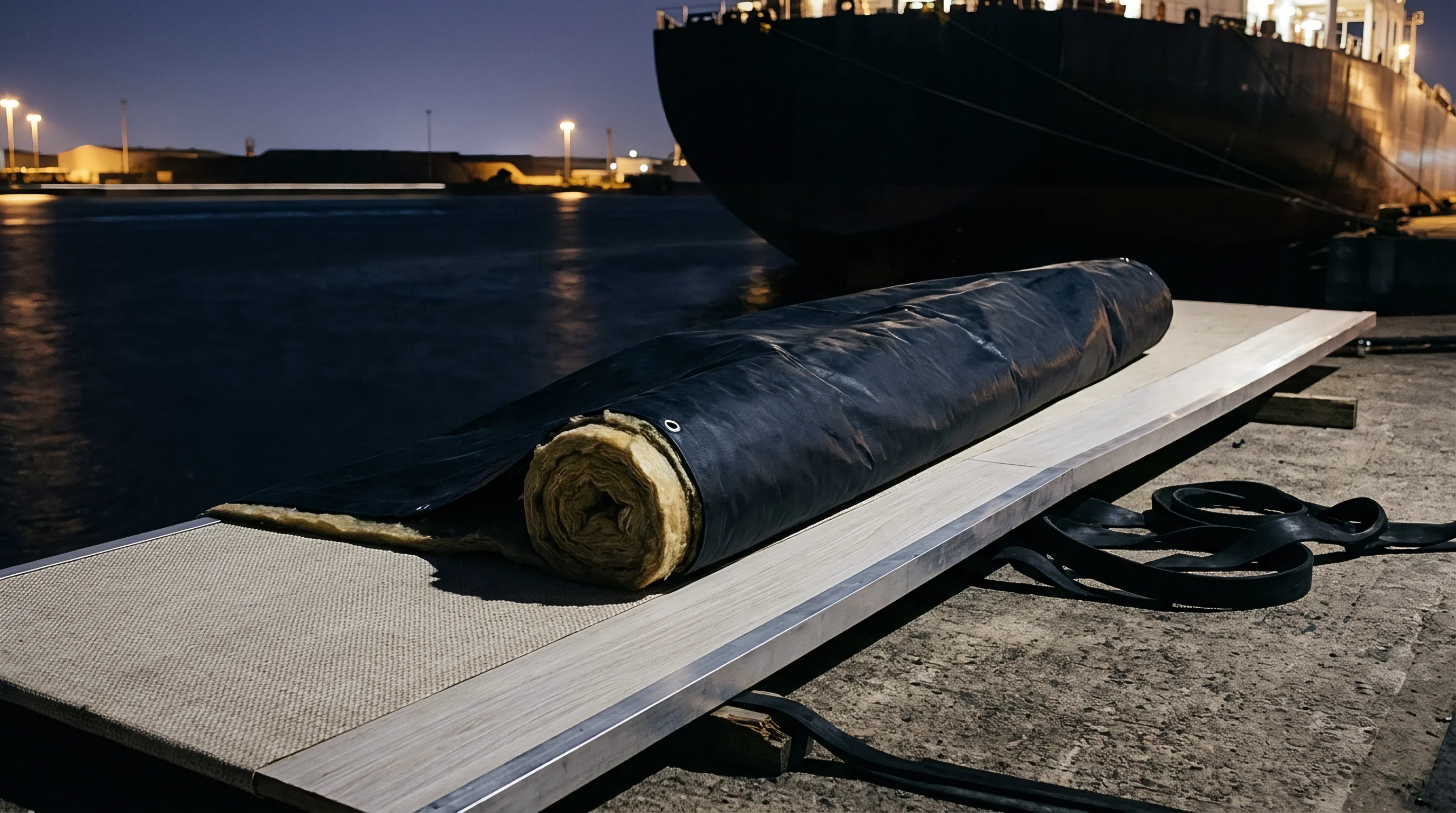
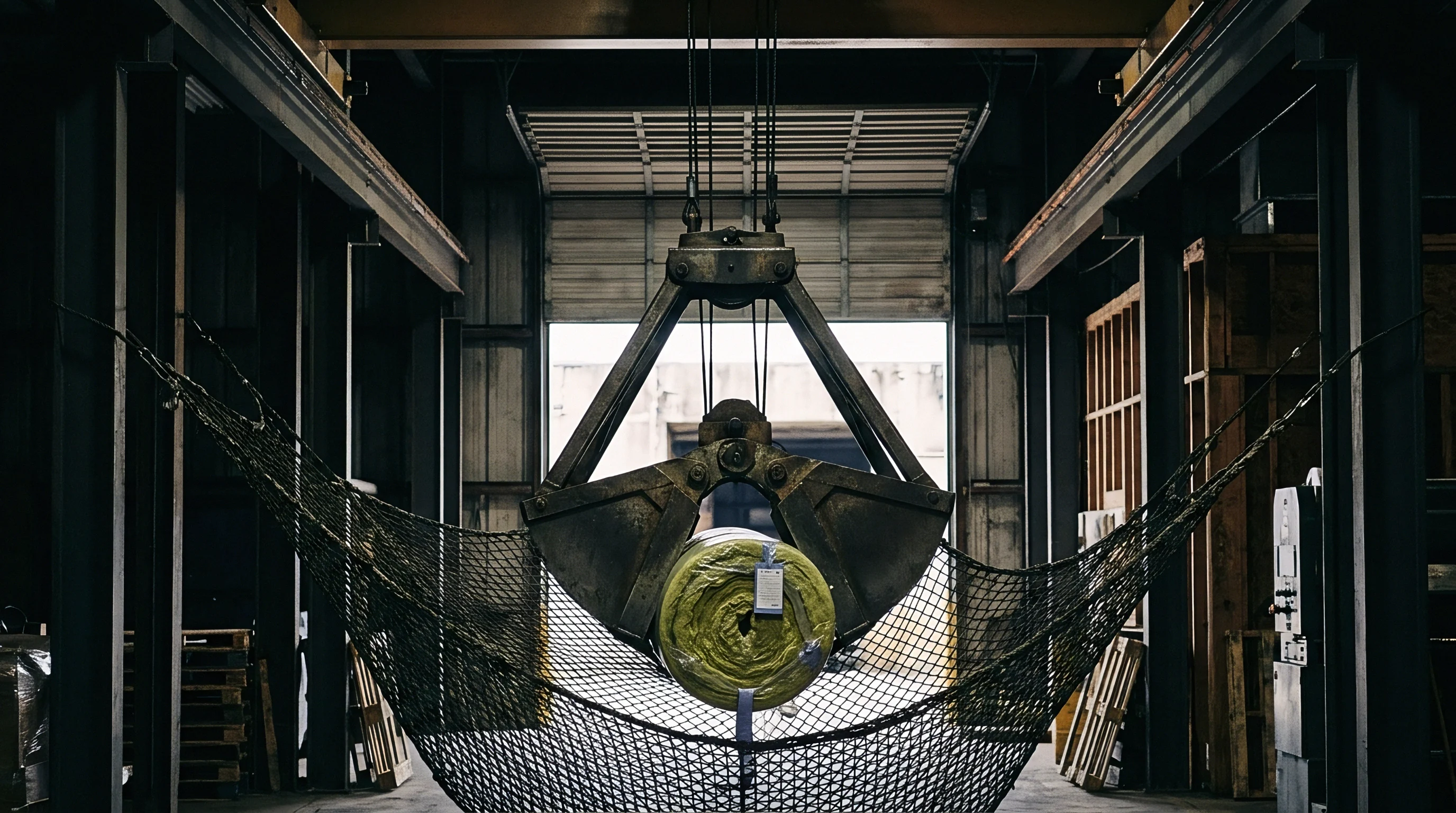
A wrapped roll of industrial insulation material rests on a wooden loading platform beside a dark cargo vessel at night.

Verdict

Buyers should immediately reroute planned essential and consumer shipments from Novorossiysk to Baltic ports to secure capacity before regional land transport rates surge.

Signal Acquired from: The Maritime Executive

Nomenclature

War Risk Insurance

Indemnity Scope ~ Specialized coverage that protects vessel owners and cargo interests against losses caused by acts of war, civil unrest, piracy and terrorism fills the gap left by standard hull and machinery policies.

Ocean Cargo Diversion

Logistical Rerouting ~ Operational displacement of containerized freight occurs when vessel operators alter scheduled port calls to bypass congestion or avoid transit disruptions.

Grain Shipping Disruption

Cargo Impediment ~ Logistical blockages within the maritime transit of agricultural commodities restrict the flow of bulk food supplies between production zones and international markets.

Novorossiysk Port Closure

Operational Halt ~ Temporary suspension of shipping activities at a major Black Sea marine terminal interrupts the flow of crude oil, grain, and fertilizer to global markets.

Freight Rerouting

Logistics Modification ~ Planned transit adjustment involves the deliberate redirection of cargo from a primary route to a secondary pathway during transport.

Black Sea Trade Lane

Shipping Route ~ Maritime corridors traversing the body of water between Southeastern Europe and Western Asia provide primary transit for bulk commodities.

Black Sea Shipping

Regional Transit ~ Maritime transportation within the semi-enclosed basin connecting Southern Europe with the Eurasian landmass handles immense volumes of agricultural and industrial bulk commodities.

Carrier War Risk

Maritime Protection ~ Liability coverage shifts to insurers when vessels enter zones designated as hazardous due to ongoing armed conflict.

Supply Chain Security

Defense Framework ~ Protection protocols form a barrier around the physical and digital movement of materials across global borders to prevent unauthorized alteration or cargo theft.

Marine Drone Attacks

Threat Geometry ~ Remote weapon systems launched from water surfaces create tactical disruptions along commercial shipping lanes when asymmetric belligerents target merchant hulls with explosive payloads.

Dry Bulk Trade

Freight Movement ~ Unprocessed raw materials constitute the primary volume of global maritime cargo transported in high-capacity vessels without secondary packaging.

Maritime Security

Operational Mandate ~ Defense of vessel movement and port infrastructure relies on continuous intelligence sharing between commercial operators and naval authorities.

What the firm knows, published

Expertise is a utility, not a secret. sentiention™ publishes its working knowledge as open reference: intelligence layer covering the materials it sources, the markets it enters, and the reference that serves both.