Regional Movement
Freight flows through major hubs like Singapore and Shanghai define the efficiency of global trade lanes. This east asia logistics depends on a dense network of ports and feeder services. Reliability in these connections supports the high-volume export of manufactured goods to western markets.
Transshipment Node
High-capacity terminals in this region serve transfer points between ultra-large vessels and smaller regional ships. When shippers utilize east asia logistics, they often rely on these facilities to consolidate cargo for final delivery. Efficiency at the quay determines the overall transit time.
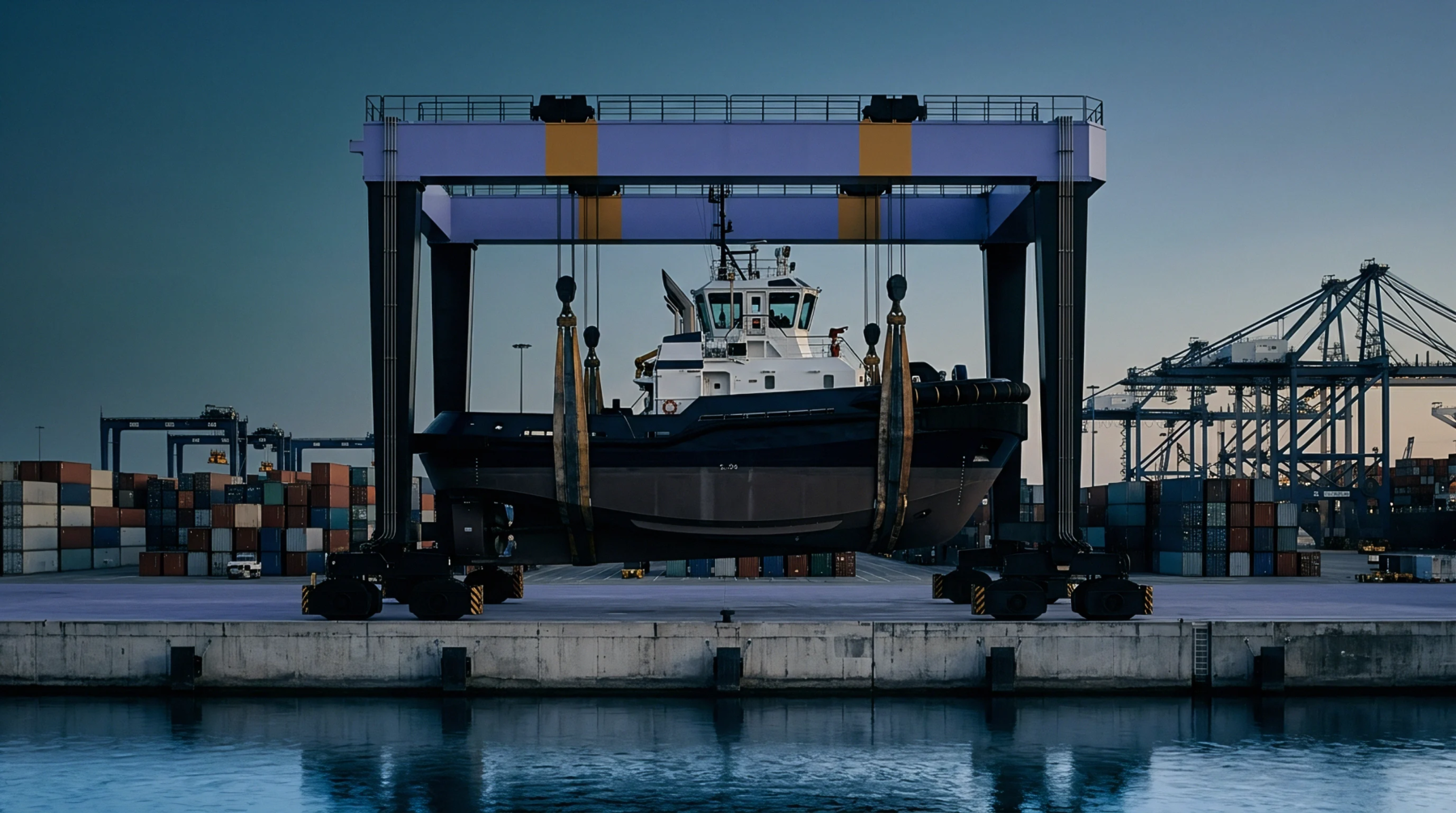
Massive container yards allow for the temporary storage of goods during the sorting process.
Infrastructure Investment
Automated crane systems and deep-water berths allow these ports to handle the world’s largest container ships without delays. Modern east asia logistics integrates rail and road networks to move goods from inland factories to the coast. Heavy investments in smart terminal technology reduce the time a ship spends at berth.
Governments in the region prioritize these projects to remain competitive in the global market. Trade volumes here exceed those of most other maritime corridors. Reliability in this network sustains the production schedules of global electronics and automotive brands.
Digital platforms provide real-time visibility for cargo moving through these complex hubs. Consistent dredging ensures that the largest vessels can access the docks at any tide.