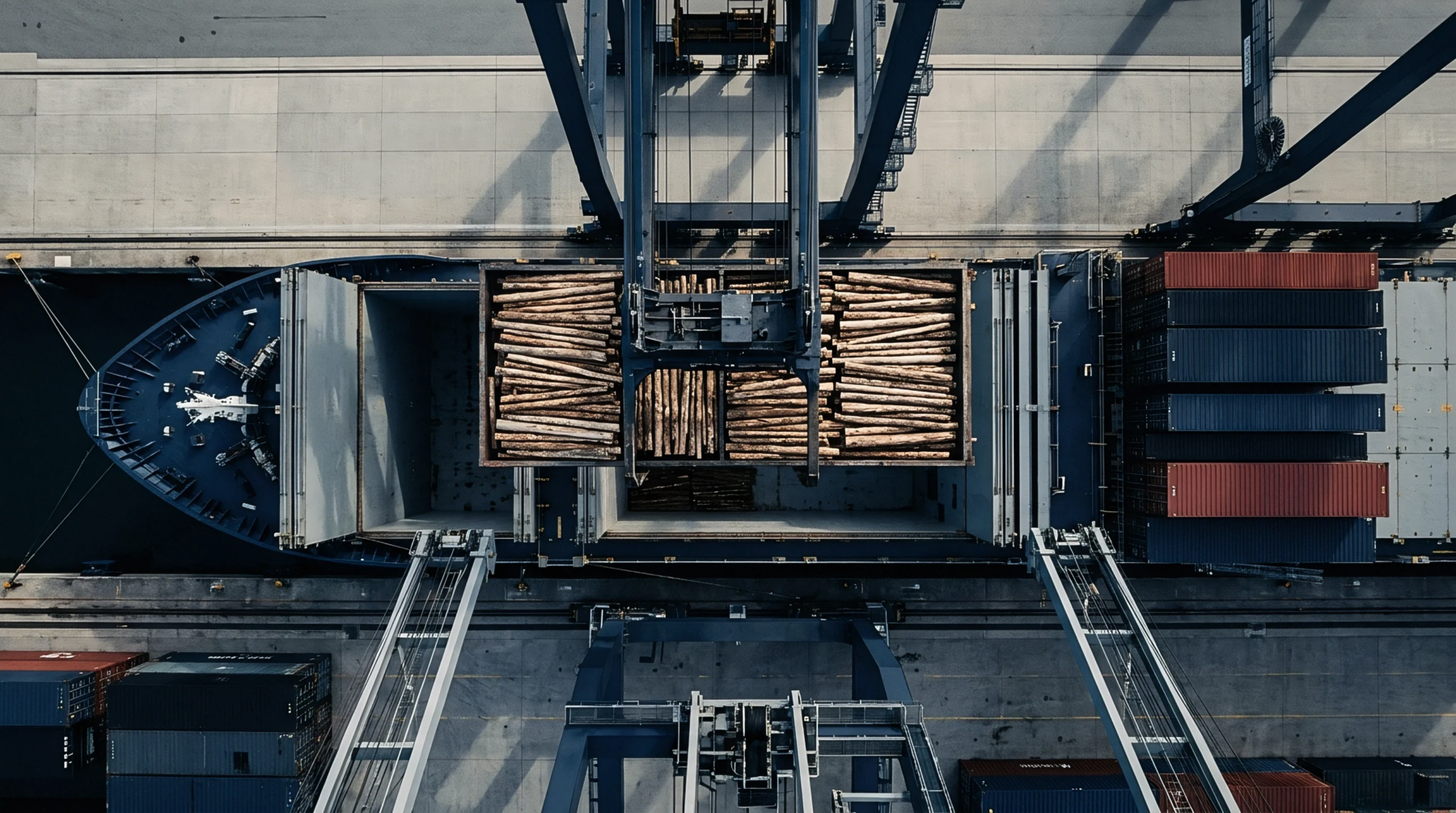
Logistical Bottleneck
Unforeseen disruptions during customs clearance or port processing prolong the time required for foreign merchandise to reach domestic distribution networks. These import delays are often caused by paperwork discrepancies, labor shortages at marine terminals, or intensive biosecurity inspections of agricultural cargo. Importers must manage these pauses by adjusting their supply calculations and maintaining safety stocks at inland distribution centers.
Customs Friction
Regulatory checks on safety standards and tariff classifications frequently extend the holding times at border points. If an inspector identifies an error in the commercial invoice, the cargo is held in storage until the shipper submits the corrected documentation. This process causes demurrage fees to accumulate, increasing the total cost of the imported goods.
Downstream Impact
Manufacturing plants that operate on tight scheduling schedules can be forced to halt production when critical components do not arrive on time. A delay of several days can disrupt retail stock levels and lead to empty store shelves or unfulfilled customer orders. To mitigate this vulnerability, businesses are increasingly diversifying their sourcing by using multiple transport routes and regional suppliers.
This shift increases transport costs but protects the wider business from the severe financial penalties associated with missing contractual delivery deadlines.