Structural Load Bearing
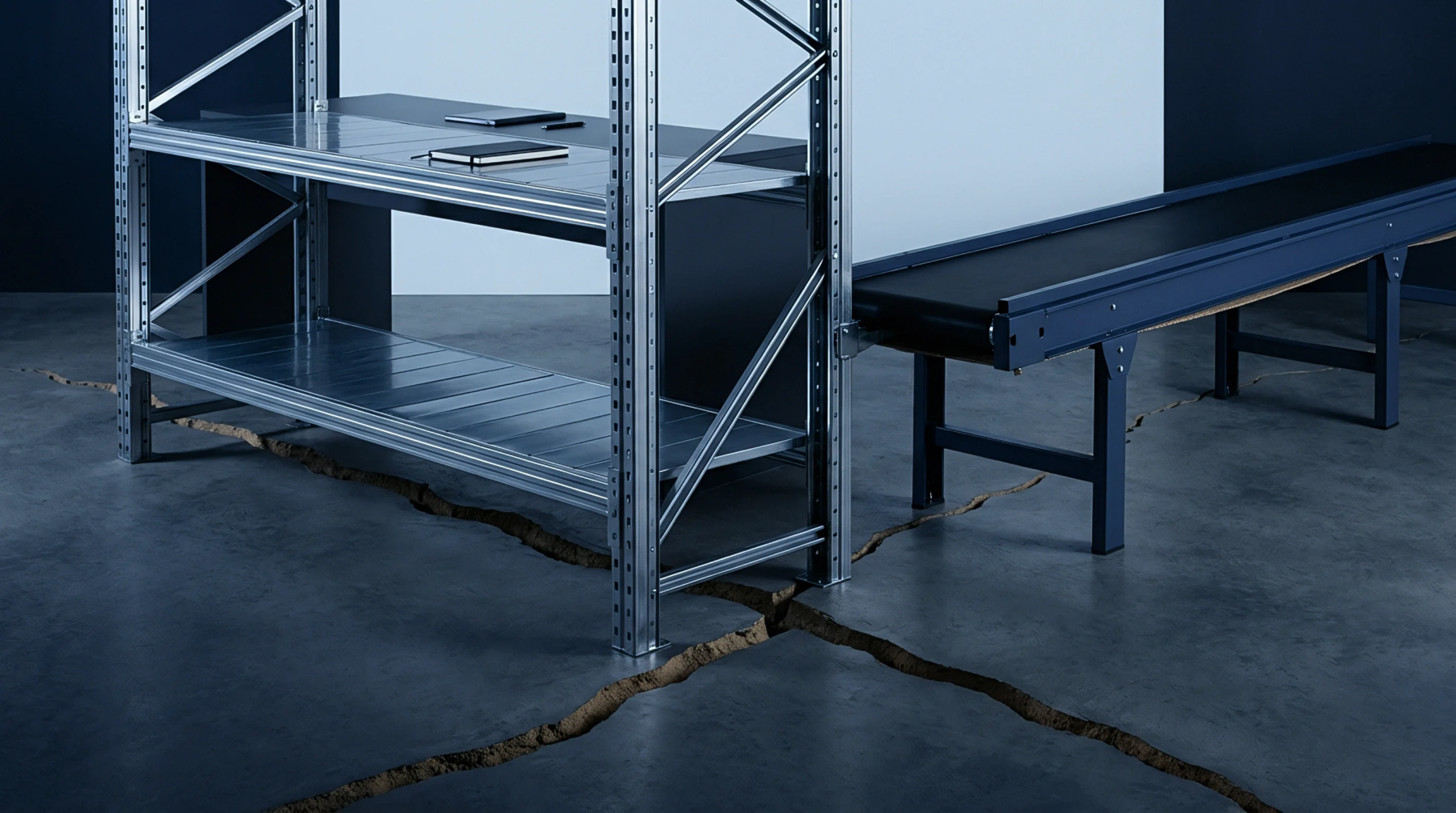
Modular steel components organize heavy inventory within vertical space to maximize warehouse density. Industrial shelving provides a stable platform for non-palletized goods, offering high weight capacities per level while maintaining accessibility. Vertical uprights connect with horizontal beams to form rigid frameworks that withstand significant compression and shear forces.
Safety protocols require anchor bolts to secure these units to concrete floors, preventing tip-over hazards during loading operations.
Material Configuration
Galvanized or powder-coated steel prevents environmental degradation in fluctuating climate conditions. Each component employs specific gauges tailored to the anticipated load requirements of the site. Designers adjust beam thickness to accommodate concentrated weight without compromising structural integrity or permanent deformation.
Precise perforation patterns on uprights allow for adjustable beam heights, enabling operators to modify internal spacing for varying product dimensions. Friction locks or gravity-based security pins prevent beams from dislodging under vertical or impact pressure.
Operational Capacity
High-density storage relies on standardized frames to decrease the total footprint of inventory. Frequent audits determine if beam deflection exceeds acceptable limits under maximum load scenarios. Warehouses maintain these systems to optimize throughput speed and sorting accuracy for manual picking processes.
Operators assess the center of gravity for every unit to balance the load evenly across the entire shelf span. Proper distribution of mass across the structure prevents localized stress points that trigger premature material failure.