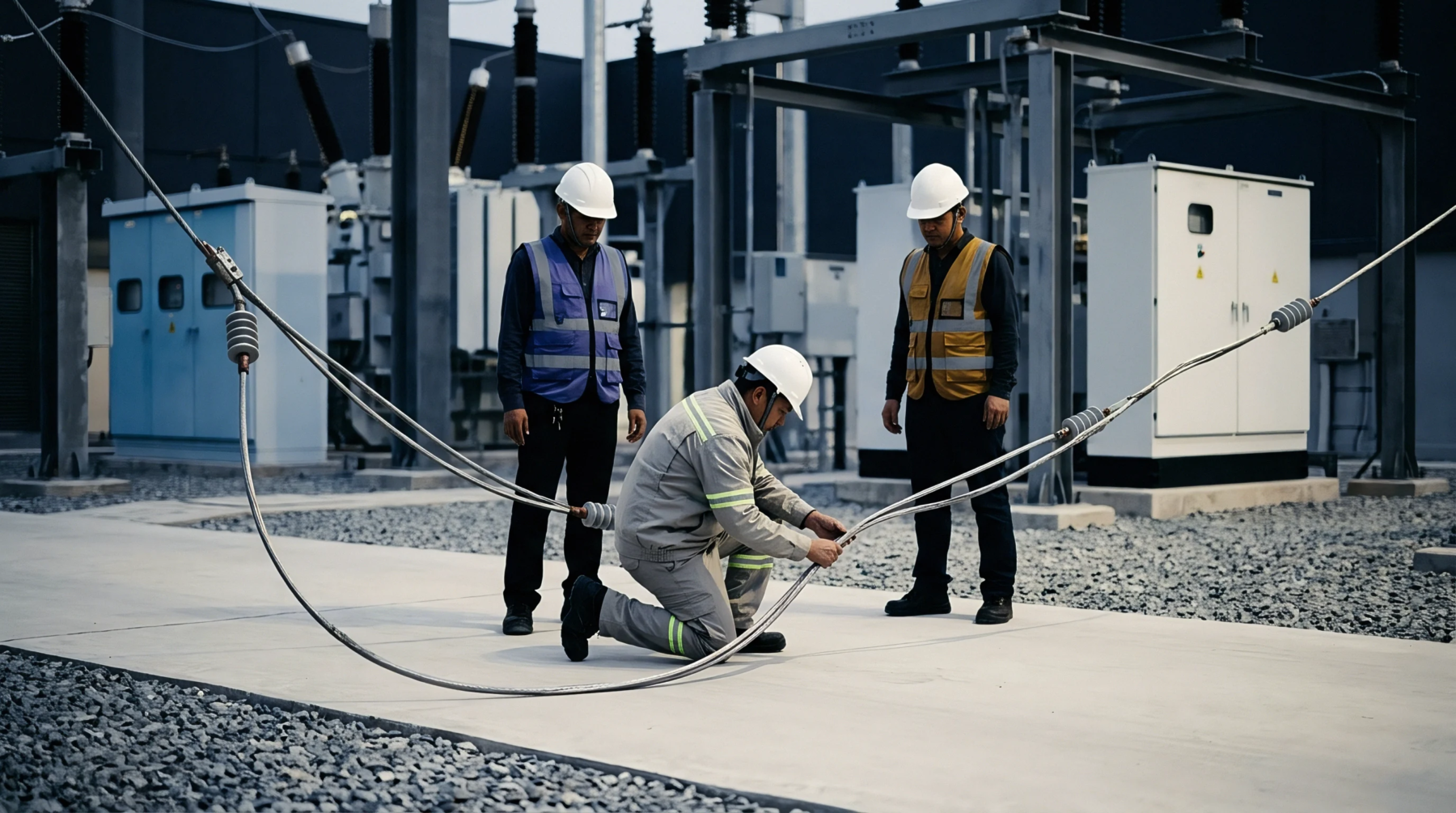
Cable Distribution
The availability and distribution of pre-assembled, armored electrical conductors define the pace of commercial construction projects. This metal-clad cable supply involves the warehousing and shipment of wires enclosed in a flexible metal sheath that protects the internal conductors from physical damage. Contractors rely on this product for indoor and outdoor power distribution in commercial buildings.
Because it eliminates the need to pull individual wires through rigid conduit, this material saves significant labor costs during installation. Distributors monitor these trends to ensure they have adequate stock for regional building projects.
Market Dynamics
Fluctuations in construction activity alter the volume of material required by the market. A squeeze in the metal-clad cable supply occurs when copper prices rise or manufacturing centers face operational delays. Distributors manage this risk by holding larger inventories of common sizes, such as 12 AWG and 10 AWG cables.
Logistics Focus
Transporting heavy spools of armored cable requires specialized logistics networks and heavy freight handlers. Because freight costs contribute to the total cost of the material, geographic proximity to drawing mills influences the final price of the metal-clad cable supply. Local sourcing helps contractors stay within budget and avoid the long transit times associated with international shipping.
This advantage makes regional supply hubs critical to the building trade.