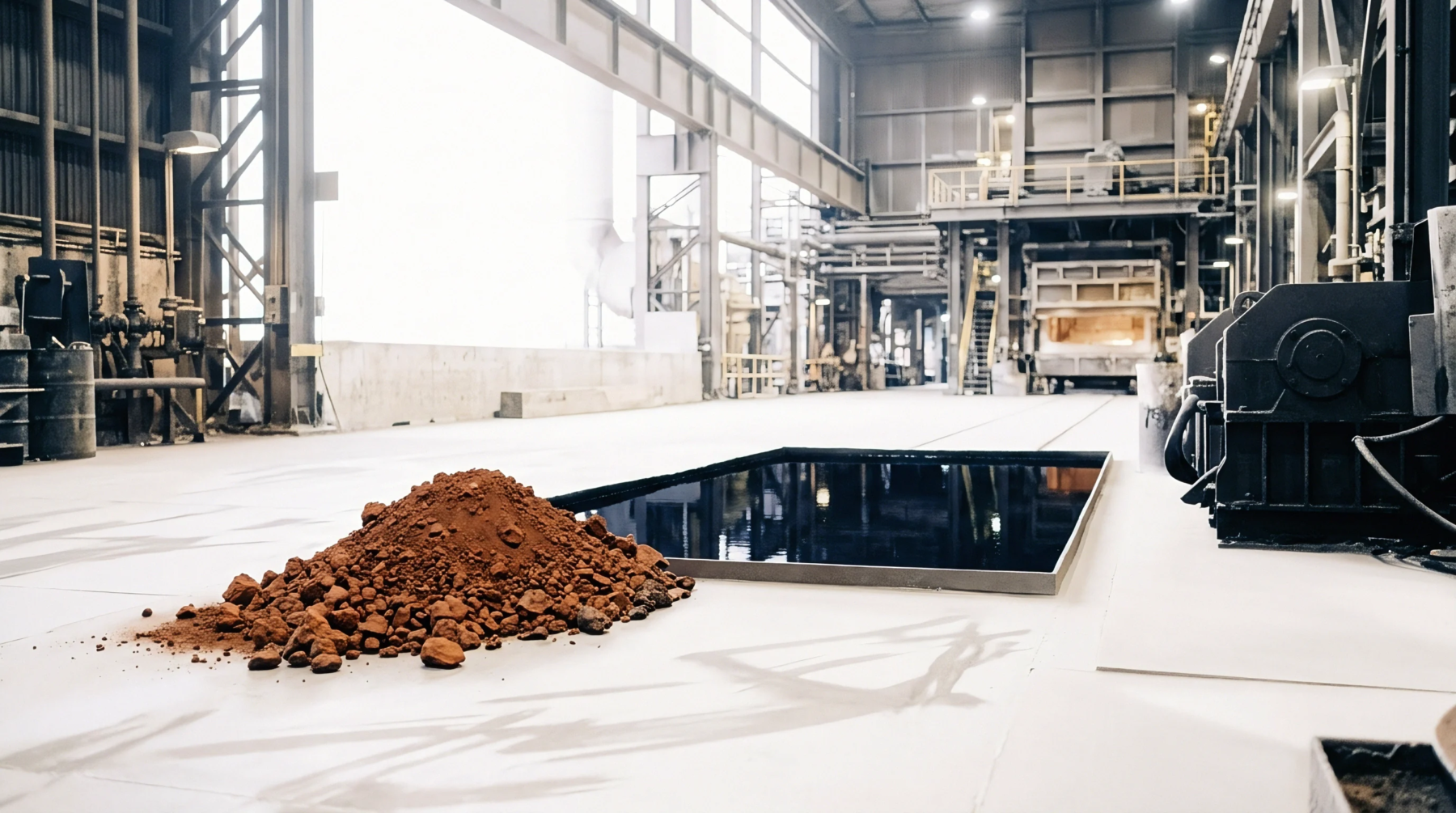
Production Input
Industrial manufacturing operations require a diverse array of raw materials, energy resources and intermediate components to sustain factory output. Essential supply chain inputs include chemicals, metals, packaging materials and electrical parts. These resources are sourced from global vendors and processed into finished products.
Their availability dictates the pace of industrial production.
Logistics Flow
Global distribution networks move these resources from extraction sites to processing plants using ocean freight, rail and truck transport. The cost of acquiring supply chain inputs is highly sensitive to transport freight rates and border clearance procedures. Delays at major ports or rail bottlenecks can quickly halt downstream manufacturing operations.
This vulnerability forces logistics managers to monitor shipping lanes continuously.
Risk Mitigation
Procurement teams manage the supply of these essential materials by diversifying their vendor base and maintaining safety stocks of critical components. When the price of specific supply chain inputs rises, manufacturers must choose between absorbing the cost or passing it on to consumers. This decision is influenced by market competition and contract terms with buyers.
To minimize price volatility, companies utilize long-term supply agreements and hedging strategies in commodity markets. These proactive measures help stabilize production budgets and protect profit margins during periods of supply disruption.