Container Availability
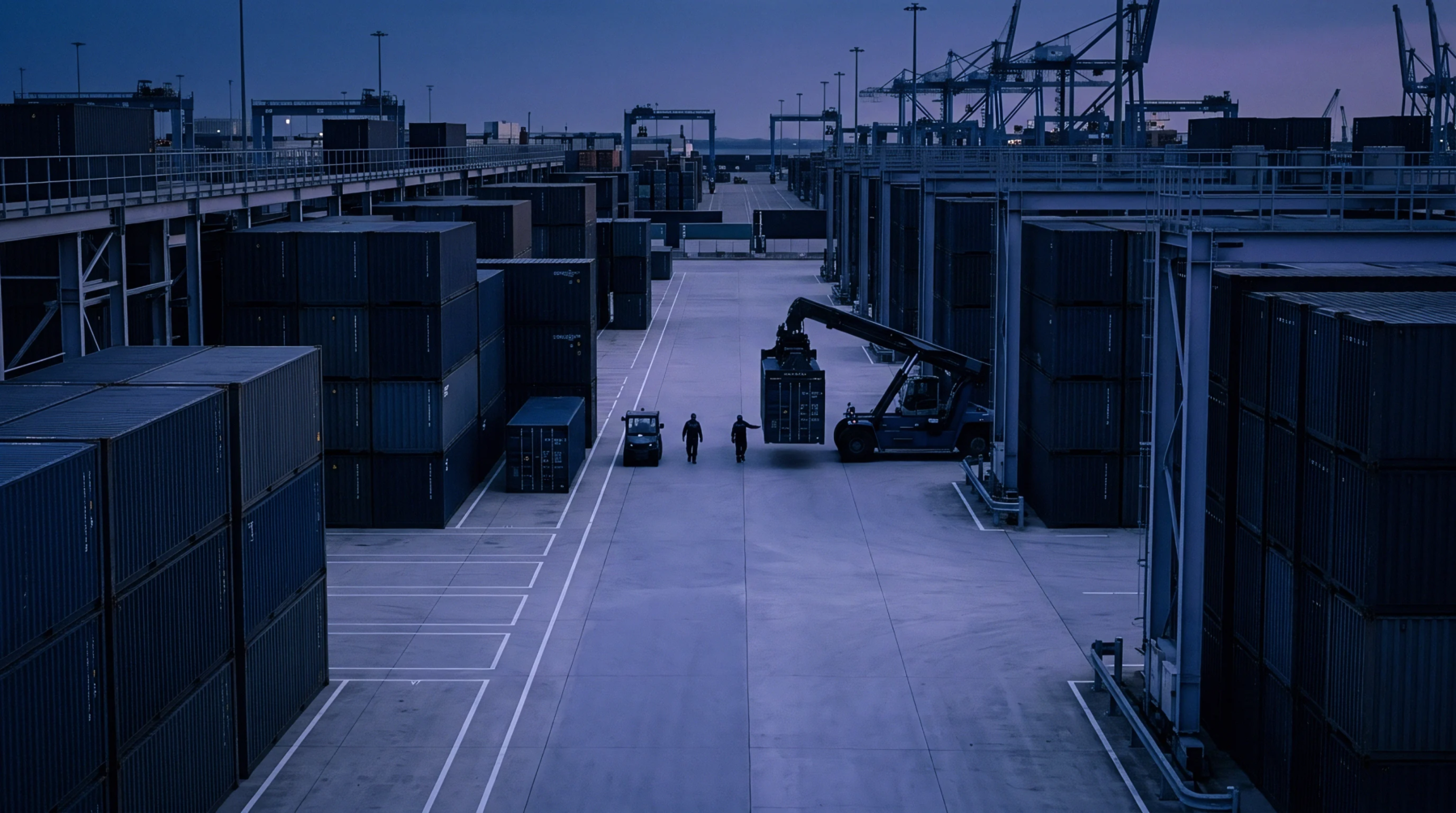
Global logistics relies on the total count of twenty foot equivalent units present within an operational zone at a specific moment. This teu supply tracks the stock of metal boxes available to exporters for the loading of cargo. Carriers and port operators monitor these counts to prevent equipment shortages that halt the movement of commodities.
Equipment managers adjust the relocation of empty units between surplus and deficit regions to maintain equilibrium across the network.
Operational Allocation
Owners of maritime assets distribute the stock of teu supply based on projected trade imbalances and regional demand. Importers return units to inland depots or marine terminals after unloading goods from overseas shipments. Logistical planners observe that a high count of empty equipment at a destination terminal indicates an efficient return flow.
An absence of available stock at a load port forces freight forwarders to source equipment from alternate locations at increased expense. Excess stock in a single area generates storage costs for the terminal operator until a vessel arrives to reposition the assets to a location with higher export demand.
Capacity Projection
Periodic assessments of current teu supply provide data for shipping lines to adjust their vessel scheduling and equipment purchasing cycles. Analysts evaluate the ratio of active units against the total fleet size to identify potential bottlenecks in the movement of dry and refrigerated cargo. A tightening in the number of ready units often signals a shift in seasonal demand or a disruption in terminal throughput.
Data regarding the movement of these assets confirms that the availability of units constitutes a fixed constraint on the volume of international trade.