Elastic Valuation
Elastomeric material manufactured for heavy machinery applications functions as a vital physical interface dampening mechanical shock across dense manufacturing assemblies. Industrial rubber sits directly inside procurement schedules for original equipment manufacturers tracking heavy machinery output. Sourcing desks evaluate raw polymer spot pricing weekly while monitoring feedstock inputs from regional synthetic production plants.
Procurement managers track cost shifts using published indices reflecting changes in global crude oil and butadiene markers. Raw polymer prices diverge from finished component costs because factory conversion overhead introduces independent pricing lag into supply chains. Synthetic compound markets fluctuate when chemical feedstock availability tightens across processing corridors.
Industrial rubber absorbs mechanical vibration inside heavy machinery, protecting structural metal frames from premature fatigue failure during continuous operation.
Compound Specification
Polymer formulations dictate durability under extreme operating loads, requiring precise compounding ratios of sulfur, carbon black and chemical plasticizers. Technical engineers test tensile strength and compression set limits before approving factory production runs for specific mechanical seals. Industrial rubber compounds maintain elasticity across wide thermal ranges, preventing fluid leakage within hydraulic systems operating under high pressure.
Curing temperatures dictate crosslinking density inside vulcanization presses, establishing final tear resistance values for molded conveyor components. Procurement contracts specify hardness durometer ratings measured on the Shore scale to verify compound performance before final shipment acceptance.
Lifecycle Maintenance
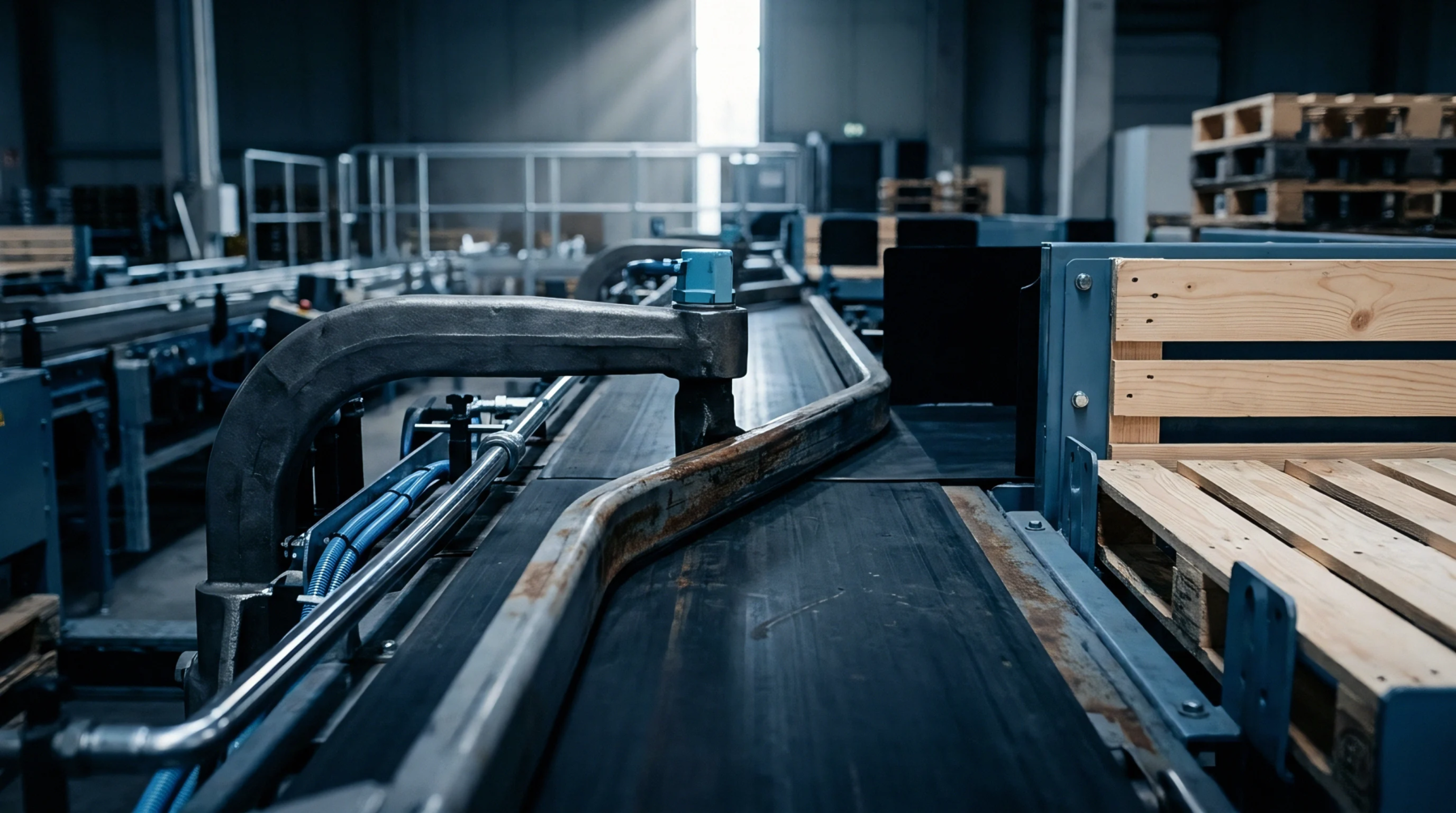
Component wear rates determine replacement schedules for molded seals and heavy conveyor belts operating inside continuous processing plants. Industrial rubber degrades when exposed to prolonged ultraviolet radiation or ozone concentrations present near heavy electrical machinery. Plant operators schedule preventative maintenance intervals based on operating hours and visual inspection of surface cracking patterns.
Factory technicians replace degraded vibration dampeners before failure causes catastrophic misalignment in rotating shafts. Industrial rubber scrap recycling rates remain low because crosslinked polymer bonds resist thermal remolding during waste processing operations.