Operational Bottleneck
Vessel queuing outside major seaports occurs when cargo handling capacity cannot match the arrival rate of ships. Occurrences of marine terminal congestion stem from labor shortages, equipment failures, or sudden surges in import volumes. This backup delays the unloading of containers and leaves vessels waiting at anchor for days.
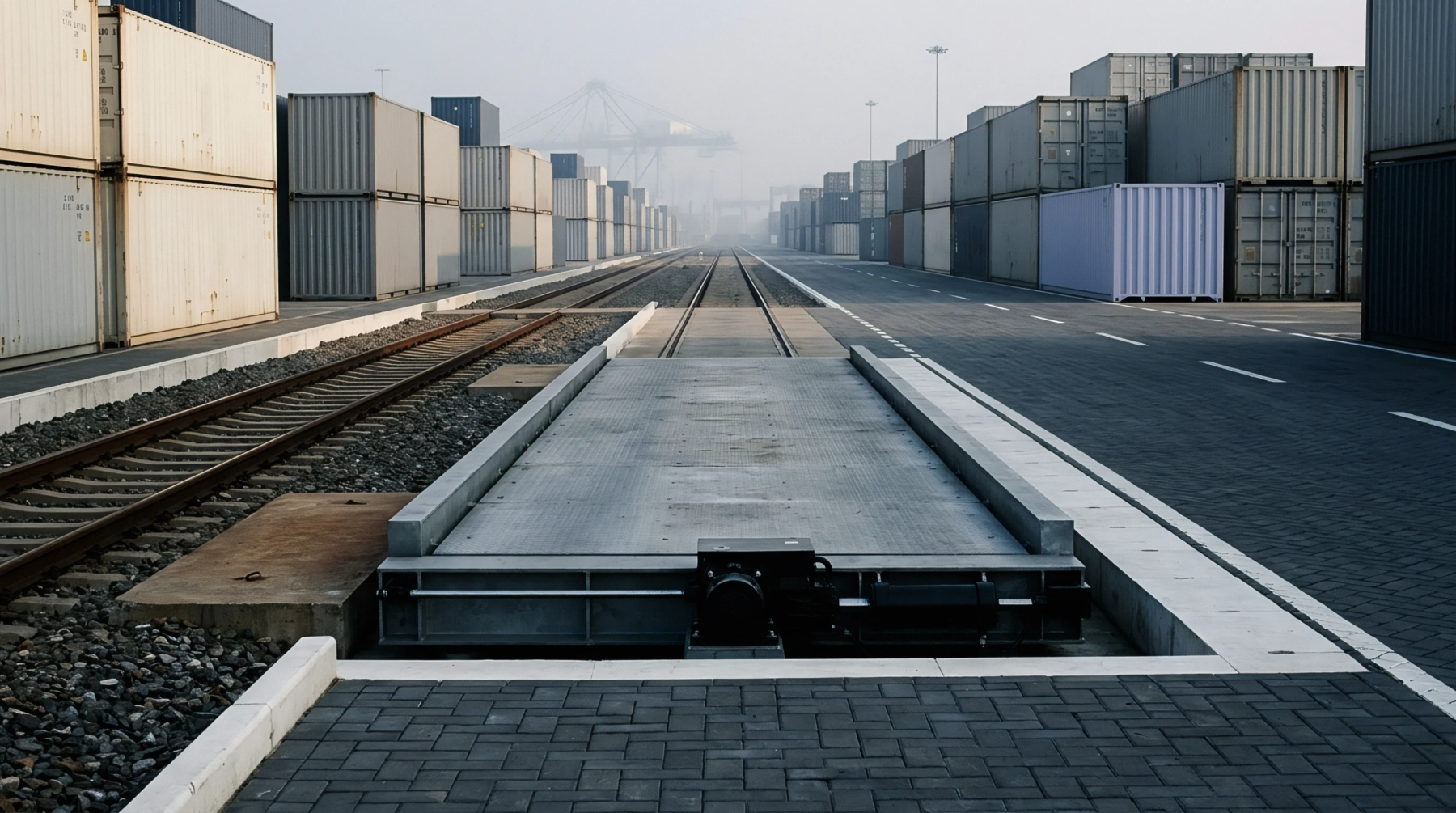
High utilization of storage yards further slows the movement of trailers within the port gates.
Economic Impact
Incurred delays generate substantial expenses for both shipowners and cargo owners. Carriers impose congestion surcharges to recover the costs of extended port stays and idle vessels. Demurrage and detention fees accumulate when containers remain stuck inside the terminal beyond their free-time allowance.
These expenses are passed down the supply chain to final consumers.
Mitigating Strategy
Terminal operators utilize slot booking systems and extended gate hours to distribute truck traffic more evenly throughout the day. Rail connections and inland dry ports help move containers away from the waterfront quickly. Shipping lines sometimes reroute vessels to less crowded secondary ports to avoid the bottleneck entirely.
Real-time digital tracking allows logistics managers to adjust landside transportation schedules based on fluctuating port waiting times. Coordination among port authorities, labor unions, and transport operators remains essential to restore normal cargo flow during peak periods.