Primary Input
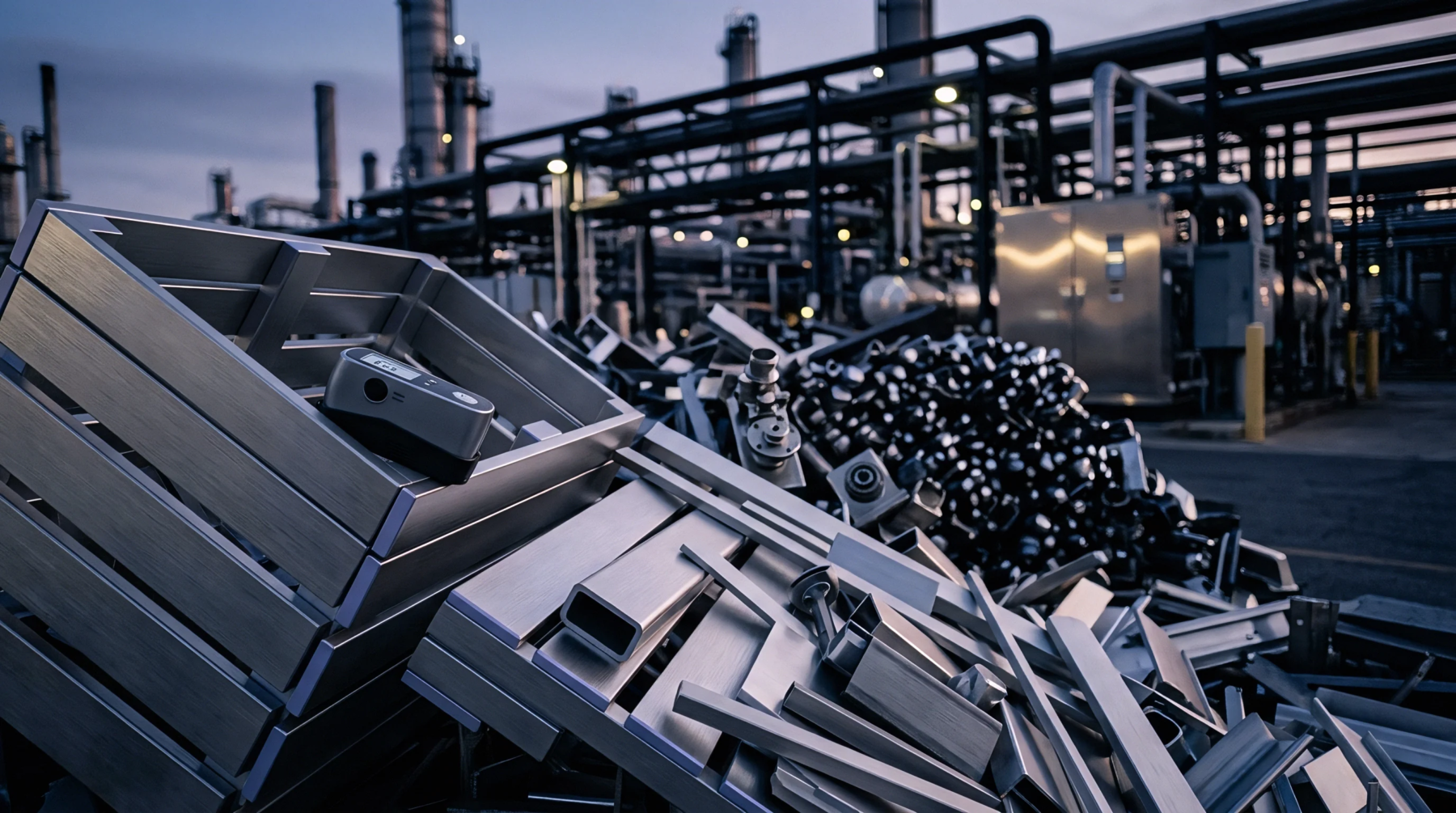
Basic metallurgical solids constitute the starting point for refining and manufacturing processes. These metal feedstocks undergo systematic transformation to reach specific chemical compositions or mechanical properties required by industrial end users. Market participants classify these materials by purity, alloy content, and physical morphology.
Secondary producers often acquire scrap batches for recovery, whereas primary smelters rely on concentrated ore or virgin ingots to maintain strict chemical stability.
Processing Trajectory
Conversion cycles begin when raw material enters a furnace or reactor for homogenization. Operators monitor melt chemistry to ensure that metal feedstocks meet the precise metallurgical tolerances demanded by downstream casting or rolling operations. Contaminant levels within the incoming supply determine the duration and intensity of the refining phase, as excessive impurities necessitate additional chemical additives or extended thermal treatment.
Efficiency within a production facility depends on the consistency of these material inputs because variability forces frequent adjustments to energy consumption and output volume.
Operational Variance
Inventory management focuses on the chemical profile of incoming shipments rather than just the physical tonnage. Suppliers deliver material in forms that include billets, ingots, pellets, or processed scrap, and each variety imposes unique handling requirements on the logistics network. Procurement teams balance the lower cost of recycled material against the operational risk posed by its variable chemistry.
Stability in supply availability reduces the overhead costs associated with redundant quality assurance testing. Total production output relies on the predictable response of these materials to standardized industrial heating and forming cycles.