Physical Constraint
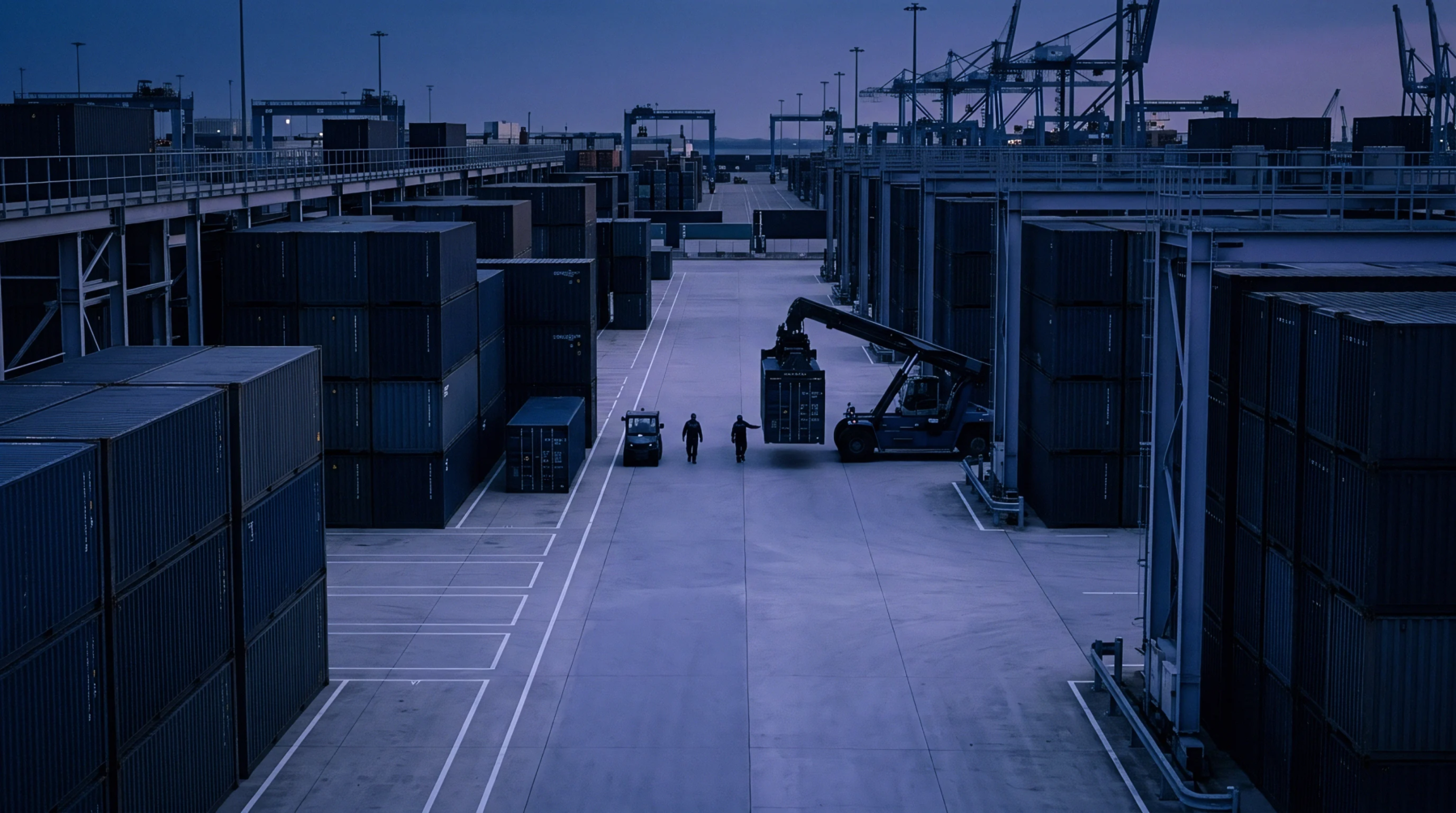
Flow restriction within a supply chain network occurs when demand exceeds the throughput capacity of a specific node or transit link. Transport bottlenecks represent localized points of congestion that delay the transfer of goods from origin to destination. Infrastructure limitations such as restricted quay depth at ports or narrow gauges on rail lines determine the upper bound of volume for these segments.
Regional imbalances in equipment availability further exacerbate these delays.
Operational Latency
Managers monitor the velocity of freight movement across fixed corridors to identify deviations from planned schedules. High levels of utilization at a facility cause waiting times to rise nonlinearly as queue lengths grow. Analysts calculate the difference between observed transit duration and nominal travel time to quantify the drag on the system.
Cargo dwell time serves as a primary metric for identifying where assets remain idle. Scheduling adjustments or route diversions provide temporary relief when these nodes become saturated.
Capacity Equilibrium
Supply chains function through the orchestration of multiple moving parts across varying environments. Fixed asset constraints limit the total output that a logistics network can sustain regardless of demand volume. Market participants optimize their operations by matching throughput targets to the realistic limits of the infrastructure.
Heavy investment in expansion projects addresses the gap between historical peak requirements and available capacity. Capital allocation decisions prioritize areas where throughput gains generate the highest reduction in system wide delay.