Inventory Imbalance
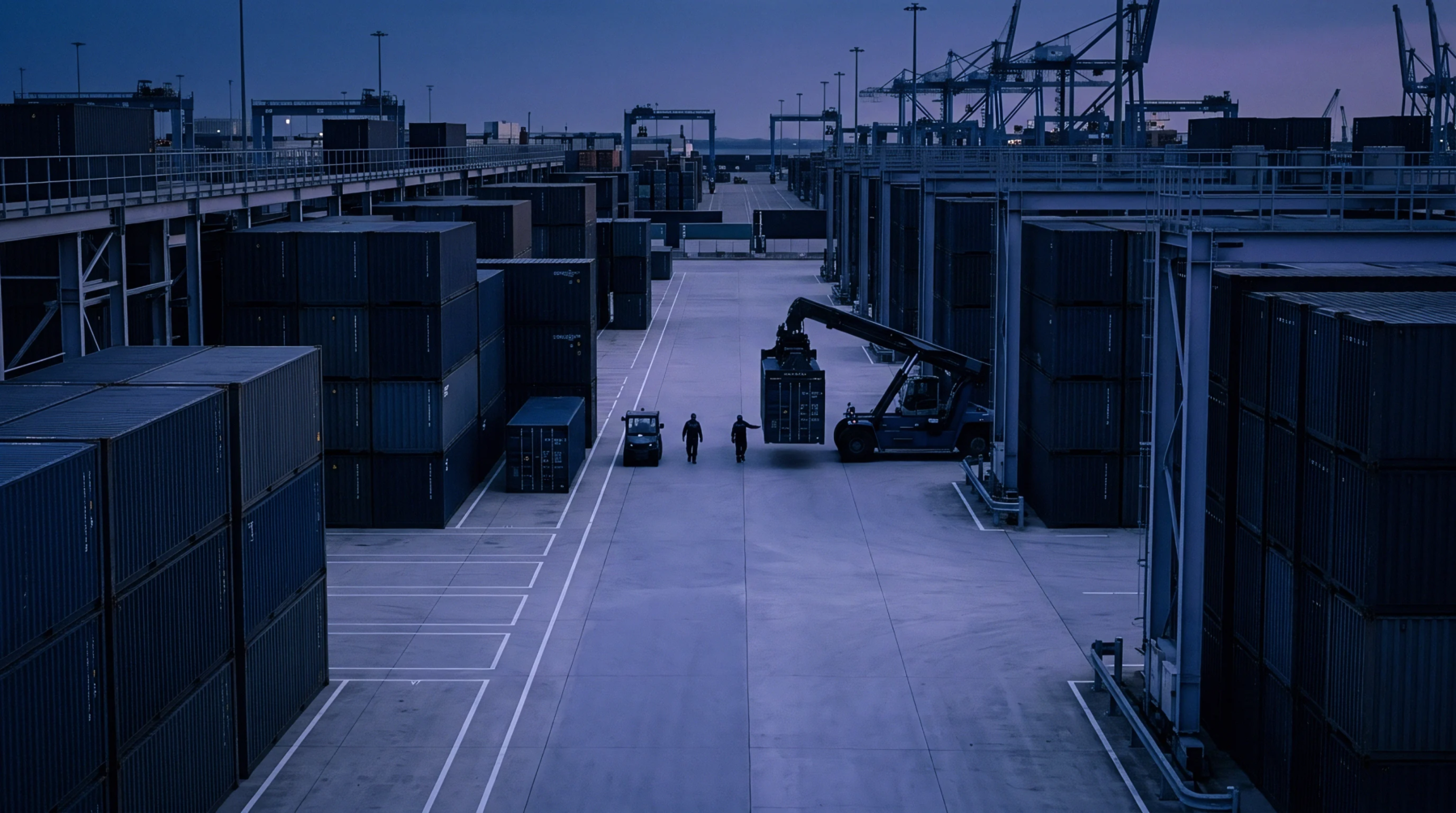
Logistics networks experience recurring disruptions when the physical supply of intermodal transport units fails to align with the geographic demand of exporters. Container scarcity describes this systemic failure where empty units remain locked in stagnant locations while high demand zones suffer from a lack of equipment. Terminal efficiency relies on the rapid evacuation of imports, but shifts in consumer behavior often trap equipment in regions with low export potential.
Trade imbalances exacerbate these conditions because maritime loops prioritize the arrival of goods over the efficient return of empty gear. Costs escalate for shippers when the availability of assets drops below the baseline required for normal load cycles.
Asset Circulation
Carriers manage equipment positioning through repositioning programs that move empties from import heavy regions to export hubs. These operators track the dwell time of units to identify where bottlenecks hinder the flow of trade. Maritime schedules depend on the turnover rate of units at port terminals and inland depots.
When chassis availability fails to match the arrival of these boxes, the entire logistics chain slows down. Shippers face higher surcharges during peak periods as carriers pass on the costs associated with finding and moving equipment.
Network Consequence
Market participants adjust their procurement strategies to mitigate the impact of reduced equipment supply. Forward planning replaces reactive booking as shippers reserve space weeks in advance to ensure asset allocation. Production timelines shift to accommodate longer lead times in the supply chain.
Volatility in equipment supply dictates the resilience of a regional export economy.