Intermodal Equipment
Standardized steel shipping units designed for long-haul maritime transport endure severe structural loads across transoceanic vessel routes. Certified under the International Convention for Safe Containers, a deep sea container withstands vertical stacking forces up to nine tiers high in cellular vessel holds. Weathering steel panels and heavy corner castings protect dry, refrigerated, or specialized cargo from open-ocean wave action and corrosive marine atmosphere.
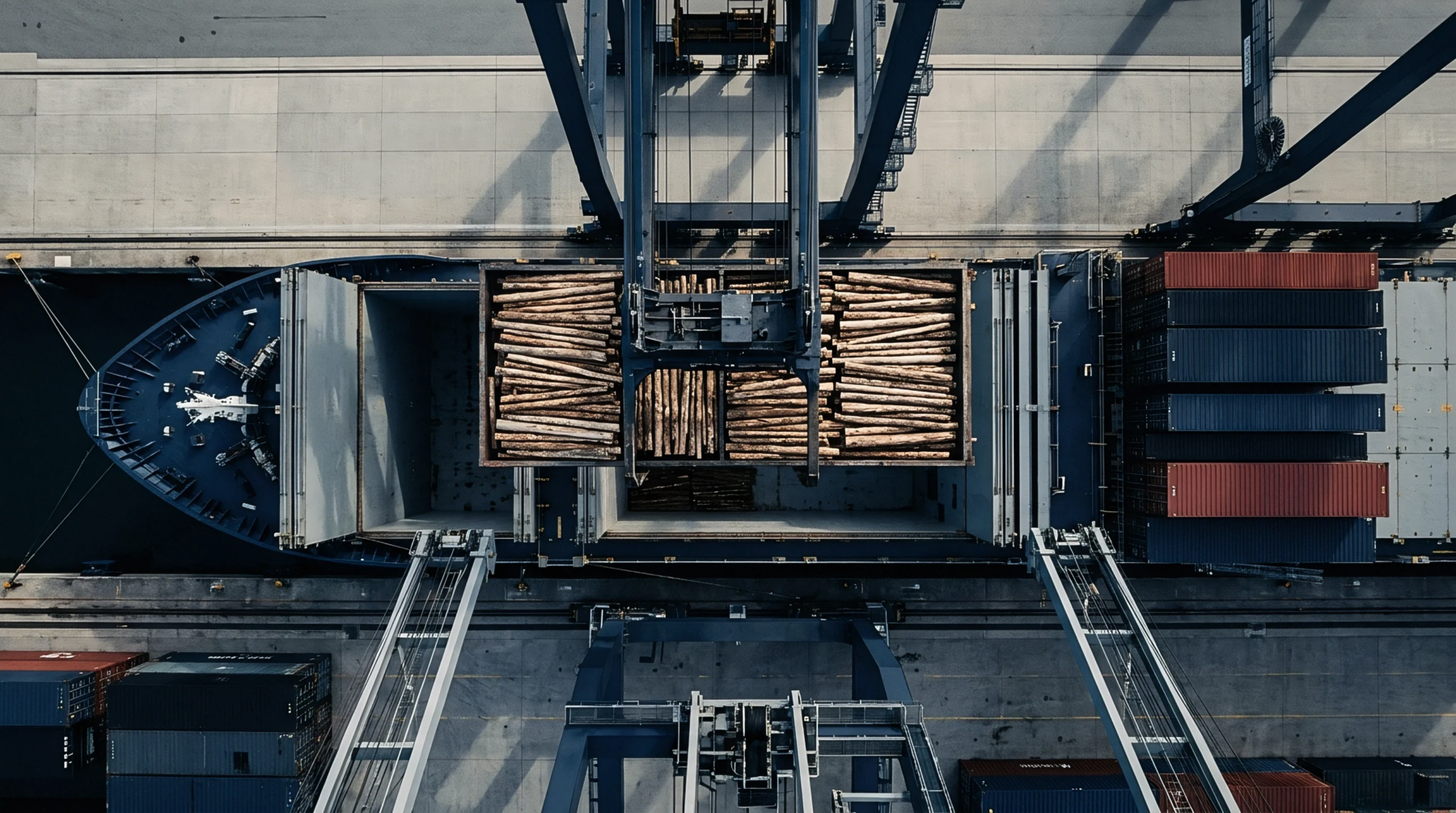
These units integrate seamlessly with container ship cell guides, port spreader cranes, and inland double-stack rail cars. Dry cargo, liquid bulk, and machinery move globally inside these sealed enclosures. Structural testing confirms floor strength under high axle weights during forklift loading operations.
Operational Demands
Extreme weather and vessel motion exert continuous dynamic acceleration on stacked maritime freight containers. Ocean carriers secure each deep sea container using twistlocks, lashing rods, and bridge fittings to prevent stack collapse in rough seas. Marine condensation within closed units requires desiccant packs or active ventilation to prevent cargo corrosion.
Refrigerated versions incorporate self-contained cooling machinery capable of maintaining precise cargo temperatures across tropical routes. Overloading a deep sea container risks structural failure of the bottom corner posts during long ocean transits. Proper weight distribution across the floor prevents floorboard sag and transverse racking damage.
Maintenance Life
Periodic inspections by authorized surveyors confirm that side panels, corner castings, and floor crossmembers remain within strict tolerance limits. Marine operations retire a deep sea container from international voyages when structural corrosion degrades maximum gross payload ratings. Damaged units undergo steel plating replacement and gasket refitting before returning to regular shipping rotations.