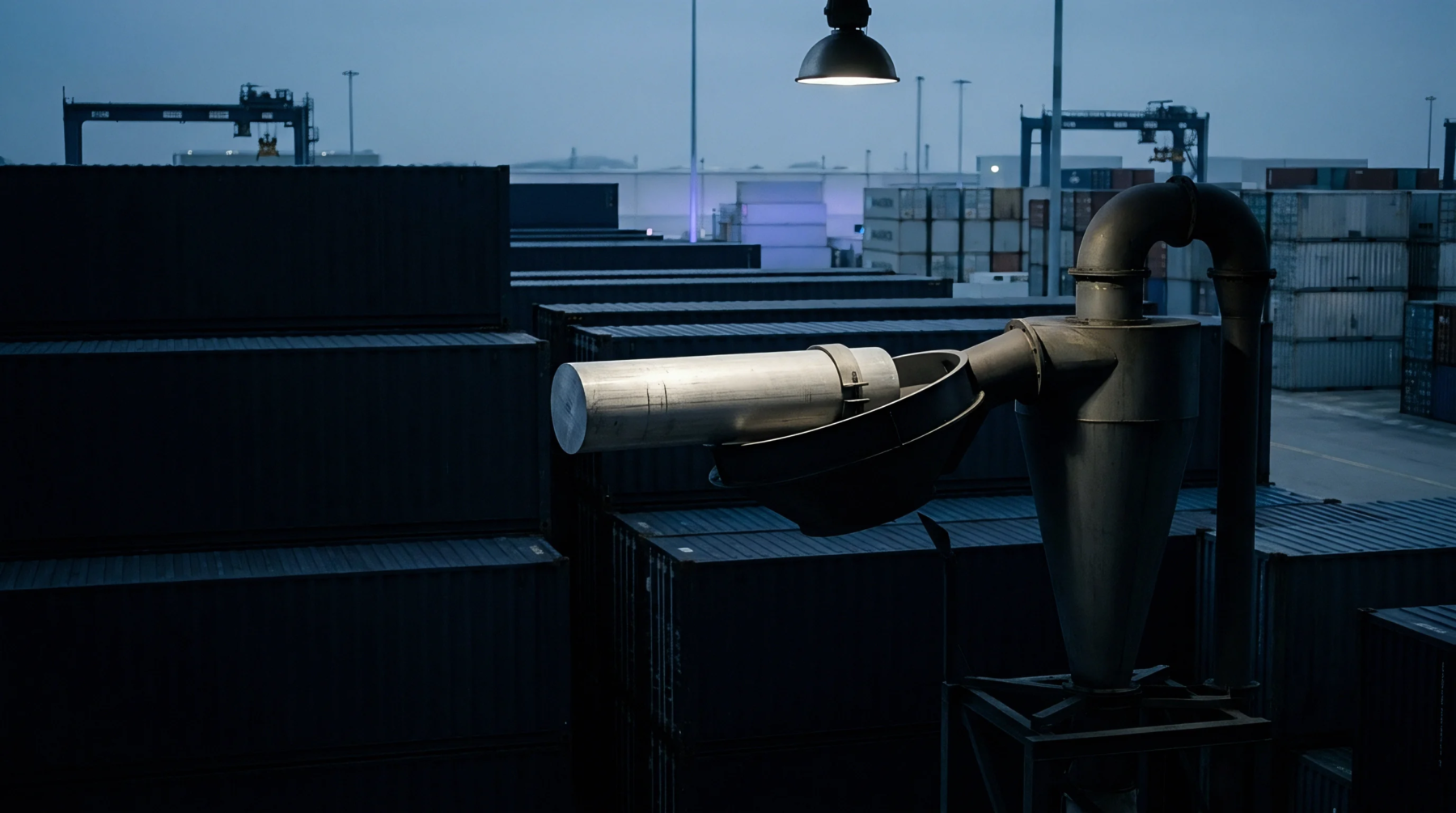
Stack Density
Accumulated containers waiting for retrieval or loading within a landside terminal space define harbor yard congestion. This situation describes a specific operational state where the available ground slots for temporary storage reach maximum capacity. Efficiency falls when the density forces extra shifts of already placed containers to reach a unit required for transport.
Such delays generate secondary costs for drayage operators who face idle time during attempts to collect assigned cargo. The threshold for declaring this state depends on the terminal operator and the physical limits of the existing stacking equipment.
Flow Restriction
Terminal gates and quay cranes often slow their activity when the density exceeds defined safety or operational limits. Workers prioritize removing containers from the bottom of stacks to avoid excessive handling, which creates a backlog of export units waiting for entry. Incoming trucks find no space to drop loads because the yard lacks the necessary room for maneuvering.
This blockage extends beyond the gate, creating queues on local roads and affecting the arrival schedules of regional rail services. The resulting cycle reduces the hourly throughput of the facility and prevents the consistent movement of import cargo to inland warehouses.
Systemic Drag
Long term presence of these high volumes forces terminal operators to introduce mandatory appointments for all cargo pickups or deliveries. Carriers must align their schedules with strictly enforced time windows to minimize the probability of arrival during peak saturation. These administrative hurdles shift the burden of logistics planning onto the trucking community and the shippers.
Failure to clear space during low traffic hours causes the bottleneck to persist into subsequent weeks, as the terminal prioritizes active ship operations over yard reorganization. The duration of this condition correlates with the variance in vessel arrival patterns and the speed of inland transport networks.