Industrial Decommissioning
Permanent shutdowns of manufacturing facilities, chemical plants, refineries or mineral processing mills terminate industrial output at a specific geographic site. Strategic plant closures remove uncompetitive, outdated or high-emissions manufacturing capacity from corporate balance sheets and active product markets. The decommissioning process concludes when land environmental remediation finishes, processing equipment transfers to new owners or the site returns to brownfield baseline standards.
Capacity Rationalization
Structural declines in product demand, uncompetitive regional energy costs, aging technology and stringent environmental mandates drive corporate boards to shutter manufacturing assets. Executive committees evaluate operating expenditure profiles, local workforce costs and logistics accessibility against more competitive global manufacturing facilities. Shuttering a complex processing asset requires engineered shutdown procedures, including system chemical flushes, pipeline purging, catalyst recovery and inert gas blanketing to neutralize hazardous residues.
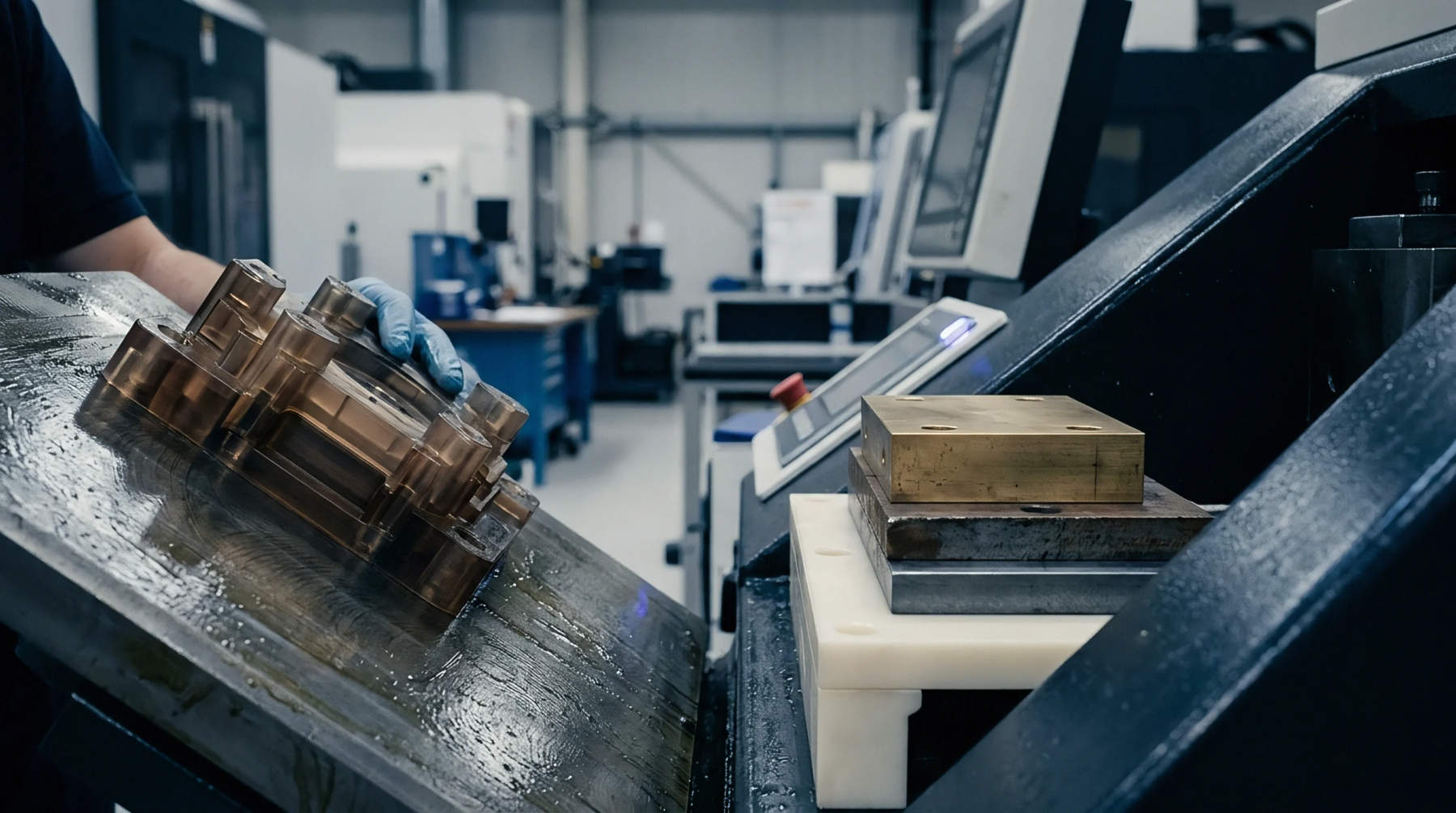
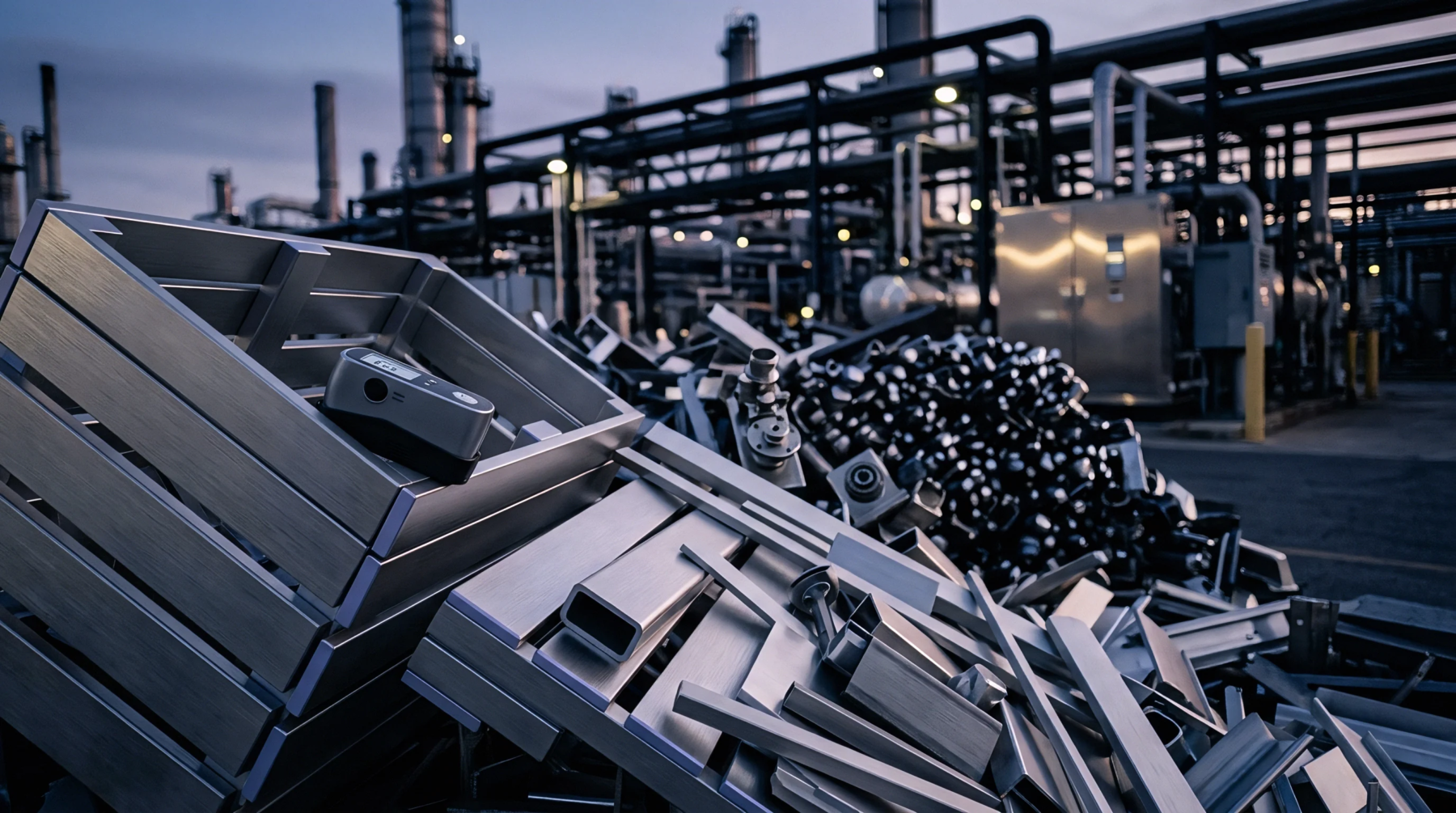
Commercial contracts for raw material feedstocks, long-term power delivery and transport logistics undergo cancellation or settlement negotiations. Processing machinery is either relocated to lower-cost corporate production sites, sold at industrial auction to third-party processors or dismantled and cut for scrap metal. Dismantling operations remove hazardous structural elements like asbestos and lead paint, while environmental remediation technicians execute groundwater and soil cleanup under statutory oversight.
Supply Adjustment
Capacity retirements tighten regional market supply, reallocating regional trade flows to newer or more efficient manufacturing installations. Downstream industrial buyers alter procurement pipelines, re-qualifying alternative suppliers to secure necessary industrial feedstocks. Fixed asset write-downs during shutdowns reflect unrecoverable historical capital investments.