Berth Bottleneck
Operational vessel backlogs, terminal equipment breakdowns and labor deficits generate maritime supply chain delays that threaten physical delivery schedules. These complex logistical bottlenecks constitute port congestion risk, threatening scheduled transit windows across marine loading and discharge facilities. Ocean freight operations absorb financial losses when container vessels remain immobilized at anchor awaiting terminal access.
Logistics managers model these marine delays to prevent cargo hand-off failures at multimodal intermodal transfer yards. The exposure remains concentrated within primary deep-water terminals that handle heavy seasonal imports or operate near total crane capacity.
Congestion Dynamics
Vessel arrival bunches, terminal chassis shortages and customs processing friction compound to generate systemic port congestion risk across coastal logistics hubs. Harbor masters and marine terminal operators track anchorage wait times to balance vessel queue sequencing against dockside labor availability. Container dwell times expand rapidly as off-dock warehouses exceed physical storage limits, preventing trucks from offloading inbound boxes.
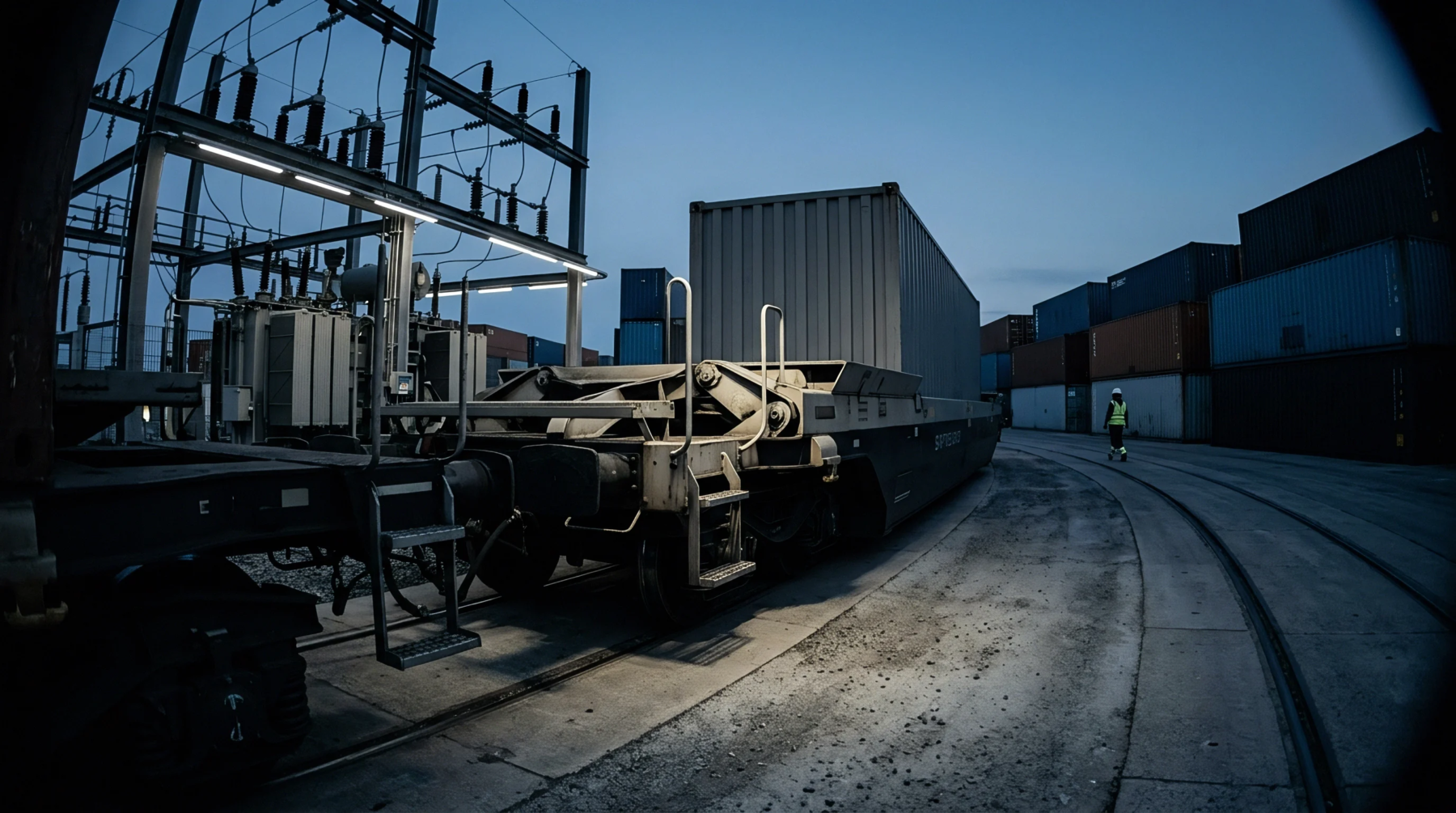
Ocean shipping lines initiate emergency contingency measures, skipping scheduled port calls or offloading freight at alternative regional deep-water facilities. Drayage carriers face extensive gate delays, lowering asset productivity while raising detention and demurrage liabilities for receiving cargo owners. Port authorities alter gate scheduling systems and expand inland rail transfer operations to clear container yard bottlenecks during high-volume periods.
When local landside transport networks fail to absorb arriving ocean freight, terminal yards become gridlocked, multiplying vessel delays at harbor anchorages.
Commercial Impact
Delayed vessel turnarounds raise operational costs across interconnected supply chain networks, eroding product margins on time-sensitive cargo. Persistent port congestion risk compels inventory planners to extend manufacturing safety stocks and lengthen baseline customer lead times. Shippers absorb severe financial penalties through line-item congestion surcharges imposed unilaterally by container carriers to offset vessel idling expenses.
Importers struggle with elevated container detention bills when chassis shortages prevent empty boxes from returning inside permitted free time allowances. Supply chain resilience initiatives shift cargo volumes toward secondary maritime terminals when sustained port gridlock threatens overall operational performance.