Climate Periodicity
Operational pauses in cargo handling and transit schedules constitute seasonal weather delays. These interruptions occur when atmospheric conditions exceed defined safety tolerances for equipment or personnel. The term seasonal weather delays functions as a measurement of recurring variance in supply chain velocity rather than an absolute indicator of port throughput capacity.
It governs the documentation of non-performing time periods attributed to predictable environmental phenomena such as hurricane cycles or extreme winter frost. The boundary of this metric stops where mechanical equipment failure or port congestion unrelated to environmental volatility begins. This designation requires strict evidentiary support from regional meteorological stations to qualify for contractual force majeure claims between shippers and terminal operators.
Environmental Impact
Logistics managers track seasonal weather delays to calibrate buffer stocks within distribution networks. Increased transit duration forces adjustments to inventory replenishment cycles to protect against stockout events. When extreme conditions persist, carriers reorganize maritime routes to circumvent high-risk oceanic zones.
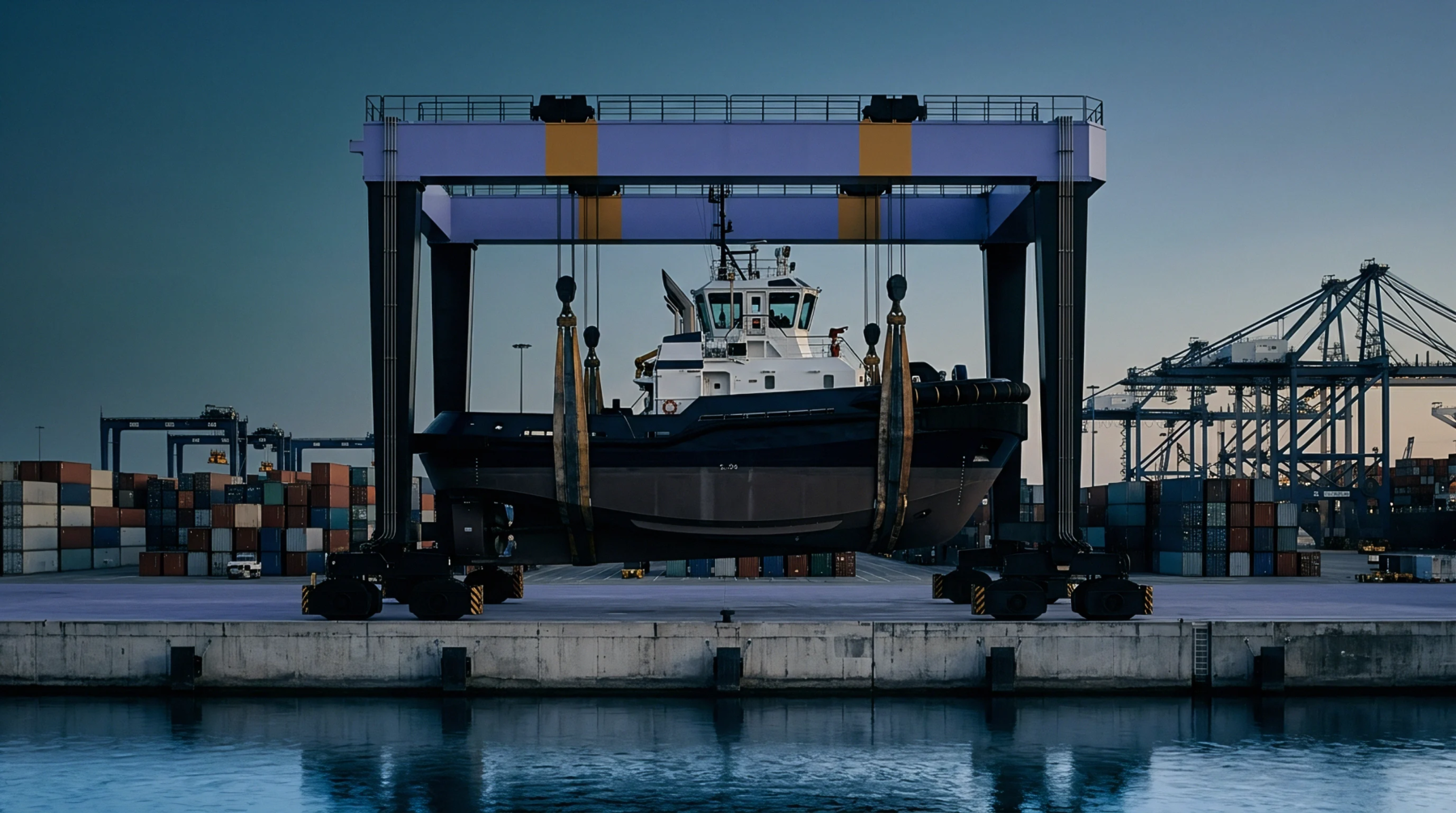
This shift in pathing carries additional fuel consumption and scheduling costs that weigh against the risk of hardware damage. Port authorities implement closure protocols when wind speeds or wave heights reach thresholds that threaten gantry crane stability or berthing alignment. Decisions regarding these actions rely on proprietary data models that simulate local maritime and terrestrial stresses.
Cargo owners evaluate the frequency of these closures to assess the reliability of specific freight corridors over annual cycles. Accurate historical logs of these interruptions support insurance premiums and long-term infrastructure investment choices by identifying persistent bottlenecks in global trade lanes.
Economic Calculation
Financial analysts review the cost of seasonal weather delays to derive a risk-adjusted price for capacity across high-exposure shipping routes. These costs include idle vessel time, redirected inland haulage, and storage fees at regional hubs. Market participants use these figures to distribute freight volume away from vulnerable infrastructure during peak hazard months.
Persistent interruption patterns drive the selection of alternative transport modes that maintain consistency despite external atmospheric shifts. Reliable mitigation of these risks depends on the quality of predictive models utilized by commercial logistics departments. Future demand for port expansion depends on how frequently these events force traffic into terrestrial networks.