Operational Cadence
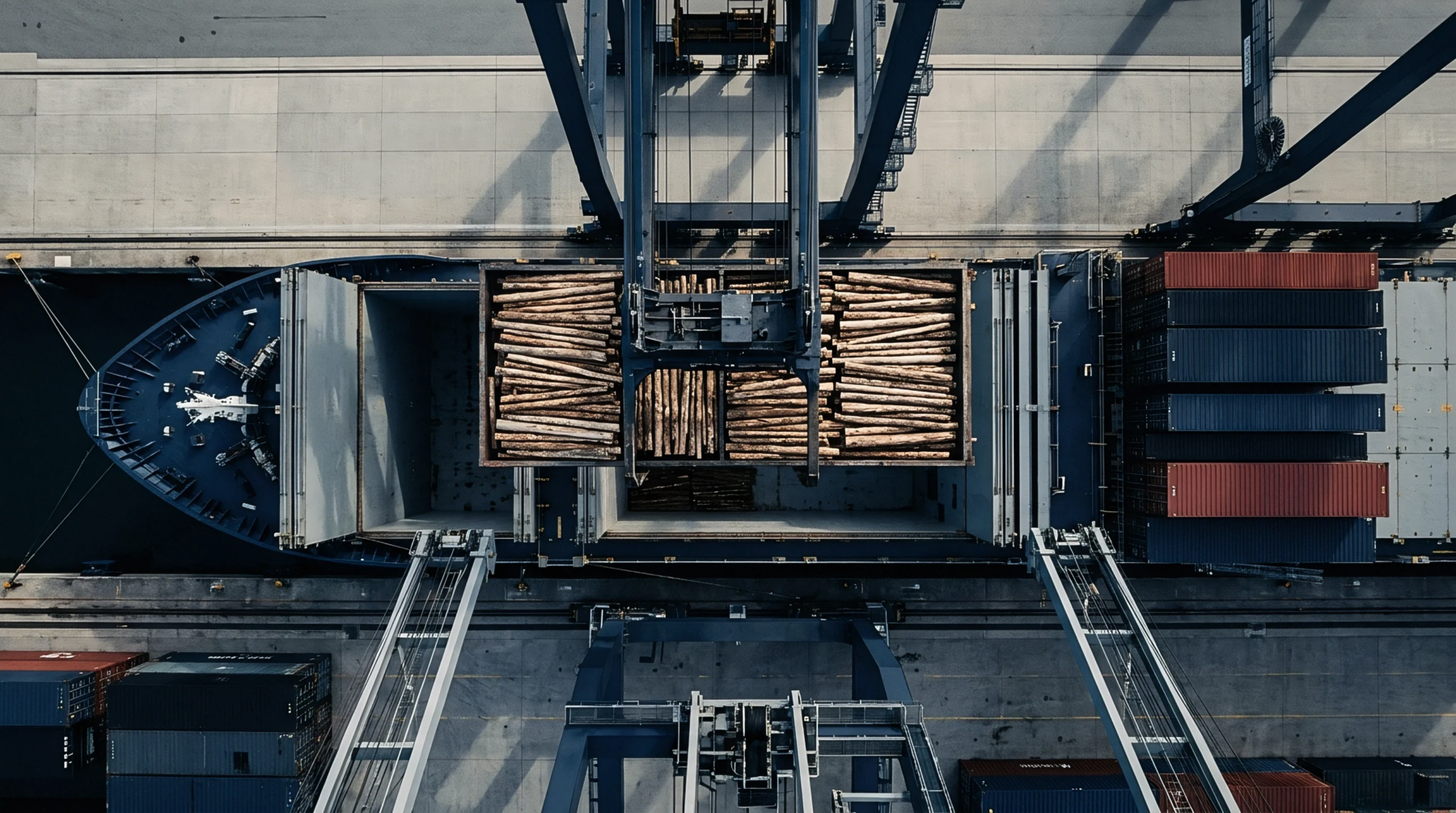
Handling freight inside maritime or intermodal nodes requires rigorous physical coordination because terminal operations dictate the actual throughput velocity of global supply chains. Cargo transfer relies on precise equipment scheduling, yard management efficiency and continuous labour deployment across designated berthing zones. Trade reporters track these movements on a weekly basis through dwell time metrics and container move counts per crane hour.
Port authorities measure yard density as the primary proxy for landside congestion, distinguishing actual vessel turnaround delays from customs clearance bottlenecks. Equipment availability reports undergo continuous revisions as maintenance logs update, separating unserviceable gantry assets from active handling lines.
Throughput Economics
Financial accounting within port facilities calculates revenue generation through gate fees, storage charges and handling tariffs applied per twenty foot equivalent unit. Operating margins depend on crane productivity ratios and truck turnaround speed because idle machinery destroys terminal profitability very quickly. Analysts monitor labor cost per moved container as a quarterly financial indicator to evaluate facility efficiency against regional benchmarks.
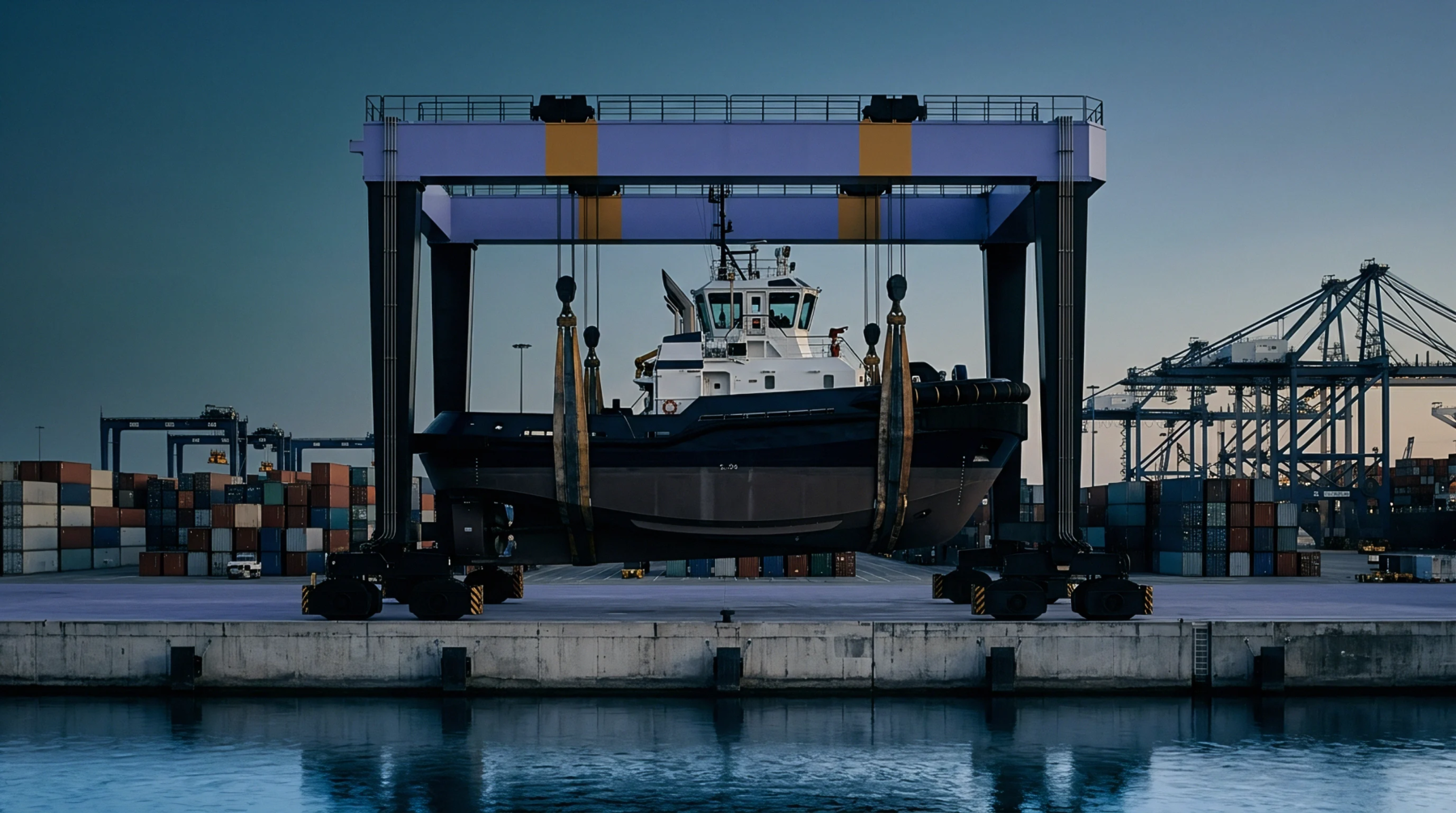
Fixed asset depreciation on ship to shore cranes and heavy reach stackers represents the largest capital expenditure burden carried by port operators. Pricing models separate landside dwell charges from maritime stevedoring fees to isolate where margin leakage occurs during demand surges.
Capacity Constraints
Berth allocation limits physical expansion when channel depth or quay length restricts ultra large container vessel access during peak tidal windows. Regulatory compliance regarding environmental emissions forces operators to electrify rubber tyred gantry cranes, shifting capital allocation toward zero emission yard equipment. Local municipal zoning laws restrict nocturnal truck movements, creating artificial capacity bottlenecks that operators must mitigate through extended gate hours and advanced appointment systems.
Supply chain shocks alter yard stacking strategies rapidly, forcing operators to relocate empty containers to off site depots to preserve active handling space for import boxes. Physical land availability remains the ultimate boundary condition for port expansion, determining the absolute maximum cargo volume any facility can process annually.