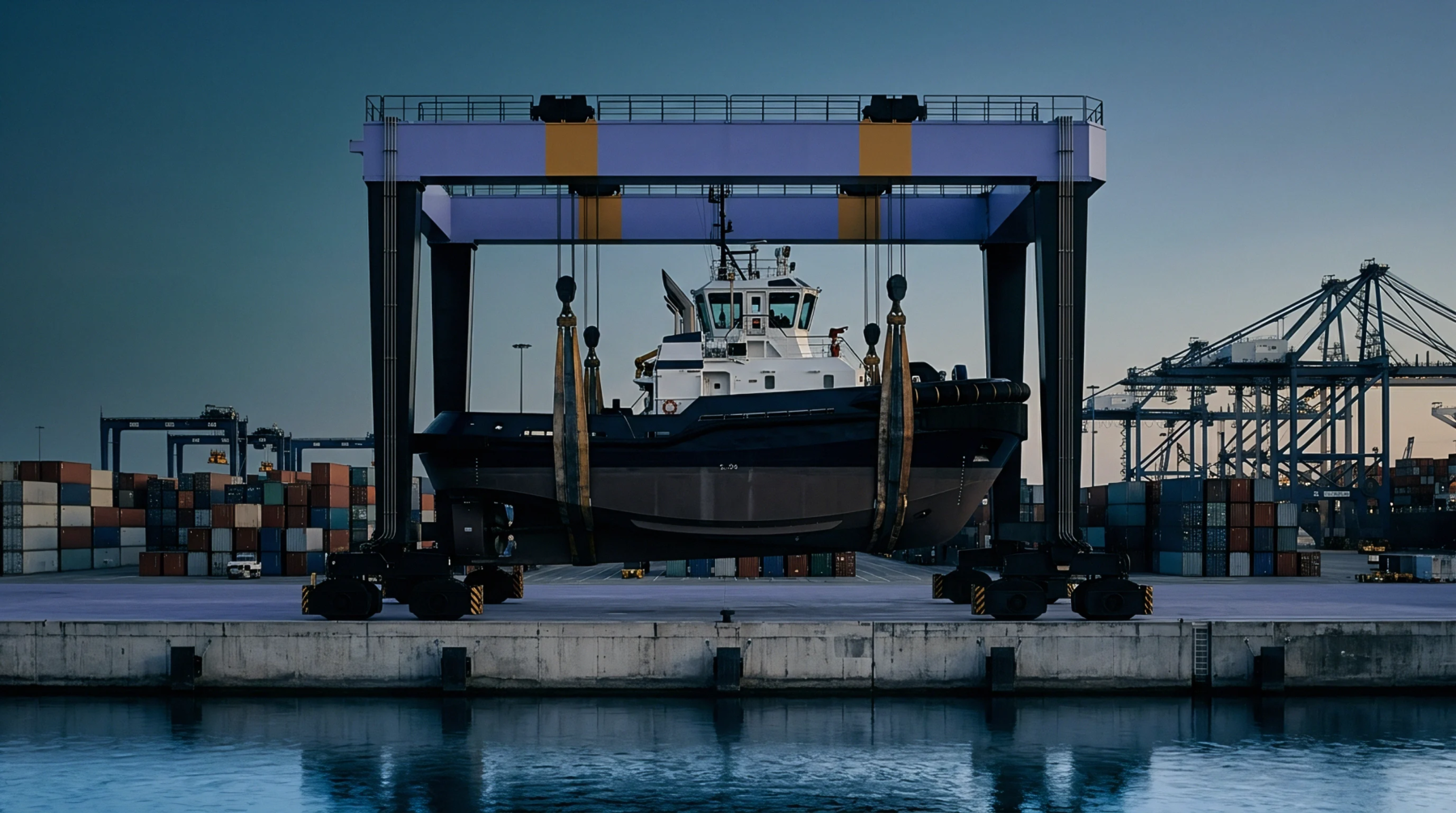
Queue Bottleneck
Intermodal congestion designates a systemic paralysis occurring where freight transfers between maritime vessels, railcars and trucks at inland and coastal terminals. Physical handling capacity drops below prevailing cargo volume because drayage operators face gate delays and equipment shortages. Equipment shortages compound these terminal blockages when ocean containers remain ground-stacked for excessive periods.
Terminal operators track this friction through dwell time metrics and container turnaround velocity. Shippers experience this friction as extended transit times and escalating storage fees across major trade lanes.
Carrier Impact
Ocean carriers absorb schedule reliability losses while vessels wait offshore for berth space to materialize. Rail operators respond to terminal gridlock by metering inbound train traffic at distant marshaling yards. Marshaling yards accumulate surplus railcars because receiving facilities lack the chassis availability required for unloading containers.
Logistics managers monitor weekly rail velocity reports to anticipate equipment deficits before detention charges accumulate. Contract negotiations increasingly incorporate congestion surcharges to hedge against unexpected terminal holding costs.
Market Consequence
Spot freight rates surge upward when cargo movement stalls inside major container yards. Beneficial cargo owners absorb these rate spikes through higher landed costs for imported components and finished goods. Inventory planners adjust safety stock levels upward to buffer supply chains against unpredictable terminal clearance delays.
Regional distribution centers alter labor scheduling when inbound container arrivals bunch together after yard operators clear backlogs. Market analysts evaluate terminal throughput efficiency to distinguish permanent trade growth from temporary operational blockages.