
New Export Rules Restrict Battery Black Mass Forcing Domestic Sales
Sourcing teams must buy US-made battery salts as export limits retain black mass for domestic processing.
Sourcing teams must buy US-made battery salts as export limits retain black mass for domestic processing.
Mid-tier printed circuit board prices are rising as a major Middle East feedstock disruption triggers supplier allocations.

Buyers must secure certified polymer and textile supply chains before the October 31 ban on PIP 3-1 takes effect.
Buyers must replace fluorine-treated packaging grease barriers to avoid customs rejections across European borders.

The twelve-month postponement of EUDR deforestation rules gives procurement teams extra time to organize traceability records.
A 30 percent Resonac hike and record CCL import prices pressure electronics supply chains, making quote verification vital.

A major outage in Qatar has removed a third of global helium, doubling prices and forcing limits on wafer production.

Record-low warehouse stocks and Gulf supply cuts force aluminum buyers to absorb high spot premiums and brace for tight supply.
China's sulfuric acid export ban removes 4.6 million annual tons, forcing buyers to expect severe industrial cost hikes.

China's temporary export control suspension for graphite and battery materials expires in November, ending licensing relief.

Buyers must renegotiate supply contracts to align with newly mandated price floors for imported polysilicon and wafers.

Tightening Chinese tungsten export quotas force semiconductor and aerospace buyers to secure alternative high-purity feedstocks.

China's new silver export licensing and whitelist restrict supply to forty-four companies, raising procurement prices.

Industrial buyers must purge long-chain perfluorocarboxylic acids from shipments to Japan before the November import ban.

Qualify equivalent laminates and release orders early as AI demand squeezes standard FR-4 and copper-clad laminate supplies.

Indonesia cuts approved mining quotas by 30 percent, flipping the global nickel market from a massive surplus to a deficit.

Congo is capping annual cobalt exports at 96,600 tonnes, driving material prices to 26 dollars per pound for industrial buyers.
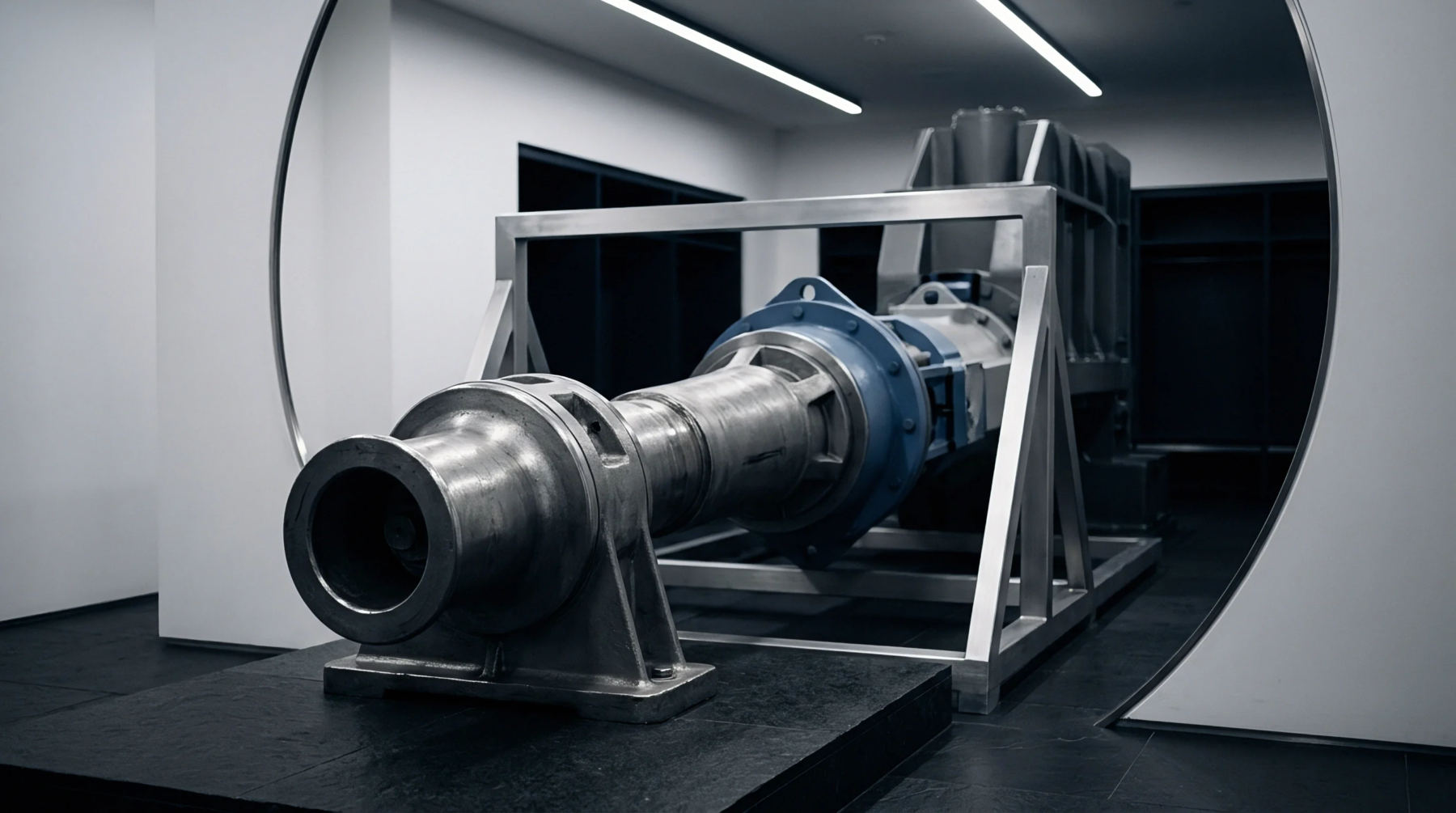
Western germanium prices reach a 130 percent premium as Chinese export controls squeeze semiconductor and fiber optics supply.

With 43 new Chinese firms blacklisted, buyers must immediately audit aluminum and copper supply chains to avoid border seizures.
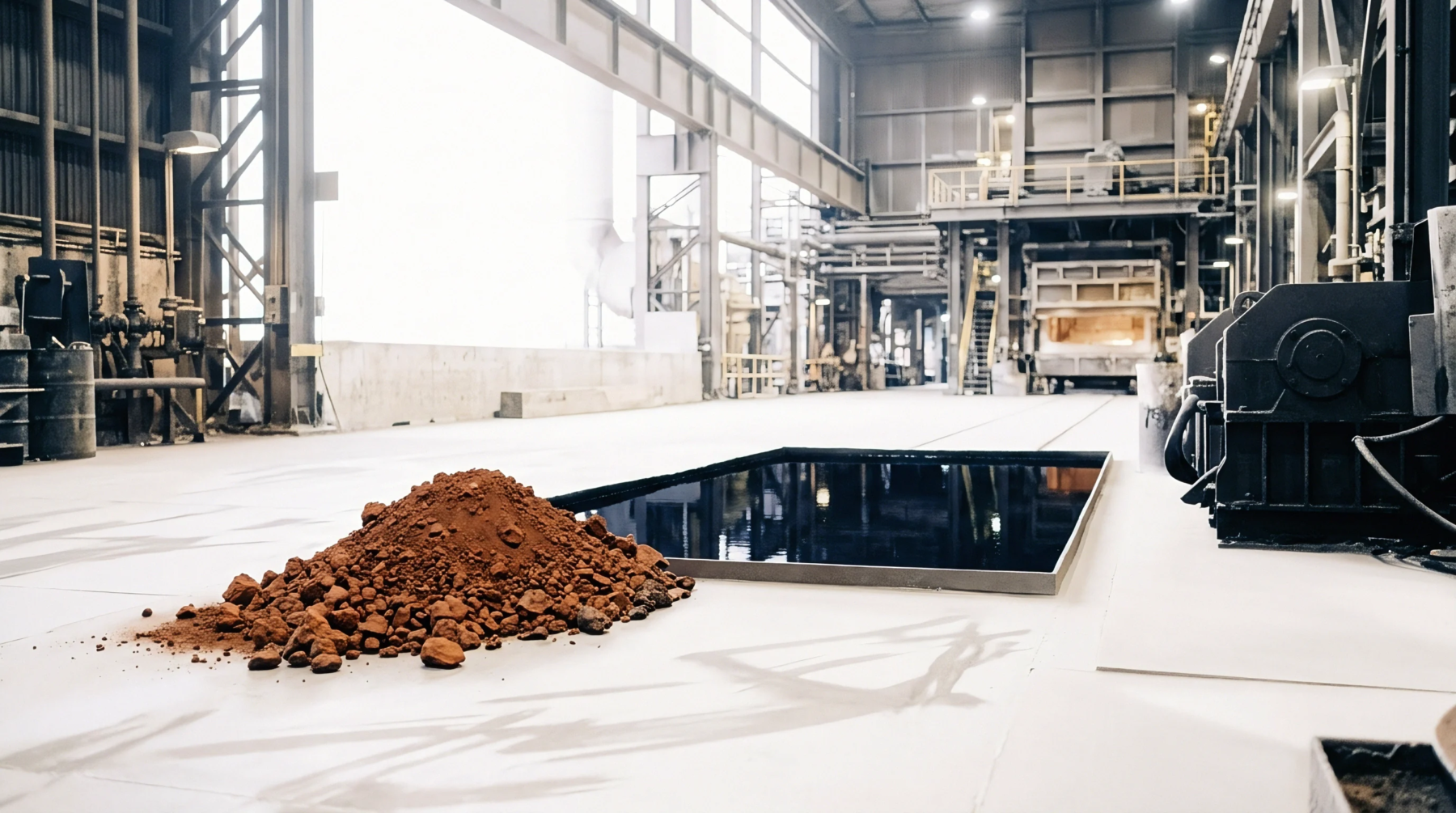
Aerospace and defense buyers must trace mineral origins down all supply tiers before a hard waiver cutoff on January 1, 2027.

Active EU packaging rules force buyers to secure chemical testing and compliance files for all imported goods.

Higher neopentyl glycol and hexanediol pricing from BASF will increase polyester resin and industrial coatings contract rates.

European polypropylene spot prices rise to €2,080 per tonne as shipping disruptions drive a feedstock shock.

Buyers must secure certificates of compliance to guarantee apparel and fabrics contain less than 0.1 percent PIP chemical.

Sourcing teams must prepare for higher advanced packaging costs as T-glass price hikes extend substrate lead times.
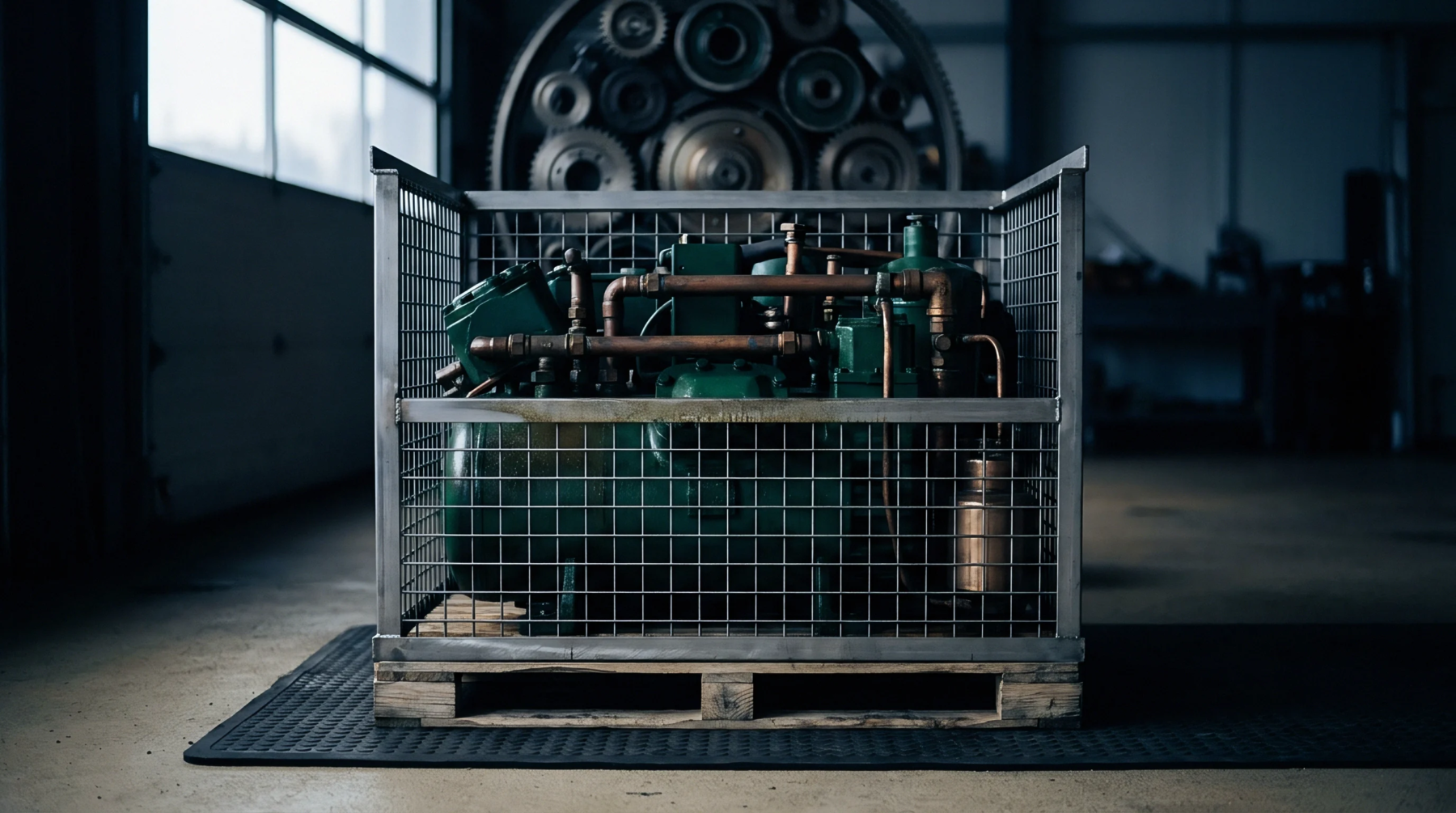
Smelters paying miners for feedstock will limit refined copper output, driving prices toward a projected 14,800 dollars.
Buyers face extended mill lead times up to 52 weeks and must qualify alternative suppliers to protect schedules.

Kiln closures and export tax policy changes in China drive magnesium oxide board production costs up eighteen percent.

Global price increases of 10 to 20 percent on carbon fiber composites force buyers to renegotiate aerospace and wind contracts.

Restricted exports start September 15 forcing buyers to diversify sources for flame retardants and semiconductors immediately.
Expertise is a utility, not a secret. sentiention™ publishes its working knowledge as open reference: intelligence layer covering the materials it sources, the markets it enters, and the reference that serves both.