Freight Flow
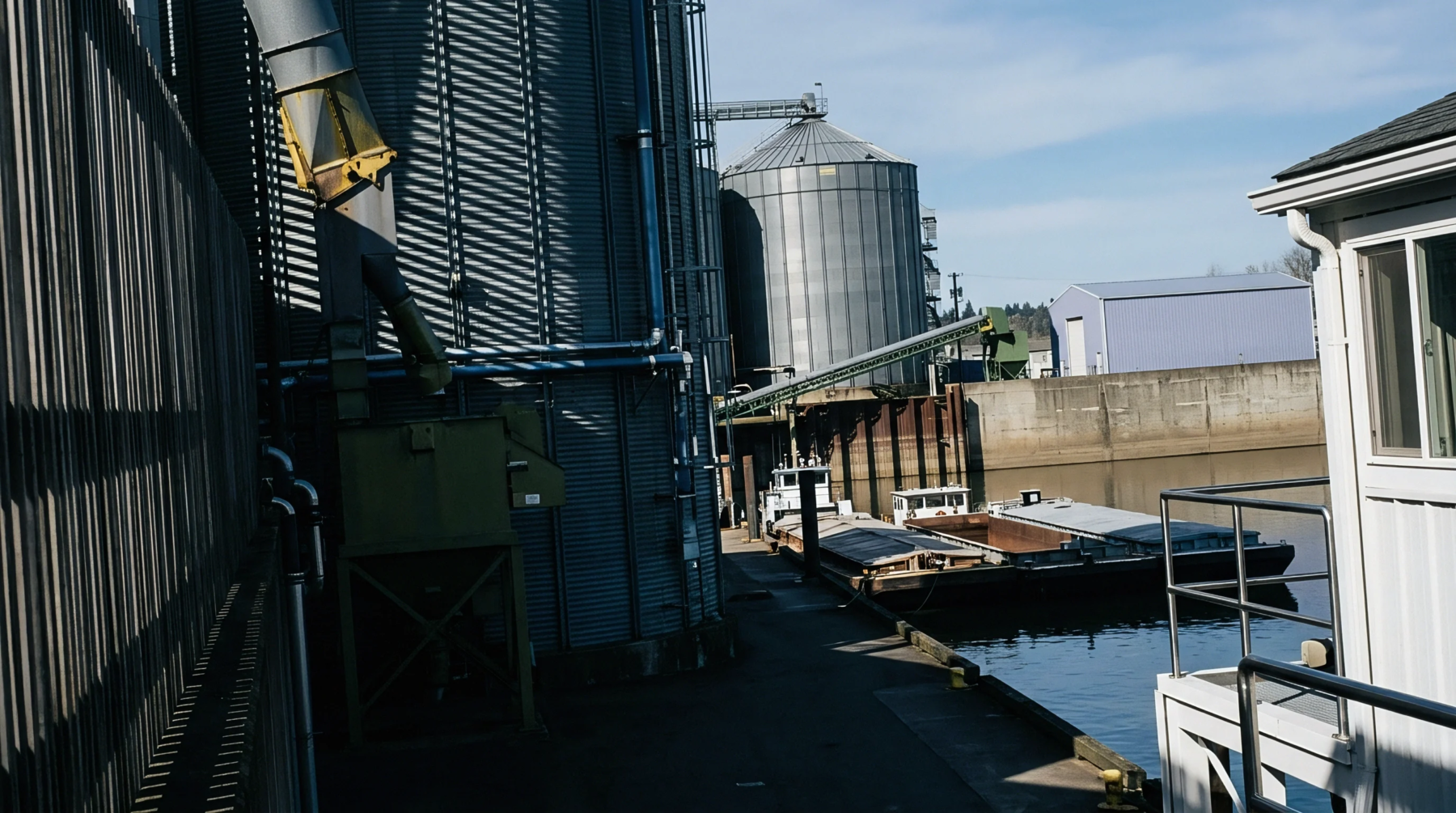
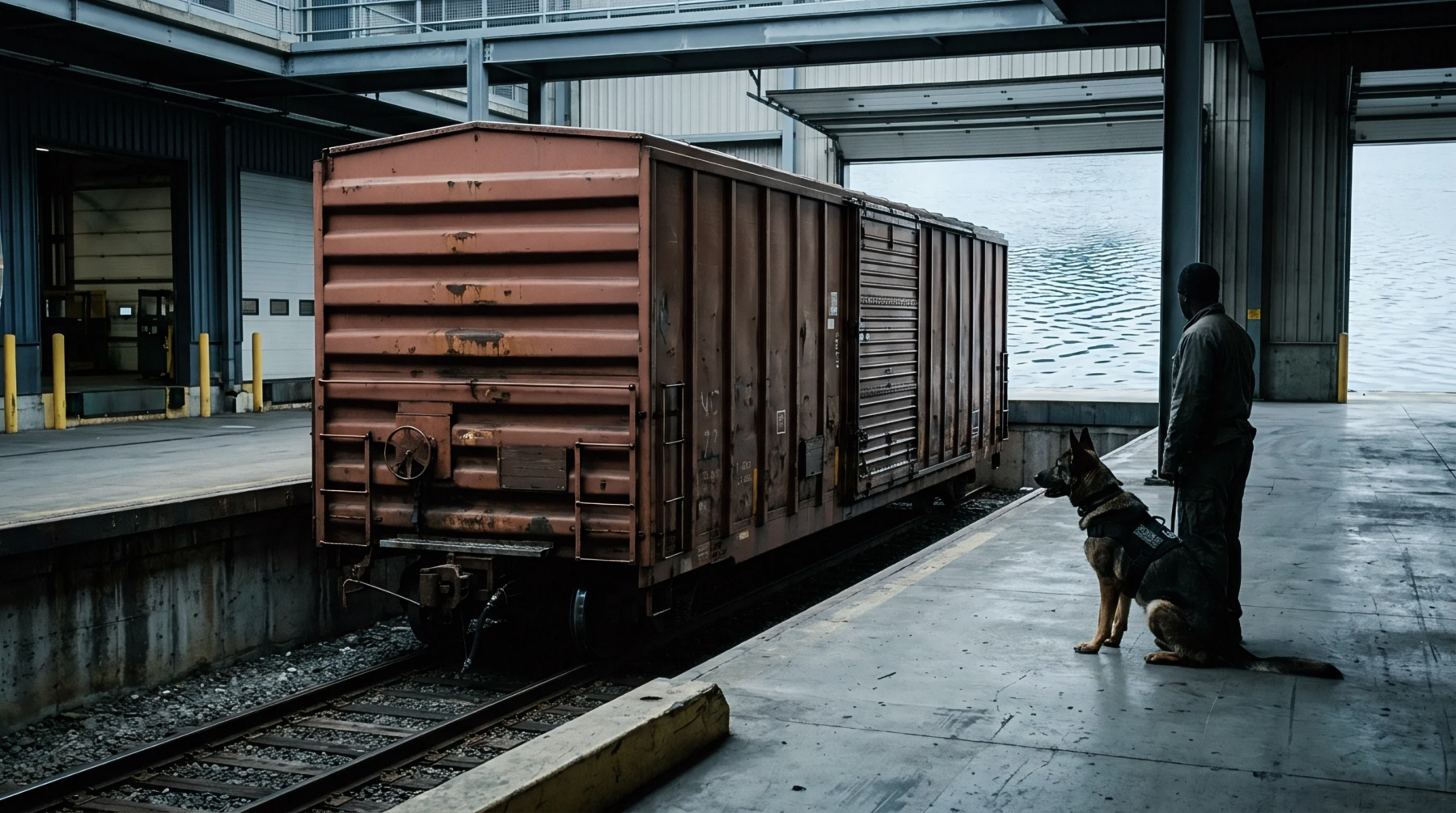
Movement of commercial cargo across multiple distinct modes of transit happens under intermodal transport without handling the physical freight itself during transfer. Standardized metal containers hold the shipment from the originating warehouse to the final destination while shifting between maritime vessels, railcars, and heavy trucks. Operators rely on specialized handling equipment to hoist sealed boxes between vehicle chassis without opening the cargo doors.
Intermodal transport reduces cargo damage claims by keeping shipments enclosed inside a single protective steel shell throughout the entire journey. Haulers calculate total transit times by adding individual modal segments together alongside terminal transfer delays. Monthly volume reports track twenty-foot equivalent units moving through major inland rail ramps to measure shifts in global supply chain demand.
Carrier Economics
Fixed asset costs dictate pricing strategies for rail networks and ocean liners participating in long distance container moves. Fuel price fluctuations alter line haul tariffs more than short distance drayage rates because locomotives and container ships consume heavy bunker fuel or diesel in vast quantities. Empty container repositioning creates persistent financial friction when trade imbalances leave boxes stranded far from export hubs.
Shippers evaluate cost per ton mile against delivery speed requirements before committing cargo volumes to rail corridors or highway networks. Container terminal operators charge demurrage fees when boxes remain stack parked beyond allotted free time limits, penalizing slow clearance cycles.
Terminal Bottlenecks
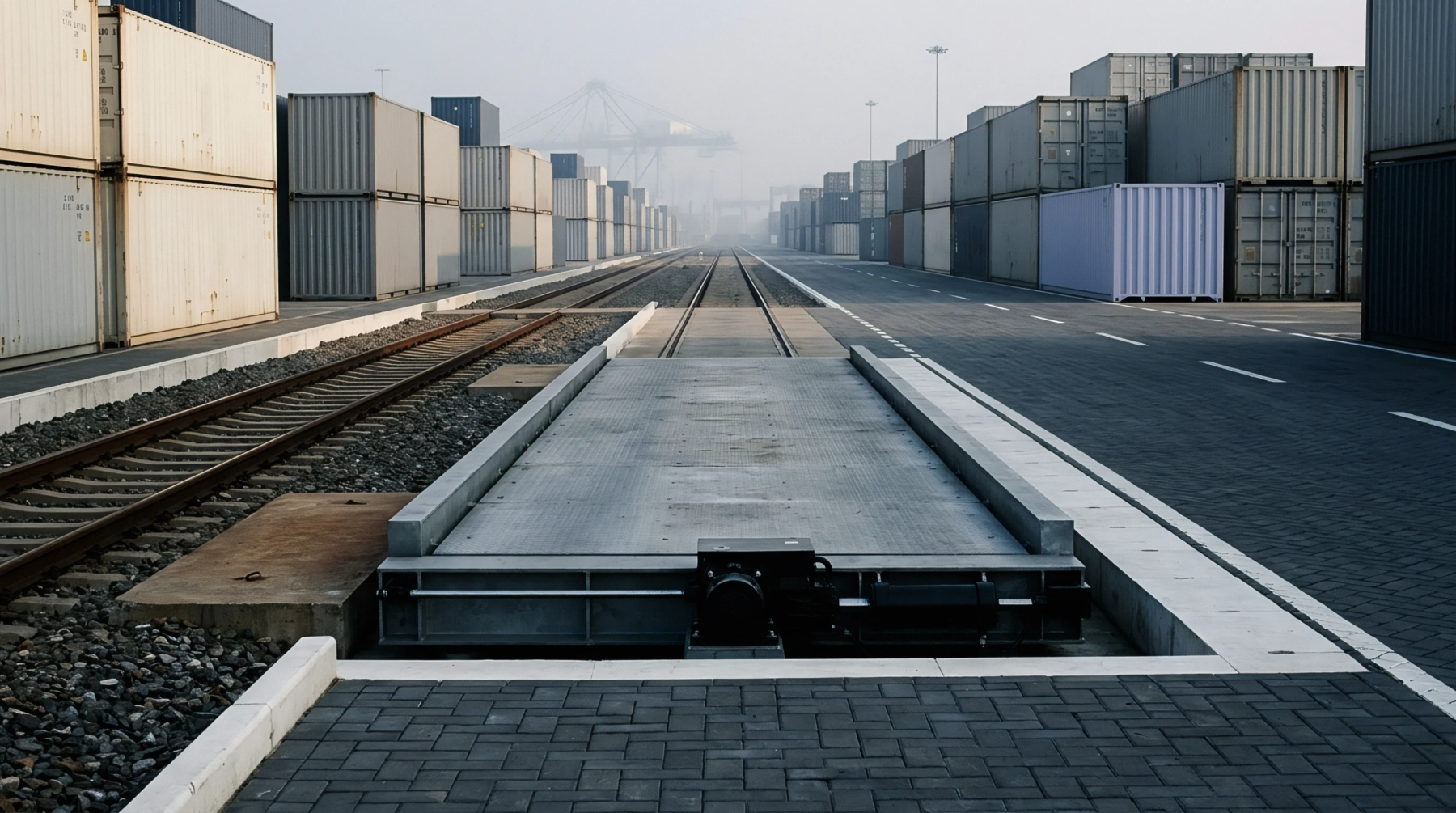
Congestion at intermodal transfer points restricts throughput capacity across entire regional logistics networks. Gate automation speeds up truck turnaround times by using optical character recognition cameras to log container identification numbers instantly. Cranes lift heavy boxes between rail flatcars and chassis on strict schedules, leaving little margin for mechanical failure or labor shortages.
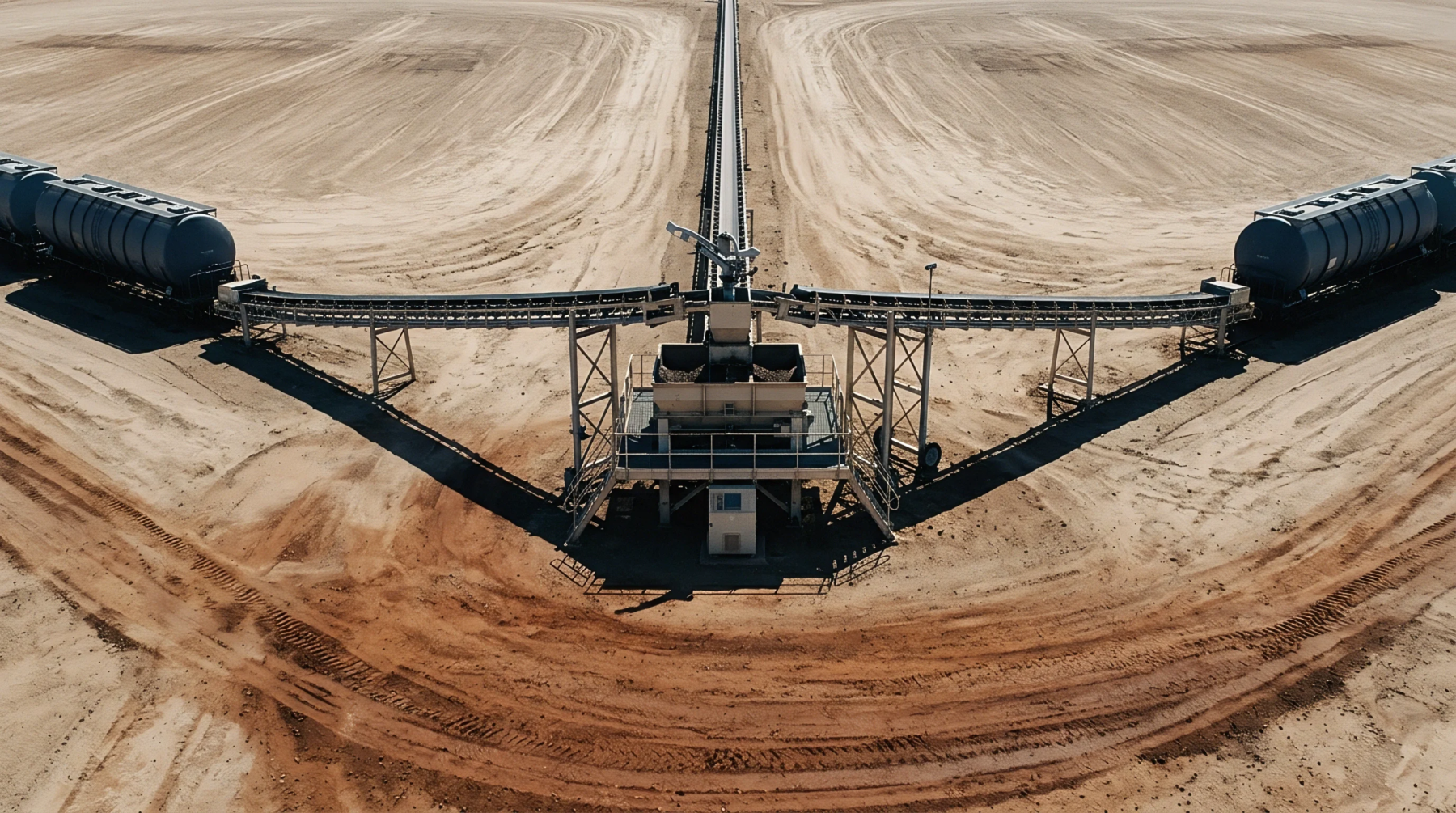
Port authorities monitor dwell times to prevent yard gridlock from spilling over onto arterial highway connections. Regulatory weight limits restrict total load capacities on highway drayage legs, forcing operators to transload heavy shipments before reaching final delivery points.