
Qatar Helium Shortage Forces Electronics Buyers to Secure Supply Agreements
A major outage in Qatar has removed a third of global helium, doubling prices and forcing limits on wafer production.
A major outage in Qatar has removed a third of global helium, doubling prices and forcing limits on wafer production.

Record-low warehouse stocks and Gulf supply cuts force aluminum buyers to absorb high spot premiums and brace for tight supply.

A tentative labor pact at South Korea's largest carmaker averts further supply disruption but locks in higher wages.
Typhoon congestion and blank sailings push transpacific spot rates up twelve percent, tightening open vessel space.
With 43 new Chinese firms blacklisted, buyers must immediately audit aluminum and copper supply chains to avoid border seizures.

Kiln closures and export tax policy changes in China drive magnesium oxide board production costs up eighteen percent.

Global price increases of 10 to 20 percent on carbon fiber composites force buyers to renegotiate aerospace and wind contracts.

Unplanned factory shutdowns in China have raised propylene costs, forcing chemical exporters to increase n-propanol spot offers.

Rayonier's Témiscaming plant shutdown under new U.S. tariffs removes substantial paperboard and pulp capacity.

Middle East airspace shocks force a reversal in air cargo contract forecasts, driving buyer rates up to fifteen percent higher.

A stalled Chinese mine restart drives a lithium price forecast upgrade, requiring buyers to adjust battery price estimates.

EU-China post-Brexit tariff quota adjustments will trigger higher duties on industrial imports earlier in the fiscal cycle.

Buyers must secure alternative suppliers for European-bound beef and poultry due to Brazil's exclusion from the EU approved list.
Imminent rail shutdowns in Canada force container diversions and increase dwell times at major North American entry points.

Buyers face immediate invoicing increases of up to 150 dollars per container as fuel surcharges spread across global routes.

Shipments lack valid Bureau of Indian Standards markers will face customs rejection and clearance delays at the border.

A Teamsters strike at Cargill's Newark plant halts 500,000 tons of annual sea salt production, forcing regional supply switches.

Importers face 50 percent duties on certain Canadian goods, while US exports encounter dollar-for-dollar retaliatory tariffs.
Six months of the Hormuz deadlock leaves four hundred ships stranded, sustaining elevated cargo costs and supply risks.
Declining Chinese yellow phosphorus export quotas force price increases for downstream chemical and electronics materials.

Water limits at the Panama Canal will restrict Neopanamax vessel payloads and reduce available slot capacity in September.

Sourcing teams should expect tight regional supply and potential upward price pressure on platinum and palladium alloys.
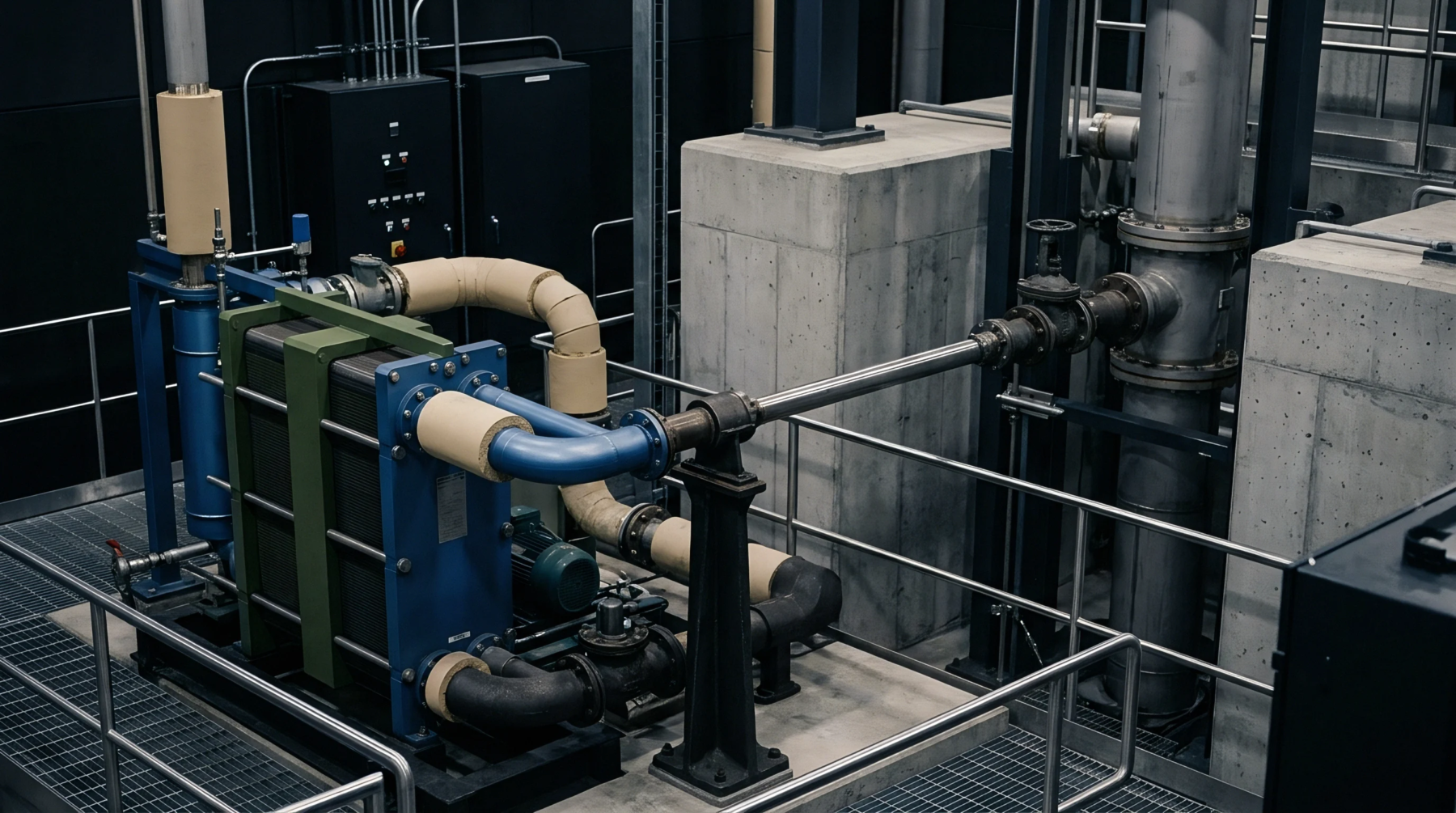
Geopolitical disruption and feedstock inflation trigger a massive wave of chemical price hikes effective September 1, 2026.

Dow raised April and May polyethylene prices by fifty cents per pound, doubling resin costs for packaging buyers.

Transpacific spot rates approach historic peaks as Middle East transit closures squeeze global container shipping capacity.

Government stockpiling will isolate 71% of global copper reserves, driving spot prices to historic highs.

Rising maritime expenses and route closures push the Drewry air cargo index to four dollars per kilo before peak season.
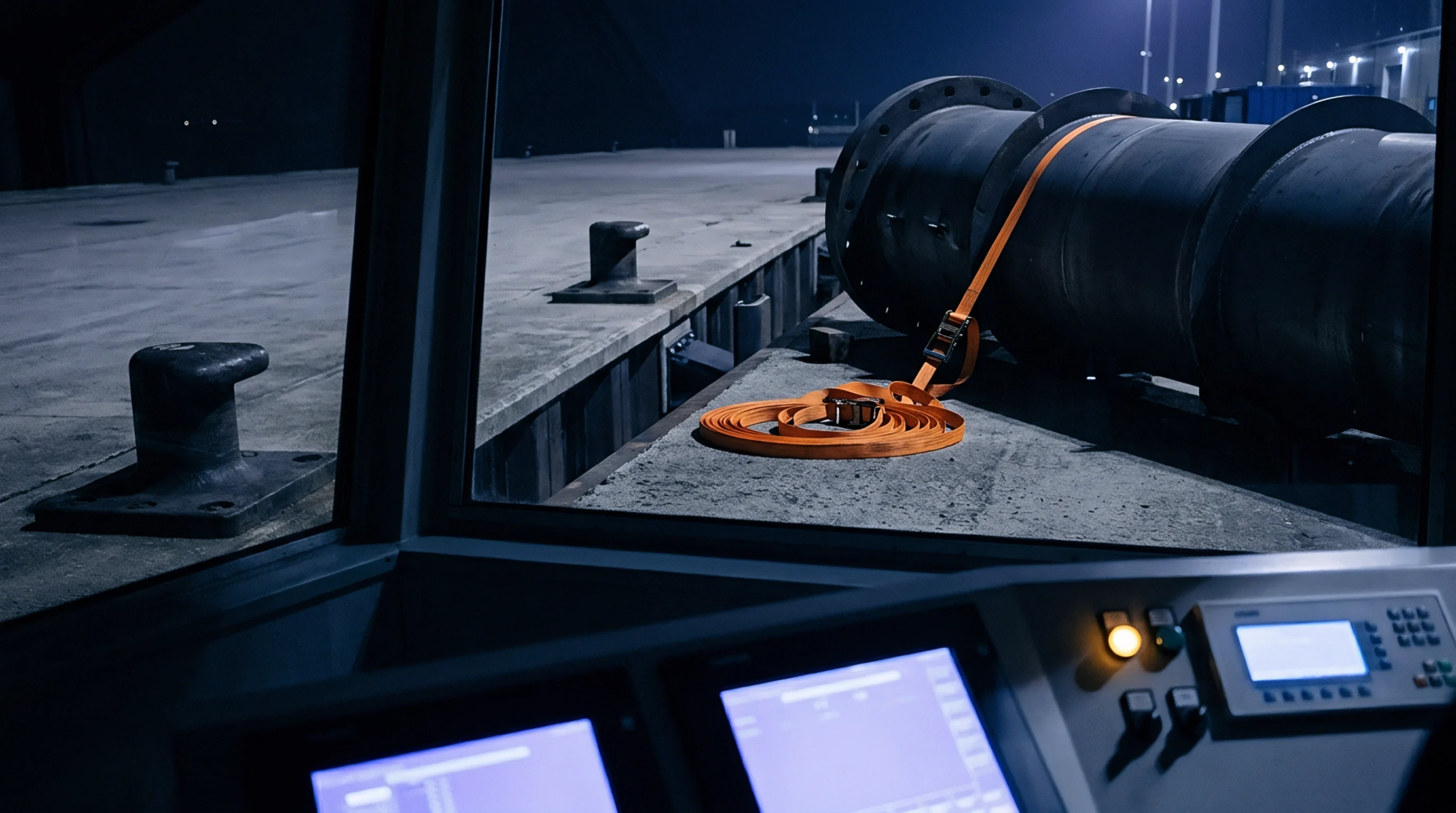
Severe Shanghai port congestion blockades post-holiday rate relief, forcing early bookings to avoid cargo rolls.
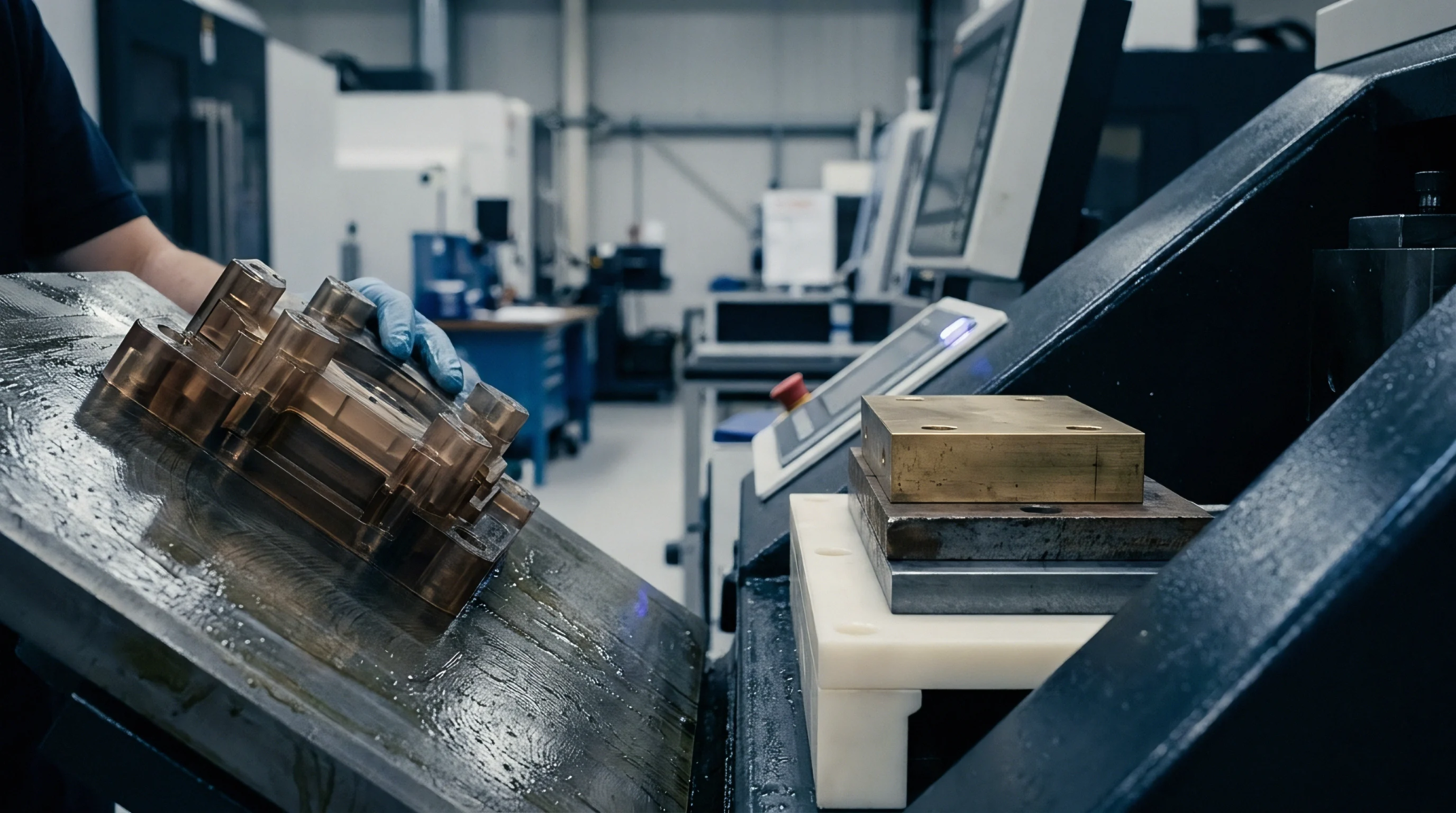
Discrete component lead times hit fifty-two weeks forcing buyers to secure alternative suppliers and absorb price hikes.

The Chapter 11 filing of UPG Enterprises requires steel buyers to monitor structural and flat-rolled supply continuity.
Expertise is a utility, not a secret. sentiention™ publishes its working knowledge as open reference: intelligence layer covering the materials it sources, the markets it enters, and the reference that serves both.