
China Whistleblower Program for Strategic Mineral Exports Increases Sourcing Scrutiny
China's new export whistleblower program forces buyers to tighten compliance and audit grey-market strategic mineral supply lines.

China's new export whistleblower program forces buyers to tighten compliance and audit grey-market strategic mineral supply lines.

The European Union mandates registration for imported acrylic esters, exposing buyers to retroactive chemical tariff risk.

Shipments lack valid Bureau of Indian Standards markers will face customs rejection and clearance delays at the border.

UK buyers of Chinese boom lifts must post financial guarantees for new duties of up to seventy-two percent.
Secure long-term contracts for general-purpose DRAM now to avoid projected price premiums and quarterly allocations.

Buyers see flame retardant costs rise as definitive duties up to sixty-one percent hit Chinese chemical exports.

US border detentions force buyers to expand labor audits to copper from Europe and garments from the Middle East.
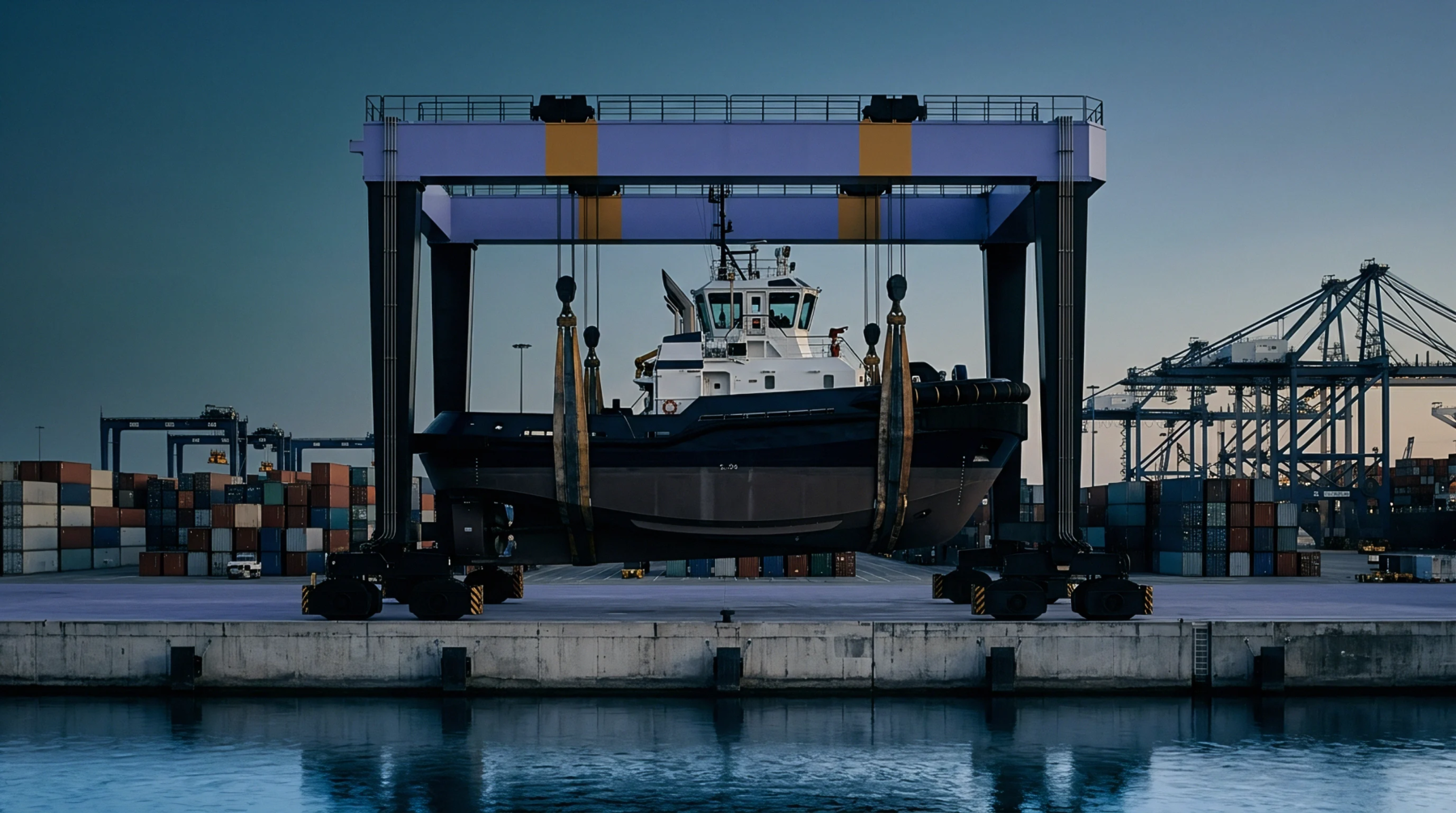
Chassis shortages and record import volumes at West Coast docks extend turn times and increase local trucking costs for buyers.
Middle East production halts force isocyanate price increases and require buyers to qualify alternative polymer sources.
Definitive EU duties on Chinese erythritol force immediate ingredient cost resets and regional supply chain transitions.

Low St. Lawrence River water levels trigger new vessel surcharges for European cargo moving to the Port of Montreal.

Electronics buyers must brace for longer lead times as sixty-four percent of manufacturers report limited materials.

New definitive duties up to 35.3 percent on Chinese EVs force importers to absorb costs or shift supply origins immediately.

UK steel import quotas face a 60 percent cut, forcing buyers to secure domestic contracts or face a 50 percent duty.

Trial production in Spain moves display manufacturing closer to European buyers, reducing transport times and tariff risks.

Surging global sulfur costs force Mosaic to idle its Louisiana phosphate plants, driving up fertilizer procurement costs.

A planned September fourth work stoppage in Dutch ports will suspend vessel handling and trigger regional cargo delays.

Procurement desks must prepare for BASF’s eight-cent nylon hike as feedstock shortages inflate polymer sourcing costs.

A potential deal to halve Canadian import tariffs drops the U.S. aluminum premium, reducing all-in delivery costs.

Sourcing teams can now import covered United States industrial goods duty-free by complying with strict non-preferential origin rules.
Procurement teams face sustained 3.00 dollar price floors as exchange inventories fall to levels unseen since May 2000.
US copper deficits will push average prices to twelve thousand dollars, requiring immediate long-term contract coverage.

AGC Chemicals proposes shutting its UK factory, forcing buyers of PTFE and fluoropolymers to find alternative suppliers.

Oversupply in China drops silicon prices to three-year lows reducing input costs for aluminum alloy and silicone producers.

Drought and mealybug infestations slash sugarcane and beet yields, prompting food buyers to lock in 2027 contracts early.
Importers must plan for longer lead times as a surge in empty return moves degrades terminal efficiency across Europe.

EU member states must legislate mandatory textile recycling fees, increasing garment sourcing costs based on material durability.

Stationery adhesives must now pass strict ASTM formaldehyde emission testing to avoid automatic border detention.
The activation of Section 338 duties adds massive costs to Canadian industrial and agricultural supply lines.

New Chinese rules ban recycled fiber in intimate and infant apparel, requiring buyers to verify material provenance per component.
Expertise is a utility, not a secret. sentiention™ publishes its working knowledge as open reference: intelligence layer covering the materials it sources, the markets it enters, and the reference that serves both.