
US Tariff Threat Drives Copper Prices to Record Highs
Traders hoarding metal in U.S. warehouses to avoid future tariffs are erasing the global surplus and raising costs.

Traders hoarding metal in U.S. warehouses to avoid future tariffs are erasing the global surplus and raising costs.

New American duties of ten to twelve percent on sixty trading partners demand an immediate audit of landed costs.

Inaccurate corporate registration data on customs filings will trigger immediate shipment blocks starting September 18.

Buyers importing carbon-intensive materials into Europe must now pay direct cash levies for embedded emissions.
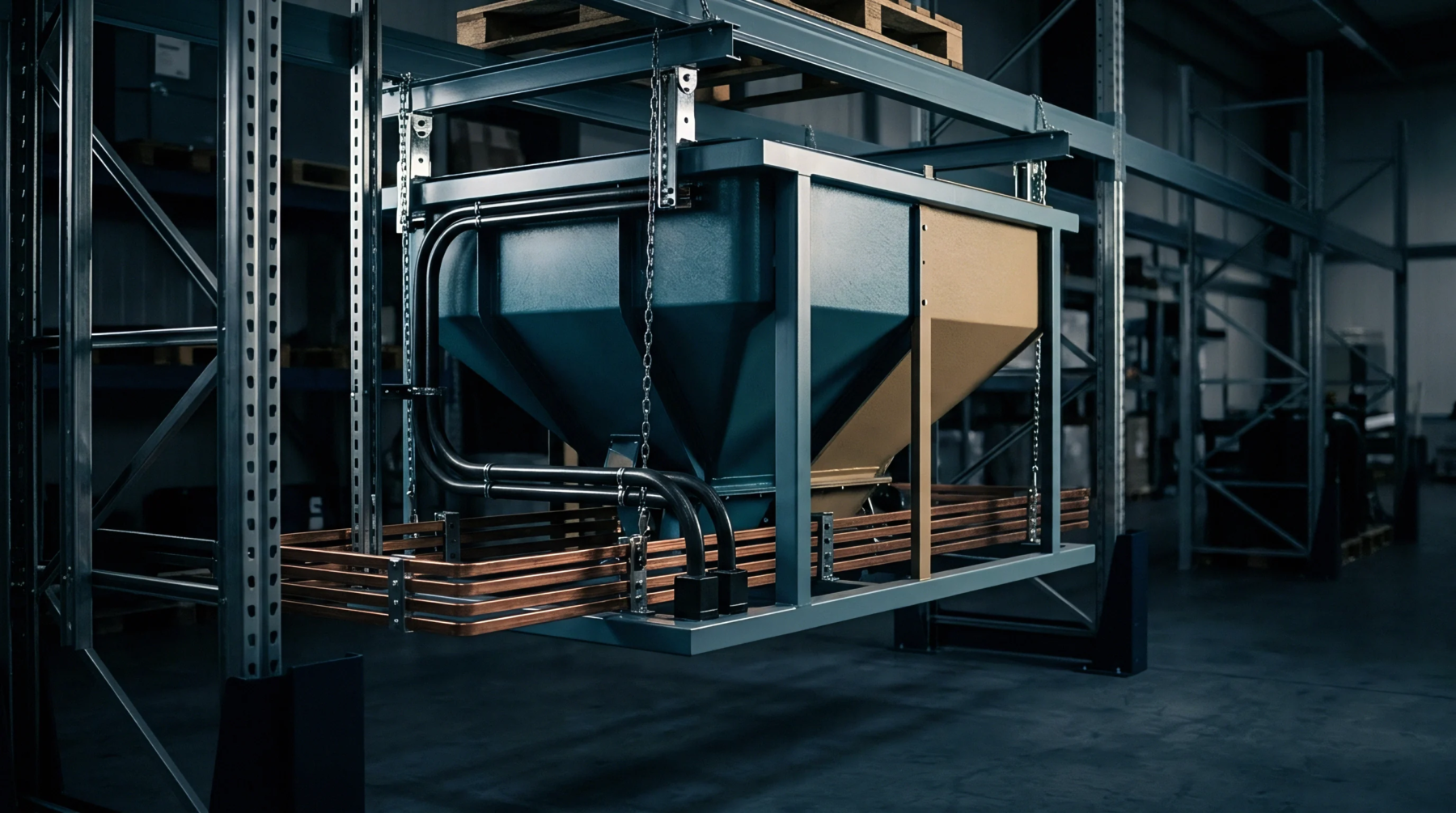
Buyers of polystyrene must secure alternative supply lines as high-cost US commodity chemical plants face permanent closure.

CATL's environmental approval withdrawal extends its mine shutdown, risking a shift from a lithium surplus to a deficit.
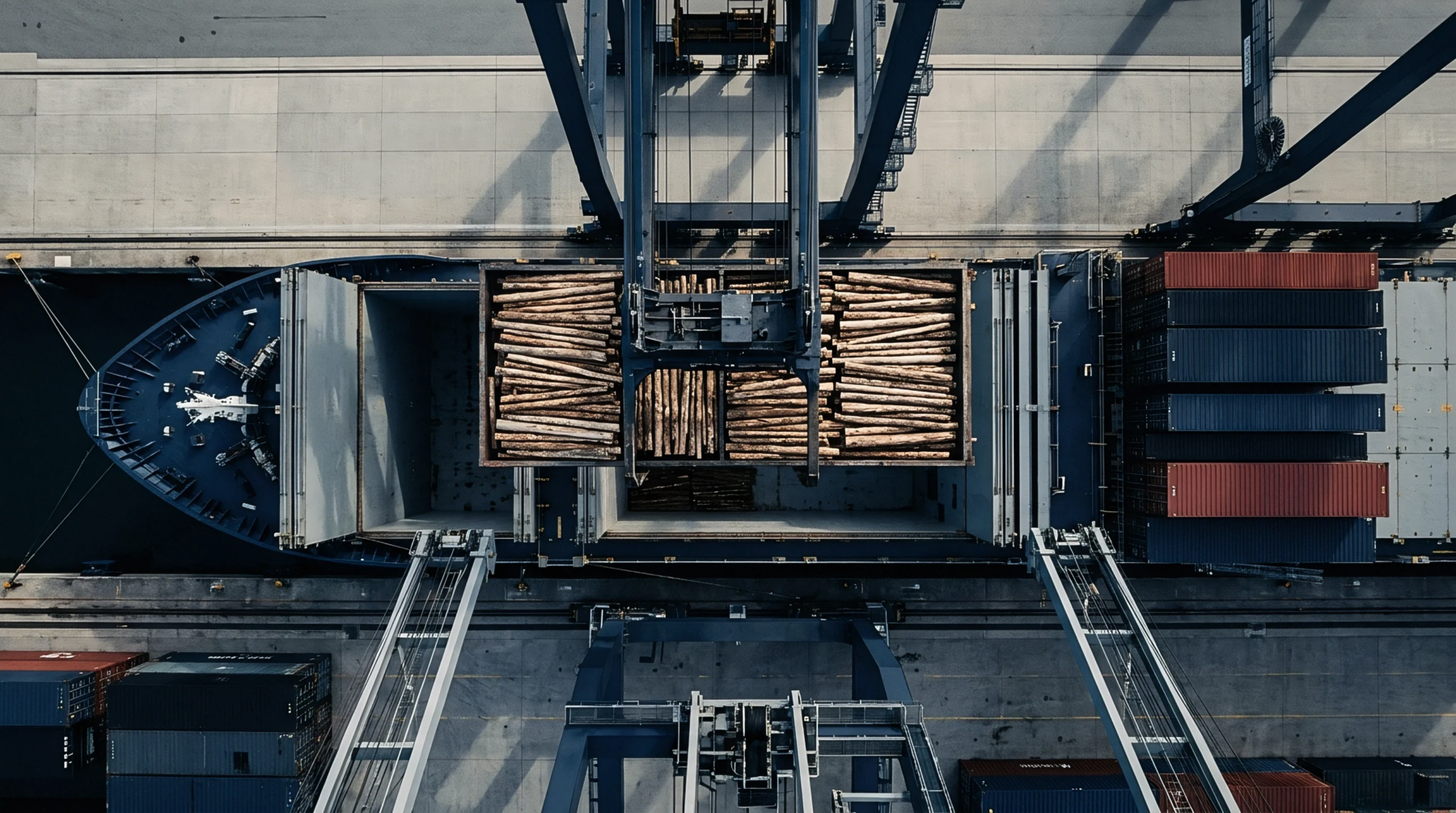
Front-loaded US imports and port backlogs push Shanghai to New York spot container rates to eighty-seven hundred dollars.

New US drone tariffs demand immediate supply chain origin audits to avoid 100 percent import duties by September.

Rising TTF benchmark futures signal increased input costs for manufacturers and energy-intensive procurement sectors.
Additional transit slots mean shorter waiting times and more predictable schedules for container shipments moving to the East Coast.

Sourcing teams must buy US-made battery salts as export limits retain black mass for domestic processing.
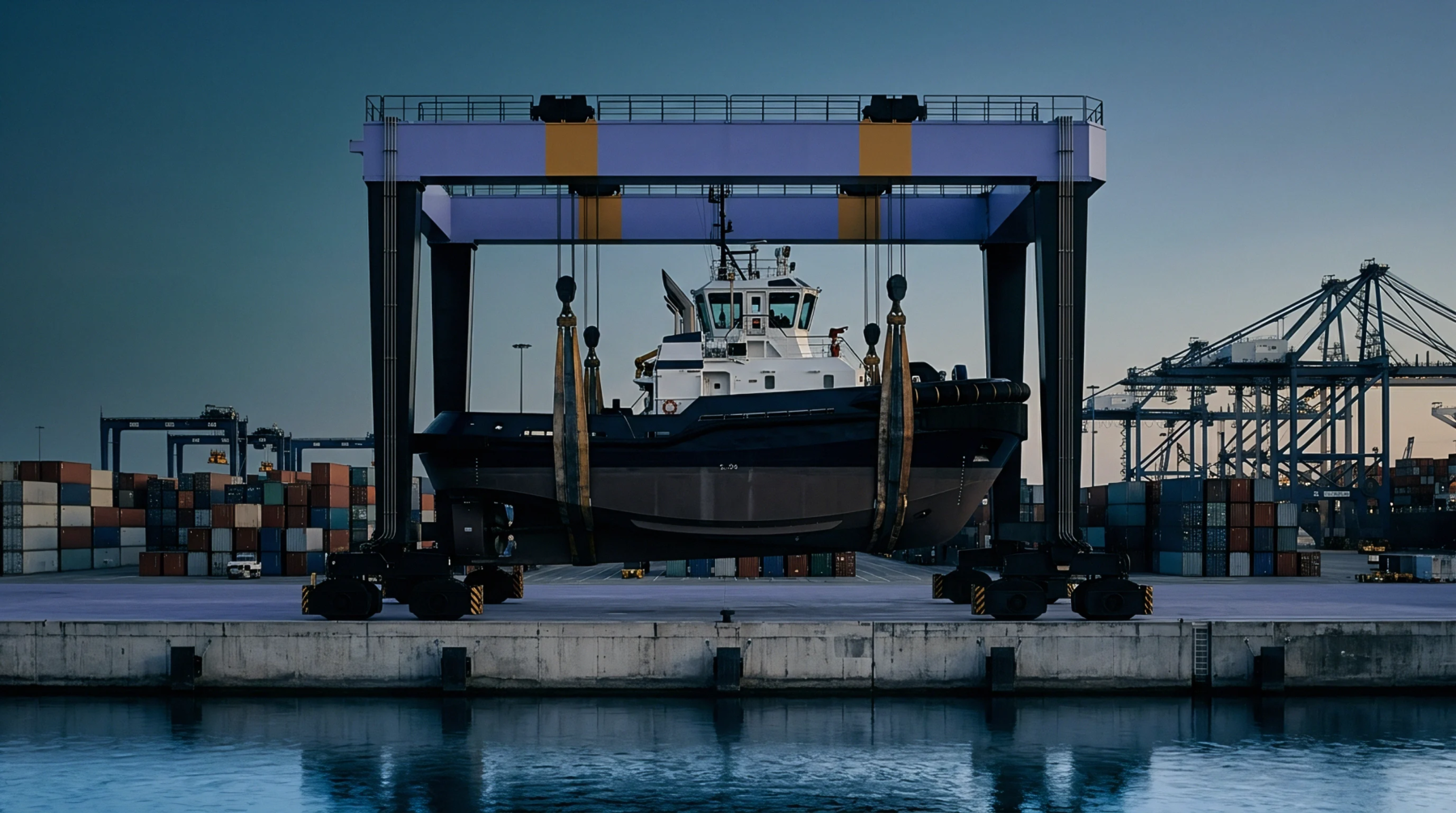
China typhoon disruptions push port congestion to historic highs, tightening transpacific space and supporting spot rates.
Mid-tier printed circuit board prices are rising as a major Middle East feedstock disruption triggers supplier allocations.

All imports under eight hundred dollars require formal or informal entry procedures and are subject to standard customs duties.

Buyers must account for higher prices in European renewable fuels as duties reach thirty six percent on Chinese imports.
September containerboard price hikes of up to $140 per ton will quickly translate into more expensive corrugated packaging.
Rerouting flights and reduced capacity push China-origin air cargo rates up to seventy-five percent higher on European routes.

Importers must transition to digital safety certificates to prevent customs holds and entry denials at United States ports

Buyers must secure certified polymer and textile supply chains before the October 31 ban on PIP 3-1 takes effect.

Tyson is shuttering regional beef plants, shifting production to central hubs and increasing procurement transport costs.

Buyers must adjust cross-border pricing models as new fifty percent duties on Canadian goods bypass free-trade agreements.

Sourcing teams for Southeast food and beverage brands must immediately reallocate glass bottle orders to alternative suppliers.
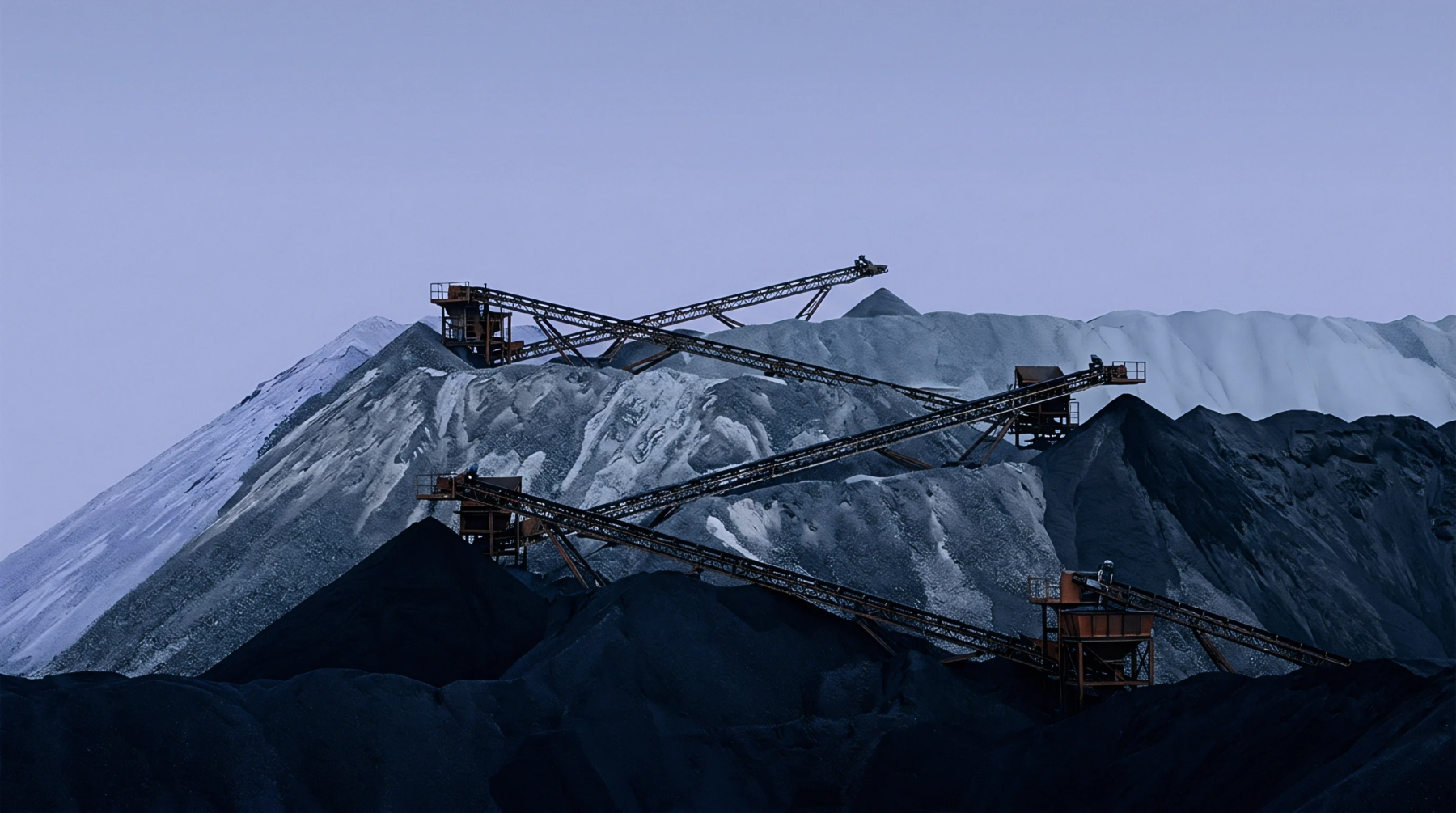
Global ore prices drop under 100 dollars signaling immediate pressure on steel suppliers to negotiate lower long-term rates.
Buyers must replace fluorine-treated packaging grease barriers to avoid customs rejections across European borders.
Stuck volume hits 4.3 million TEUs, causing vessel shortages and elevating transpacific ocean spot rates for autumn.

Maersk will impose a fifteen hundred dollar emergency surcharge on shipments from South Asia to South Africa.

Buyers face 47-year price highs due to low Vietnam output, requiring contract adjustments and shift to diversified blends.
Alert triggers block immediate inventory entry and require documented grounding tests for all electrical docking stations.
Selective carrier returns to the Suez Canal cut transit times by up to fourteen days on major East-West routes.
Spreading from spot surges, average long-term ocean contract rates from the Far East to the US have risen over forty percent.
Expertise is a utility, not a secret. sentiention™ publishes its working knowledge as open reference: intelligence layer covering the materials it sources, the markets it enters, and the reference that serves both.