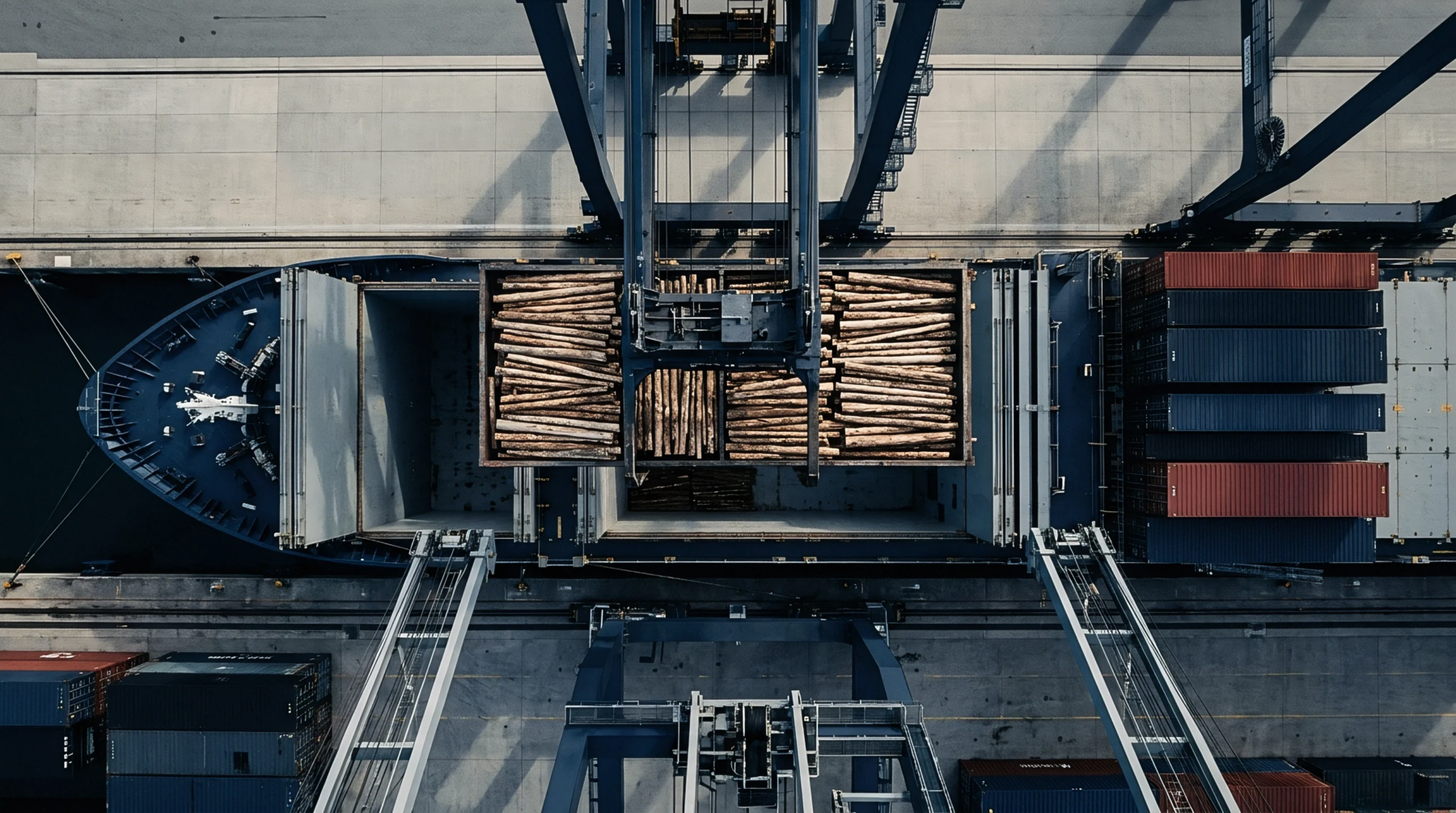
Carrier Capacity Rationing Drives South American Container Rate Surge
Selective capacity rationing has spiked Shanghai to Santos rates by over 50 percent, forcing buyers to secure contract space.
Selective capacity rationing has spiked Shanghai to Santos rates by over 50 percent, forcing buyers to secure contract space.

A steep drop in global schedule reliability to 56.4 percent forces procurement teams to build wider buffer times into order books.

A squeeze on Capesize vessels drives dry bulk rates to a two-year high, raising import costs for raw material buyers.

Manage Q4 parcel budgets by shifting volume to regional carriers before the new six percent postal surcharge starts in October.

Typhoon delays at Shanghai and Ningbo push berthing waits to ten days, trapping eleven percent of global vessel capacity.

Sourcing desks face clearance delays as the abolition of the 150-euro exemption demands full customs declarations.

Tightening draft limits and transit caps to thirty-two vessels daily will increase transit costs and push cargo to western ports.

Sourcing budgets must absorb higher domestic logistics costs as truckload rates climb to record highs.
Congestion absorbs 6.6 percent of global container fleets, shielding buyers from a sudden carrier oversupply shock.
Renewed Middle East hostilities force ocean carriers to levy emergency fuel surcharges, directly inflating freight invoice costs.

New Australian rules remove the Rolled Goods Policy and Safeguarding Arrangement, requiring strict offshore pest treatment.

A scheduled Arctic shipping lane cuts China to Europe transits to twenty days, providing a fast seasonal route for priority cargo.
DP World finalized a 50-year concession for east coast terminals, allowing buyers to bypass Strait of Hormuz transit risks.
Rates fall as carriers balance overcapacity with cooling demand before the annual contract season begins.

Water limits at the Panama Canal will restrict Neopanamax vessel payloads and reduce available slot capacity in September.

A wide coast-to-coast ocean rate spread offers major savings for buyers shifting cargo overland from the West Coast.

Procurement teams are accelerating truckload contract RFQs to lock in stable rates before autumn capacity constraints tighten.

Importers face higher costs and delays as carriers cancel transpacific sailings to manage capacity.
Importers of Indian and Middle Eastern cargo must calculate freight budgets based on gate-in times rather than booking dates.
Panama Canal draft cuts and Asian port delays push the Platts Container Index to a 2026 high of 7,565 dollars per FEU.
Persistent yard bottlenecks in Singapore delay cargo transfers and add costs to indirect Asia-Europe shipments.

Six months of the Hormuz deadlock leaves four hundred ships stranded, sustaining elevated cargo costs and supply risks.
Routing cargo through the US West Coast saves three thousand dollars per container compared to East Coast ports.

Spot rates are returning to early summer levels as surplus capacity on Europe to North America routes benefits current buyers.
A severe inland earthquake in Colombia bottlenecks Buenaventura, forcing cargo rerouting to alternate regional gateways.
Clearing the yard congestion at Chittagong increases export lead times for global apparel procurement and sourcing teams.
Consolidating container flows to existing berths raises local terminal utilization during peak shipping weeks.

Persistent vessel berthing delays in Colombo increase transit times and trigger new carrier surcharges for regional cargo moves.

Importers face 50 percent duties on certain Canadian goods, while US exports encounter dollar-for-dollar retaliatory tariffs.
Low Amazon River levels force carriers to apply surcharges of up to $1,900, raising landed costs for Manaus shipments.
Expertise is a utility, not a secret. sentiention™ publishes its working knowledge as open reference: intelligence layer covering the materials it sources, the markets it enters, and the reference that serves both.