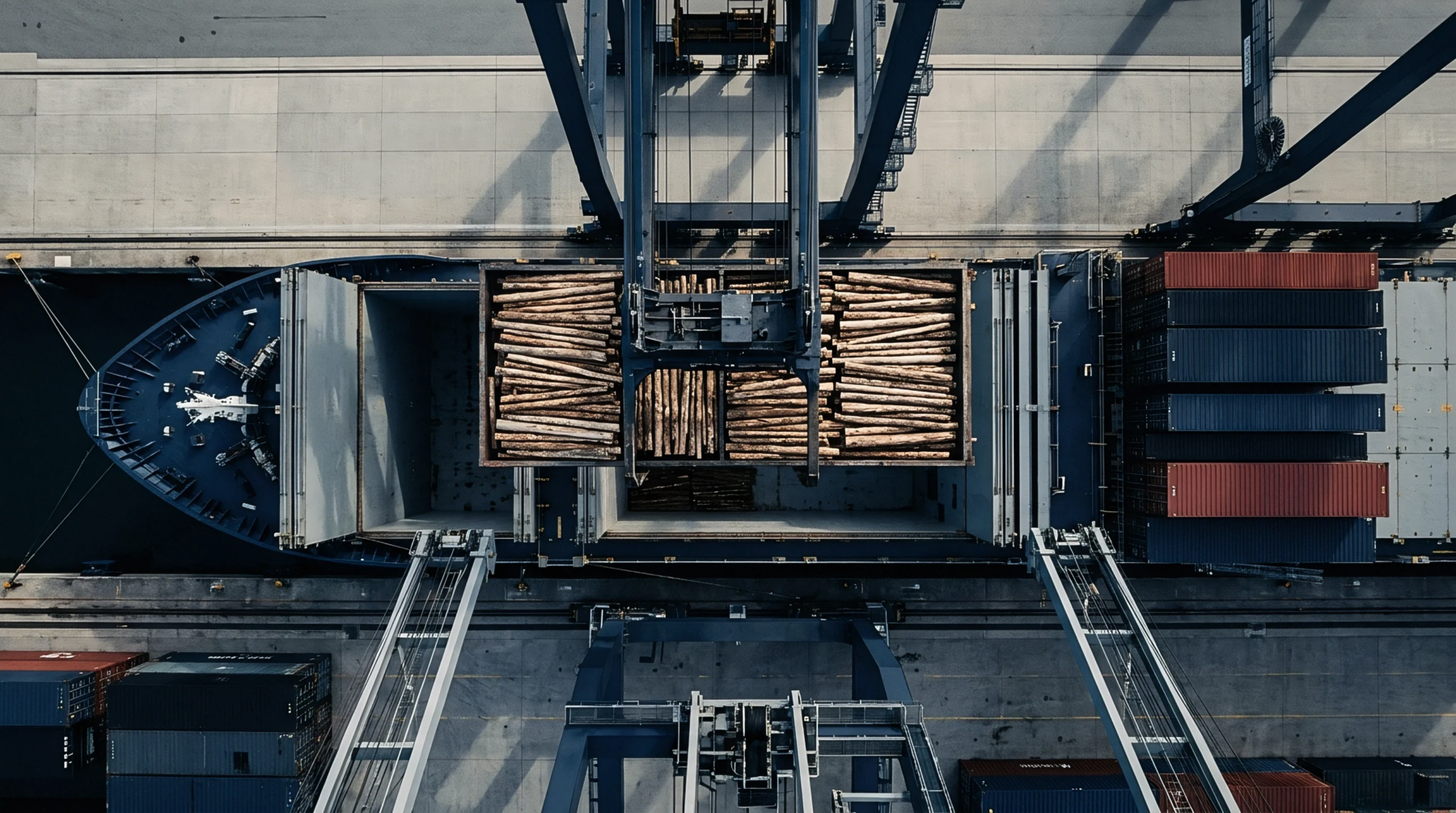
US East Coast Container Rates Approach Nine Thousand Dollars Squeezing Spot Buyers
Front-loaded US imports and port backlogs push Shanghai to New York spot container rates to eighty-seven hundred dollars.
Front-loaded US imports and port backlogs push Shanghai to New York spot container rates to eighty-seven hundred dollars.
Additional transit slots mean shorter waiting times and more predictable schedules for container shipments moving to the East Coast.
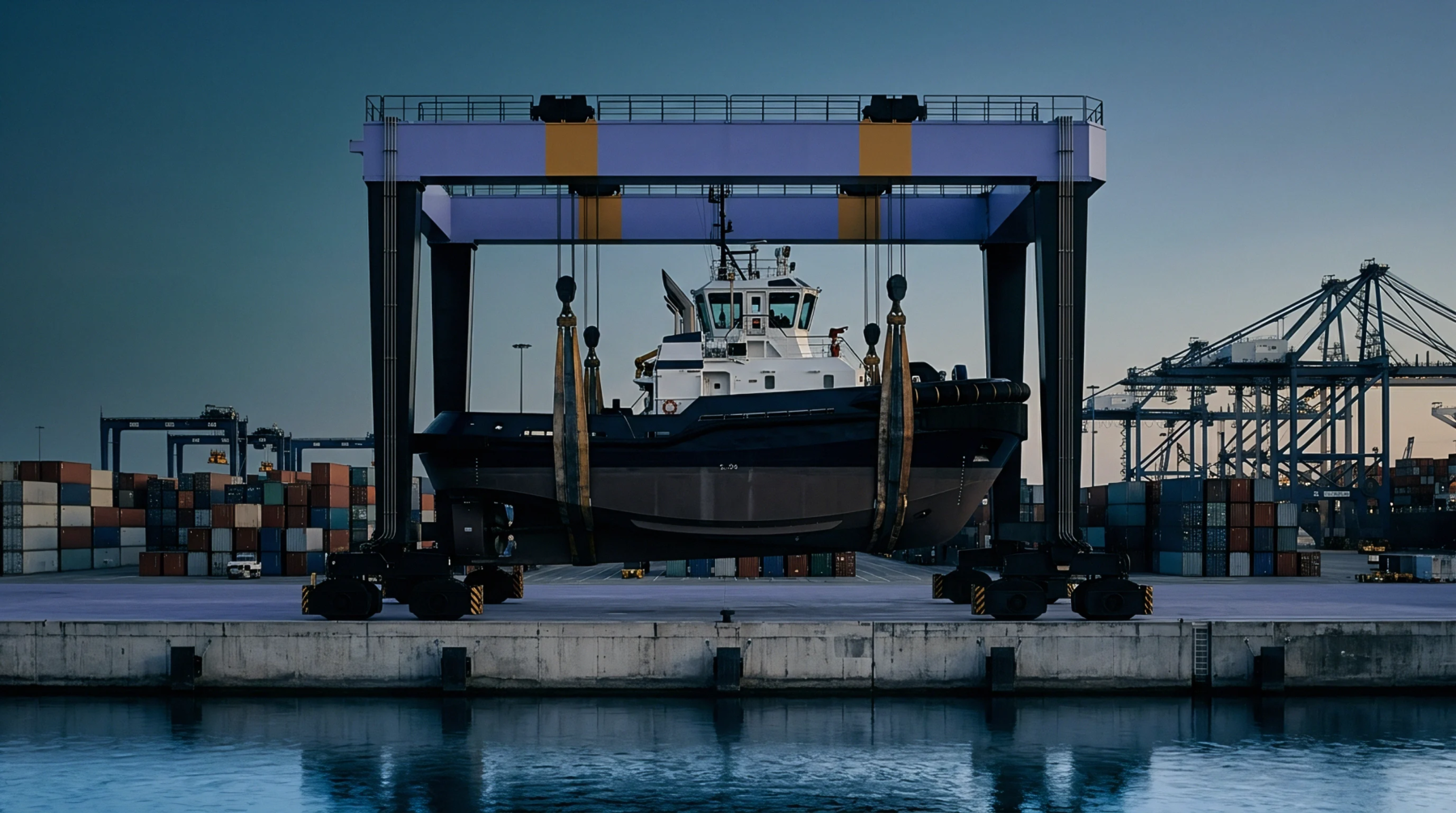
China typhoon disruptions push port congestion to historic highs, tightening transpacific space and supporting spot rates.
Rerouting flights and reduced capacity push China-origin air cargo rates up to seventy-five percent higher on European routes.
Stuck volume hits 4.3 million TEUs, causing vessel shortages and elevating transpacific ocean spot rates for autumn.

Maersk will impose a fifteen hundred dollar emergency surcharge on shipments from South Asia to South Africa.

Selective carrier returns to the Suez Canal cut transit times by up to fourteen days on major East-West routes.
Spreading from spot surges, average long-term ocean contract rates from the Far East to the US have risen over forty percent.

Daily transits will fall to 32 by mid-September, raising surcharges and delay risk for eastbound cargo.

Priority buyers face increased invoice lines for air cargo as sea diversions force emergency shift to tarmac logistics.
Delays at major global ports tie up record shipping volume, reducing available ship space and driving up ocean spot rates.

Sourcing teams must plan for a massive expansion in ocean vessel capacity that will eventually drive down long-term rates.
Air spot rates from China to Europe fell 22 percent after the removal of the duty-free import threshold.

Slowing consumer demand triggers surcharge cancellations on routes from Asia to Europe, lowering landed container prices.

Spot container prices drop across major routes as vessel supply stabilizes and front loaded cargo volumes dissipate.
Vessel delays in Northern Europe eat transatlantic shipping capacity and force buyers to adjust lead times
Restricted Panama Canal transits trigger carrier surcharges and longer delays on US East Coast routes.
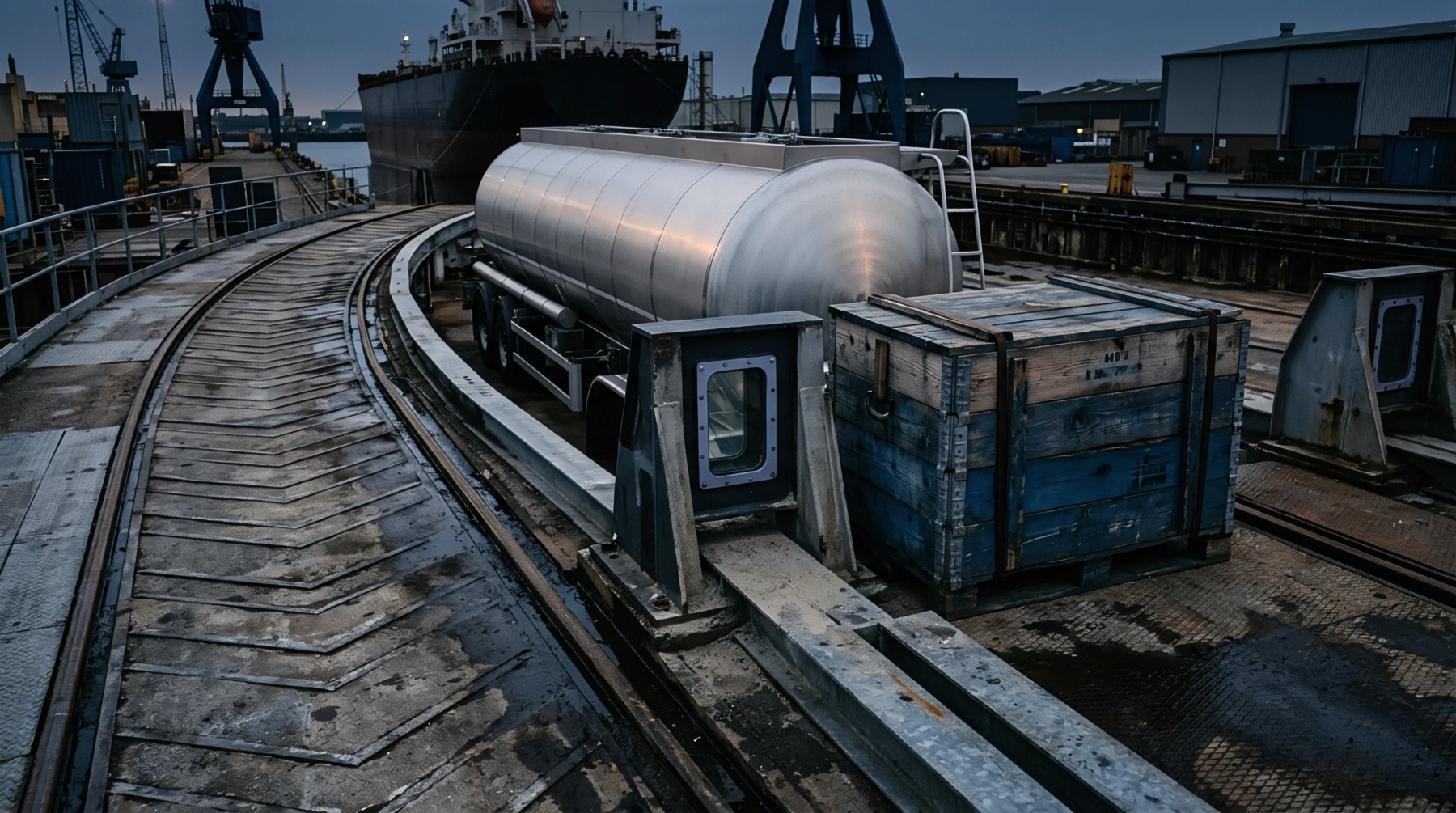
Record delays tie up 4.3 million TEUs of shipping capacity, raising contract and spot rates for global buyers.
MSC's return to the Suez Canal on four major routes will release eight vessels, easing the global container shortage.
Long-term air cargo contract rates are projected to rise up to fifteen percent as airspace closures reduce capacity [1.7, 1.12].
Indian sourcing remains stable after a last minute wage agreement removes the threat of an indefinite nationwide port strike.

Shippers can expect lower air freight rates in the fourth quarter as peak season charter bookings remain historically low.

Rising port congestion locks up vessel capacity as terminals prioritize cost over resilience, driving transit delays higher.
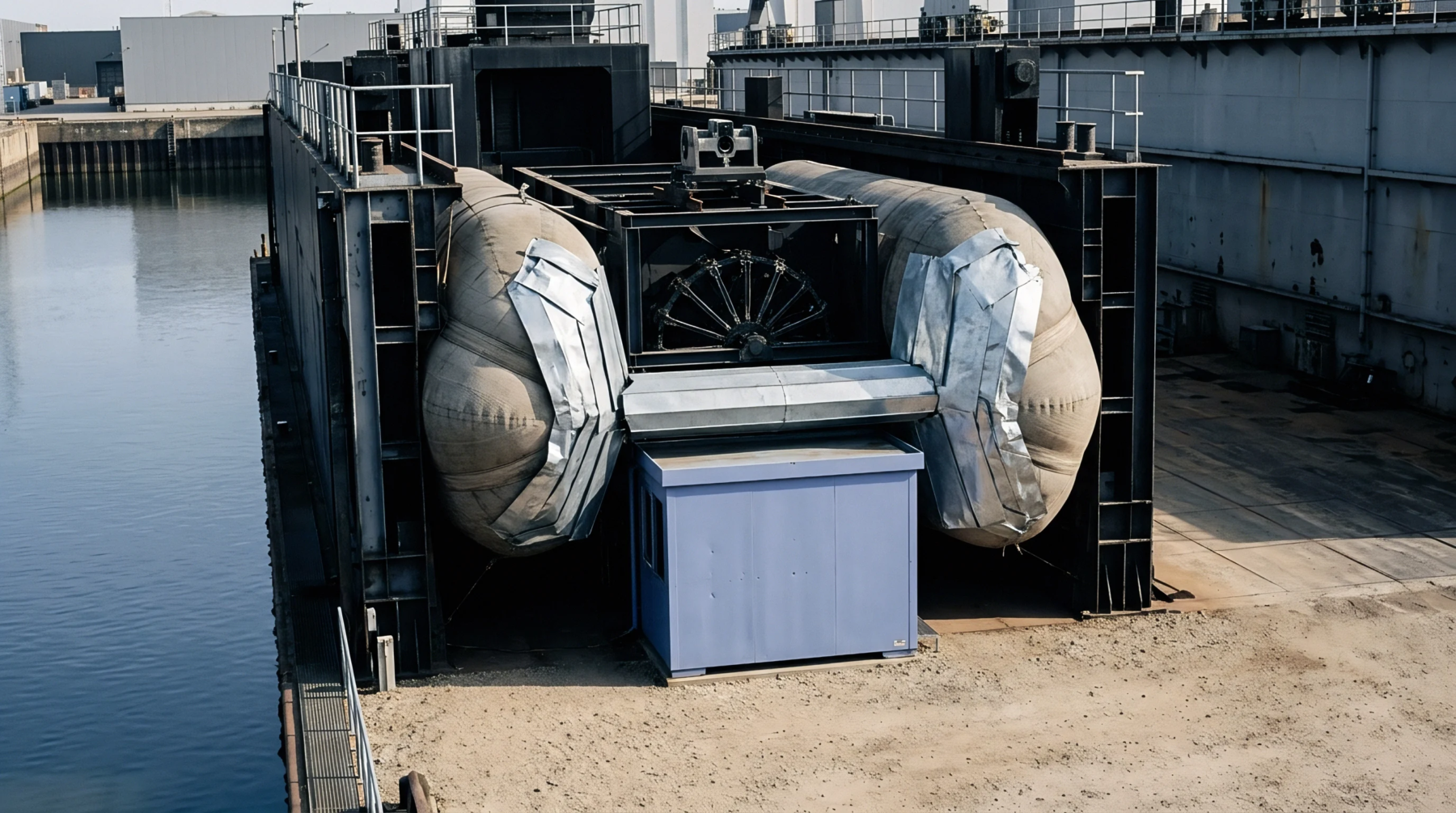
Record vessel delays lock up over twelve percent of global fleet capacity, driving spot ocean freight rate risks higher.

Carriers plan blank sailings to stabilize rates ahead of October shutdowns reducing vessel availability for buyers.

Expect delayed shipments and high spot freight rates as severe port delays lock up twelve percent of global vessel capacity.
Mediterranean port surcharges are rising as carrier logic shifts toward smaller hub distributions to bypass regional congestion.
Sourcing desks face rising transatlantic freight costs as carriers introduce peak season surcharges despite declining volumes.
Panama Canal transit cuts to thirty-two daily slots in September will raise import surcharges and extend transit times.

Buyers face imminent surcharges and rerouting delays as port worker contract negotiations stall ahead of October 1.
Expertise is a utility, not a secret. sentiention™ publishes its working knowledge as open reference: intelligence layer covering the materials it sources, the markets it enters, and the reference that serves both.