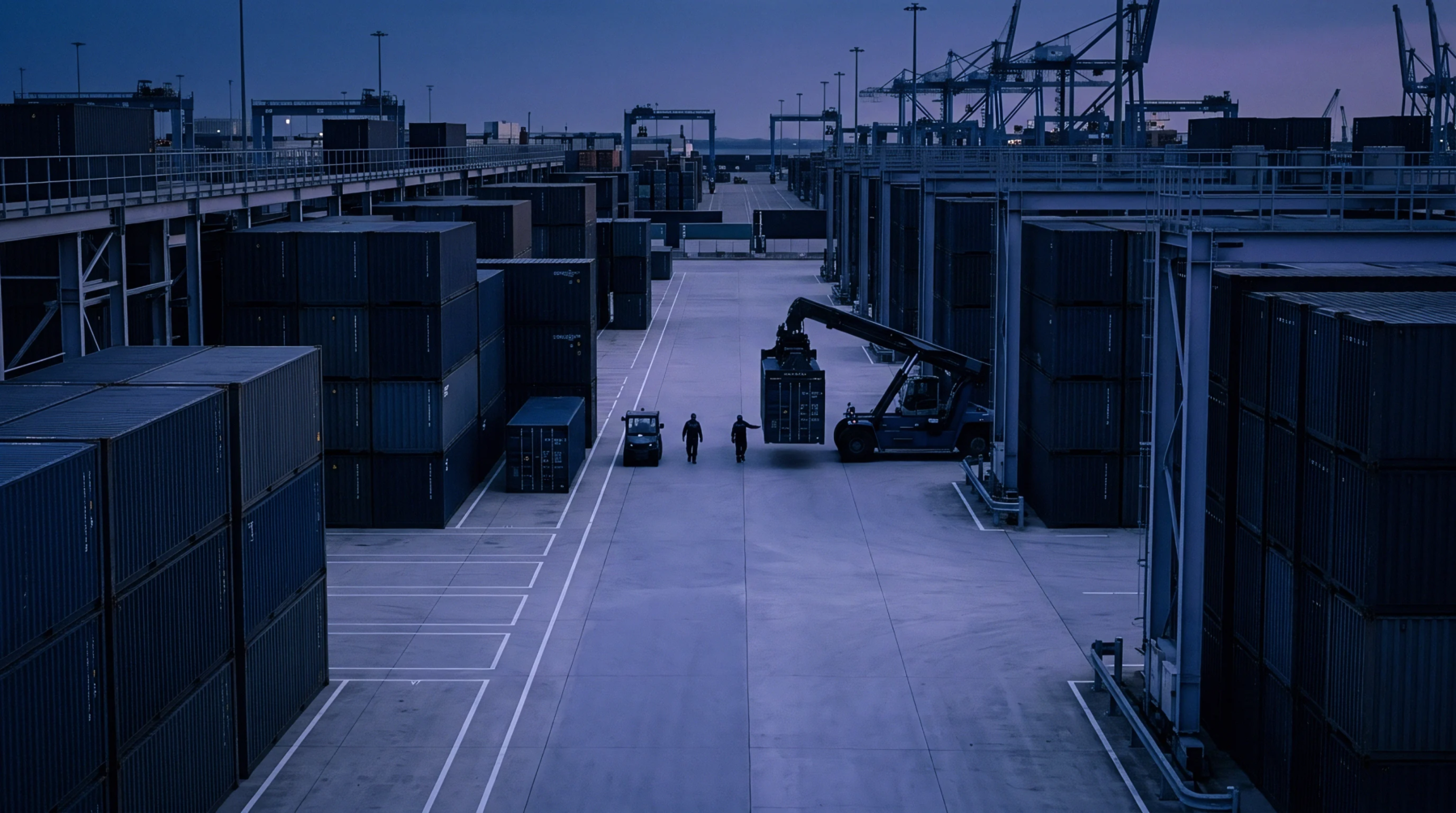
Record Vessel Delays Absorb Five Percent of Global Container Fleet Capacity
Systemic vessel delays remove 1.7 million TEU from active trade, effectively shrinking global ocean capacity for buyers.
Systemic vessel delays remove 1.7 million TEU from active trade, effectively shrinking global ocean capacity for buyers.
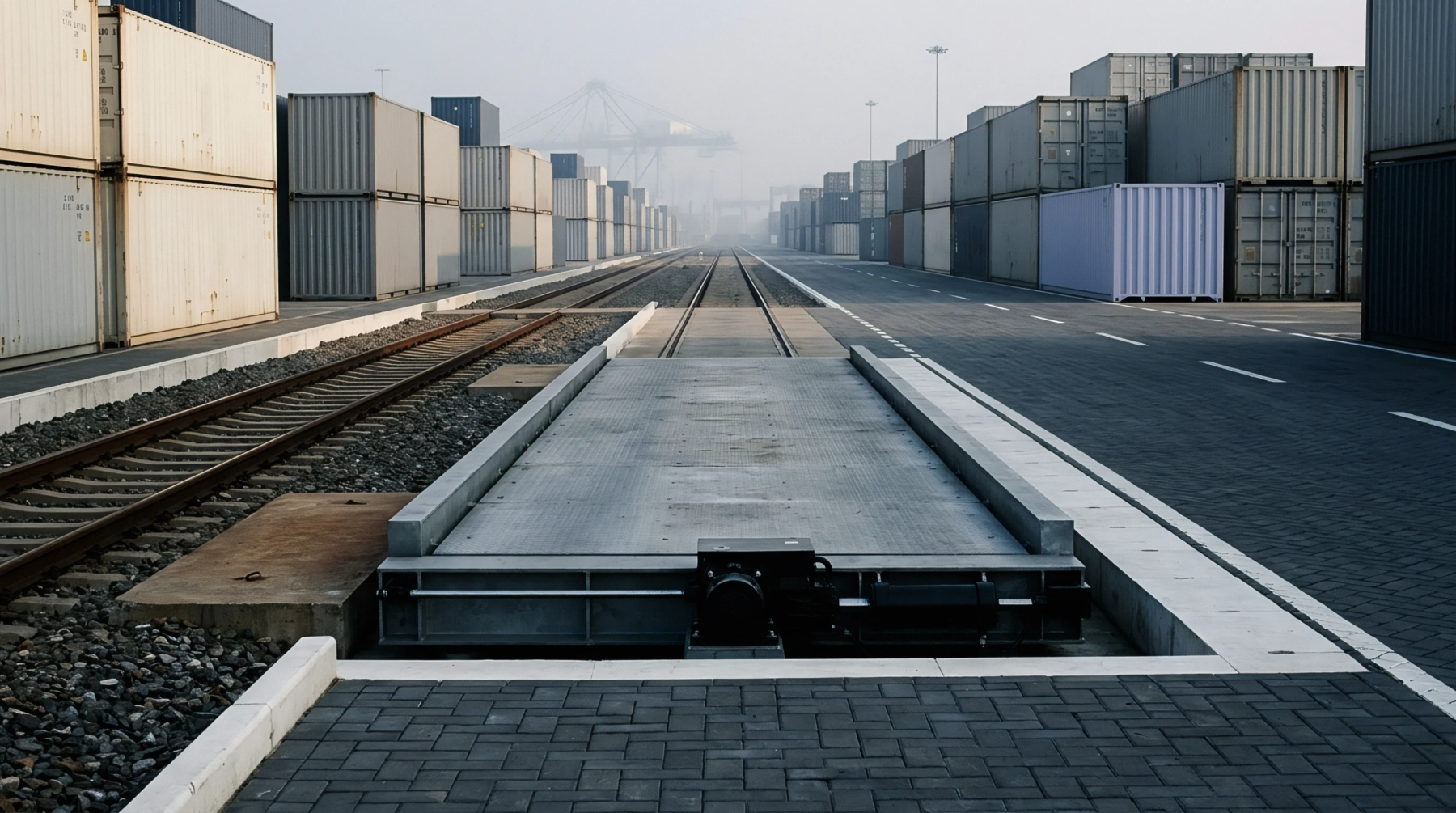
European rail upgrades create a fifteen percent capacity increase for cargo bypassing traditional sea routes from Central Asia.

Ocean spot rates fell ten percent this week as capacity increases and immediate front-loading demand settles for US buyers.

Surcharges and base rates will lock on the gate-in date, protecting export buyers from vessel departure delay costs.
Ukraine drone strikes on commercial ships force MSC to freeze Novorossiysk cargo bookings and divert food and medicine routes
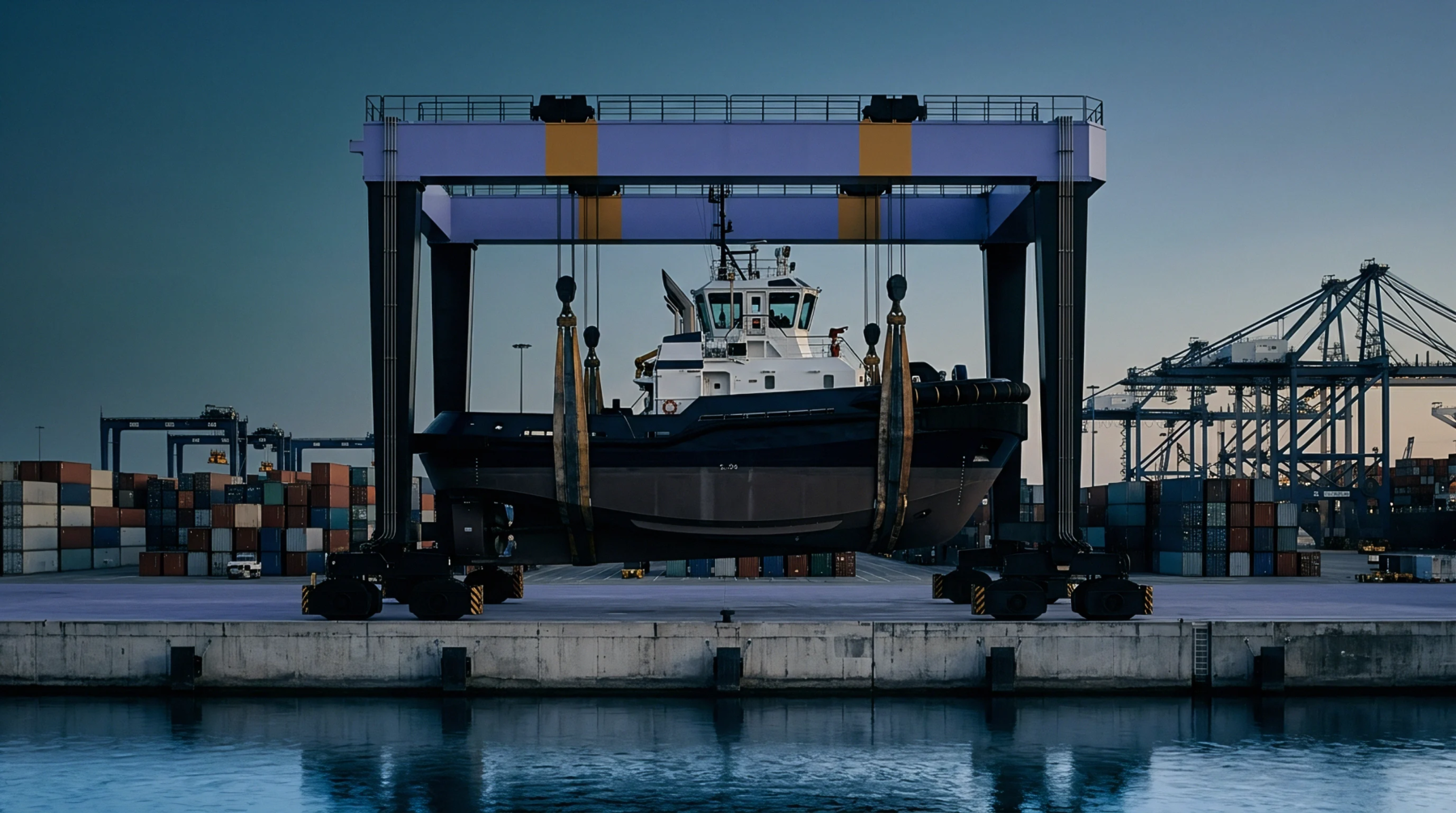
Chassis shortages and record import volumes at West Coast docks extend turn times and increase local trucking costs for buyers.

Low St. Lawrence River water levels trigger new vessel surcharges for European cargo moving to the Port of Montreal.
A planned September fourth work stoppage in Dutch ports will suspend vessel handling and trigger regional cargo delays.
Importers must plan for longer lead times as a surge in empty return moves degrades terminal efficiency across Europe.
A major software cutover at Durban Gateway Terminal has triggered a 26 percent throughput drop and 12-day vessel delays.
Shippers face contract price increases up to 15 percent as airline route closures reduce global belly capacity.

Buyers face immediate invoicing increases of up to 150 dollars per container as fuel surcharges spread across global routes.

Iran and Oman agree on a temporary Hormuz shipping corridor to resume commercial cargo transits and reduce delays.
Prolonged berth queues reduce vessel productivity, forcing buyers to extend order lead times as carriers manage tight capacity.

Panama Canal transit caps and draft limits will force longer lead times and higher shipping surcharges for East Coast buyers.

Dubai's Jebel Ali port fell to 32nd in global container rankings, forcing buyers to use costly overland and feeder corridors.

Falling spot rates and absent peak-season charter interest signal a shifting market that offers buyers room to renegotiate.

Buyers face increased lead times as carriers divert ships from Indian terminals toward high-revenue East-West trade routes.
Imminent rail shutdowns in Canada force container diversions and increase dwell times at major North American entry points.
DP World's new Express LCL service cuts door-to-door transits to under 24 days, allowing buyers to bypass expensive air cargo.

Buyers should plan for two-week delivery buffers as German dock strikes trigger container backlogs at Northern European hubs.
High terminal utilization means single-day port delays now require a week of recovery, extending buyer transit windows.

Rapid volume growth at Lazaro Cardenas stretches landside capacity and increases lead times for North American transshipment.
Airlines rerouting around contested airspace will drive long-term air cargo contract rates up by fifteen percent.

Sourcing desks must audit Form 5106 filings before September 18 to prevent U.S. Customs from voiding importer identification.
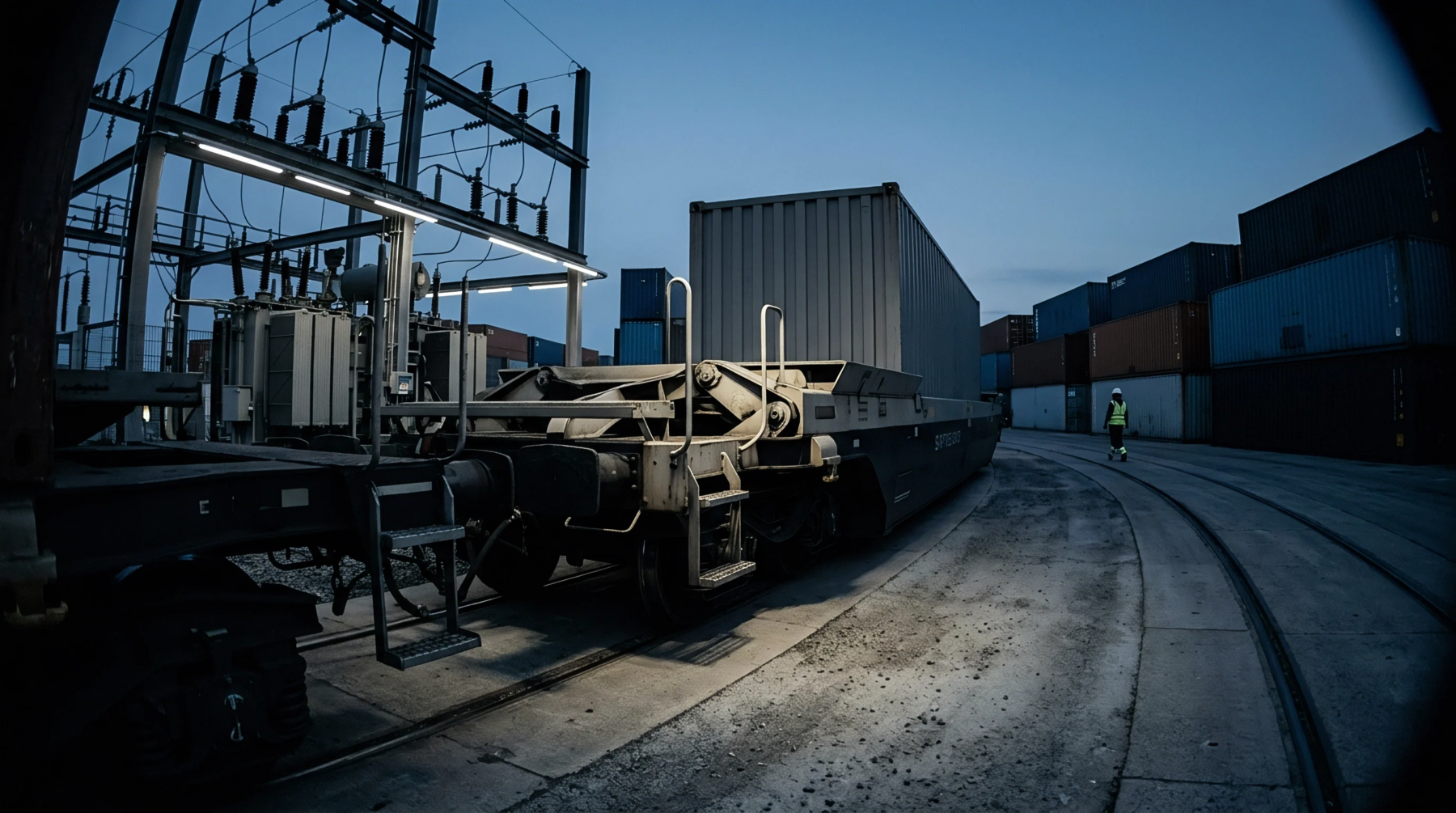
Stranded capacity exceeds previous pandemic peaks causing vessel shortages and upward pressure on container spot rates.

Middle East airspace shocks force a reversal in air cargo contract forecasts, driving buyer rates up to fifteen percent higher.

Shippers face increased freight charges as shipowners face a choice between Iranian cargo seizure and US sanctions exposure.
New Section 301 tariffs of 12.5 percent replace global surcharges as pre-deadline cargo frontloading triggers lower spot rates.

Sea-Intelligence reports carriers blanked up to fourteen percent of capacity, turning blank sailings into a permanent control tool.
Expertise is a utility, not a secret. sentiention™ publishes its working knowledge as open reference: intelligence layer covering the materials it sources, the markets it enters, and the reference that serves both.